















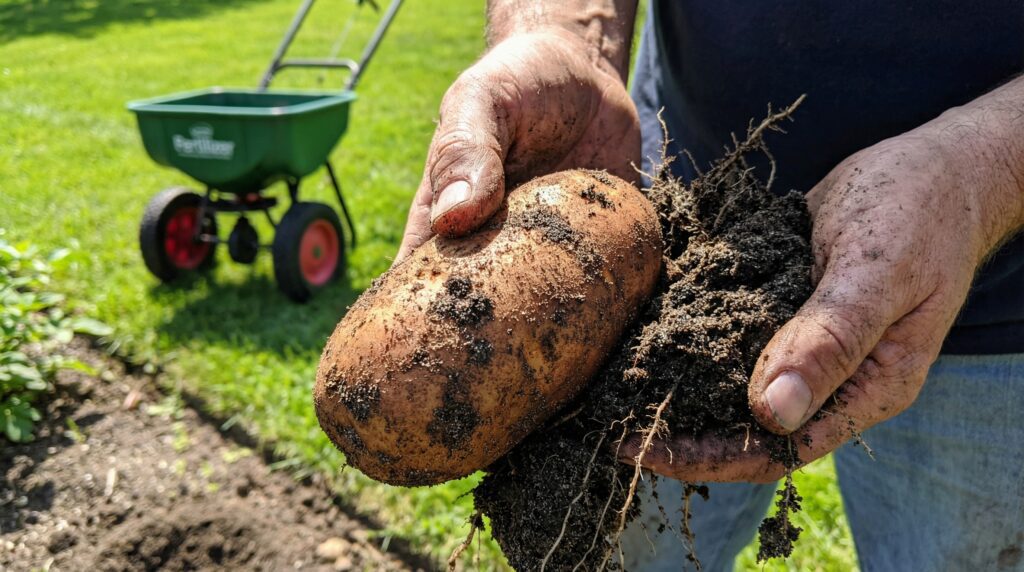
For years, I struggled with growing root vegetables. My potato plants looked impressive from a distance, appearing as tall, lush green tops waving in the breeze, but when harvest time came, the results were embarrassing. Tiny tubers, some no bigger than marbles, and many plants produced almost nothing underground. At the same time, my lawn turned brown and patchy every winter, no matter how much I watered or fed it in spring.
I thought I was doing everything right with a standard all-purpose fertilizer until an old farmer neighbor watched me work one afternoon and shook his head.
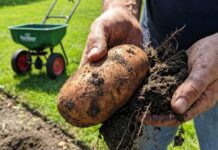
“You’re feeding the leaves, not the roots or the resilience,” he said. He handed me a bag of 10 10 20 fertiliser and told me to switch my entire feeding program. That extra potassium changed everything. My next potato harvest filled two full wheelbarrows with large, uniform tubers, and my lawn stayed green and strong through the coldest months I had ever seen. I am writing this guide from real backyard experience, so other homeowners and gardeners can stop guessing and start using the right ratio at the right time.
The Big Green Lie (Why My Potatoes Failed)
The gardening world is full of marketing that pushes high-nitrogen fertilisers because they create fast, visible green growth. That is the “big green lie.” My potato plants looked fantastic above ground because I was giving them plenty of nitrogen, but underground, the story was different. Without enough potassium, the tubers stayed small, the roots were weak, and the plants had no defense against disease or cold.
The same thing happened with my lawn. Spring applications of 20-10-10 fertilizer pushed rapid top growth, but by November the grass had no stored energy in the roots and died back hard when freezing weather hit. The old farmer’s advice was simple: stop chasing green tops and start feeding for roots, fruit, and winter hardiness. That is exactly what 10 10 20 fertiliser does.
What is 10 10 20 Fertiliser? (The N-P-K Ratio Explained)
If you are wondering what is 10 10 20 fertiliser, the NPK numbers on a bag tell you the percentage by weight of the three macronutrients: Nitrogen (N), Phosphorus (P), and Potassium (K). A 10-10-20 blend contains 10% nitrogen, 10% phosphorus, and 20% potassium.
- Nitrogen (10%): Promotes leafy green growth and healthy foliage.
- Phosphorus (10%): Supports strong root development and early establishment.
- Potassium (20%): The star here — it strengthens cell walls, improves disease resistance, helps plants handle drought and cold, and dramatically increases the size and quality of roots, tubers, and fruit.
The Big Mix-Up: 10-10-20 vs. 20-10-10 Fertiliser
This is the mistake I made for years and the one I see most often in garden centres. A 20 10 10 fertiliser is a spring and early-summer product. The double dose of nitrogen pushes fast top growth and gives you that deep-green lawn look quickly. But that same high nitrogen can make plants soft, disease-prone, and poor at storing energy for winter or bulking roots.
10 10 20 fertilizer flips the script. The lower nitrogen prevents excessive leafy growth while the doubled potassium strengthens roots, improves drought tolerance, and helps plants store carbohydrates for cold weather survival. Use 20-10-10 in March–May for explosive spring growth. Switch to 10-10-20 from late summer through early fall for root development and winter hardiness.
The 3 Best Ways to Use 10-10-20 Fertilizer
1. Root Vegetables (Potatoes, Carrots, Onions, Beets)
These crops are potassium hogs. The extra K in 10-10-20 fertiliser bulks up tubers and roots dramatically. I side-dress my potato rows with a light application once the plants are 6 inches tall and again when they start flowering. The difference in tuber size and number is astonishing. However, they absolutely need a well-draining sandy loam soil to expand — heavy clay will still limit even the best fertiliser.
2. Winterizing Lawns
Apply 10-10-20 in late summer to early fall (August–September in most climates). The high potassium acts like “antifreeze” for grass roots, helping the lawn store energy and resist freezing damage. My lawn now stays green longer into winter and greens up faster in spring.
3. Wildlife Food Plots
Hunters and wildlife enthusiasts love 10-10-20 for deer, turkey, and small-game plots. The balanced ratio produces strong, nutritious forage that survives drought and cold snaps better than high-nitrogen blends.
How to Apply Granular 10-10-20 Correctly
- Test your soil first: Potassium levels and pH matter. Don’t guess, test!
- Choose the right tool: Use a broadcast spreader for lawns, or hand-spread/use a small row spreader for garden beds.
- Apply at the correct rate: Most 10-10-20 products recommend 4–6 lbs per 1,000 sq ft for lawns and 1–2 lbs per 100 sq ft for vegetable rows. Water thoroughly after application so the nutrients move into the root zone.
- Timing is everything: Apply in early spring for root crops and late summer/early fall for lawns and winter hardiness. Never apply when the ground is frozen or plants are dormant.
Frequently Asked Questions
What is 10 10 20 fertiliser used for?
It is a high-potassium blend used primarily for bulking up root crops like potatoes, winterizing lawns, and strengthening plants against disease, drought, and cold.
Is 10-10-20 fertilizer good for grass?
Yes, specifically in late summer and early fall. The high potassium helps grass roots store energy and resist freezing winter temperatures while the balanced nitrogen prevents excessive soft growth.
Where can I find 10 10 20 fertiliser for sale without overpaying?
With recent global supply chain disruptions causing fertilizer prices to spike, finding affordable 10 10 20 fertiliser is harder than ever. Avoid buying massive bulk bags right now if you only have a backyard garden. Your best bet is to look for smaller, specialized 10-10-20 blends on online retailers (like Amazon) or check local farm supply stores that still carry last year’s inventory before the price hikes.
Final Thoughts from My Own Garden and Lawn
Switching to 10 10 20 fertilizer was one of the simplest changes I made that delivered the biggest results. My potatoes went from disappointing marbles to dinner-plate-sized tubers, and my lawn now survives the harshest winters with almost no brown patches. The secret was never more nitrogen — it was the right balance with higher potassium.
If your root crops are all leaves and no harvest, or your lawn struggles every winter, stop guessing and try a 10-10-20 ratio this season. Your garden and your wallet will thank you.
Want More Home & Garden Hacks? 🌿
Join our growing community of DIYers and homeowners. Get our smartest blueprints, tool reviews, and money-saving tips delivered straight to your inbox.
100% Free. No spam. Unsubscribe anytime.