
















I have always loved fresh citrus, especially the sweet-tart burst of a Ruby Red grapefruit on a summer morning. For years, I assumed you had to live in Florida or California to grow your own. Then one evening, after eating a particularly delicious store-bought grapefruit, I decided to save a few seeds just for fun. I never expected that tiny seed to become a beautiful, fruit-bearing grapefruit tree on my patio today.
The journey taught me the importance of soil, thorns, patience, and the significant difference between growing from seed and purchasing a grafted tree. I am writing this guide to help other home gardeners who dream of picking their own grapefruit but think it’s impossible where they live.
Whether you have a sunny backyard or a bright windowsill, you can learn how to grow a grapefruit tree. I’ll walk you through every step I took, the mistakes I made, and the exact methods that turned a kitchen experiment into a productive patio tree.
The Joy of Growing Your Own Citrus
There is something magical about harvesting fruit from a tree you raised yourself. If you are wondering, do grapefruits grow on trees — yes, they are evergreen citrus trees that can reach 20–30 feet in the wild. However, dwarf varieties and container growing make them perfectly manageable for homeowners.
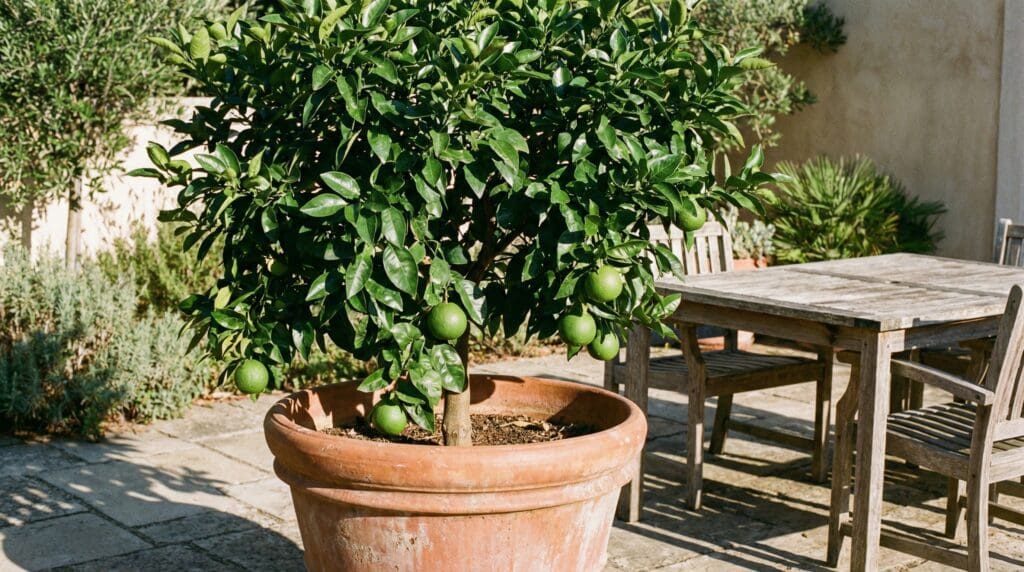
My tree started as a single seed in a yogurt cup on the kitchen windowsill. Three years later, it is 4 feet tall, covered in glossy dark-green leaves, and produced its first small crop last season. Growing your citrus gives you control over variety, freshness, and organic practices. Store-bought fruit is often picked green and treated with chemicals. Home-grown grapefruit is tree-ripened, sweeter, and picked at peak flavor. Plus, the fragrant blossoms in spring are worth the effort alone.
Do Grapefruit Trees Have Thorns? (A Prickly Surprise)
One of the most common questions I get is: Do grapefruit trees have thorns?” Yes, almost all grapefruit trees have thorns, especially when they are young and actively growing.
The thorns are flexible but sharp, designed by nature to protect the tender new growth from animals. Seed-grown trees tend to be thornier than grafted ones, and the thorns are most noticeable on the vigorous shoots in spring and summer. I learned this the hard way when pruning my young tree without gloves — I ended up with several painful punctures. Always wear thick gloves when handling grapefruit trees, especially during pruning or transplanting.
How to Grow a Grapefruit Tree from Seed (The DIY Method)
Learning how to grow a grapefruit tree from seed is one of the most rewarding (and cheapest) ways to start. Here is exactly how I did it:
- Choose a fresh, ripe grapefruit—Ruby Red or Pink varieties work especially well.
- Rinse the seeds under cool water, then gently remove the slippery outer coating.
- Wrap the clean, moist seeds in a damp paper towel, place them in a zip-top bag, and keep the bag in a warm spot (70–80°F).
- Check daily — most seeds sprout in 2–4 weeks. Once you see a small white root, it is time to plant.
- Plant the sprouted seed in a small 4-inch pot filled with well-draining potting mix. Keep the soil moist but never soggy.
Seed-grown trees are fun science projects, but they can take 8–15 years to produce fruit and may not be true to the parent variety. Still, the process of watching a tiny seed become a tree is addictive, and many gardeners keep a few seedlings as backups or gifts.
Seed vs. Grafted Trees (Which Should You Choose?)
This is the most important decision you will make.
- Seed-grown trees are inexpensive and fun, but they are unpredictable. Fruit quality varies, and you may wait a decade for the first harvest. They are also more thorny and vigorous.
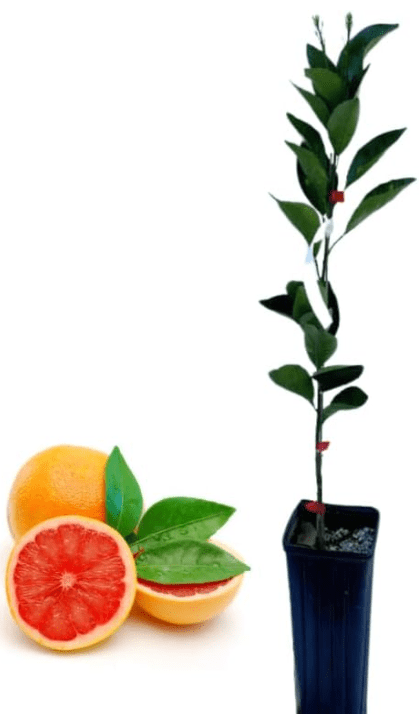
- Grafted trees are the smart choice for most homeowners. A nursery grafts a proven fruiting variety onto a strong rootstock. You get fruit in 1–3 years, the tree stays more compact (especially dwarf rootstocks), and the fruit is true to type.
If you want fruit soon, buy a grafted tree. I keep one grafted Ruby Red on the patio and a few seed-grown experiments for fun.
How to Grow a Grapefruit Tree (Sun, Soil, and Water)
Citrus trees are surprisingly forgiving once you meet their basic needs.
Sunlight
Grapefruit trees need 8+ hours of direct sunlight daily. In colder climates or apartments, supplement with a strong LED grow light during winter. My patio tree gets full southern sun and rewards me with heavy crops.

Soil (Crucial Step!)
This is critical. Grapefruit trees absolutely hate wet feet. I plant mine in a high-quality sandy loam soil mix to ensure perfect drainage. Heavy clay or regular potting soil that stays soggy will cause root rot and yellow leaves. Sandy loam holds nutrients well while allowing excess water to drain quickly.
Fertilizer
Citrus are heavy feeders. I use a dedicated citrus fertilizer high in nitrogen during the growing season and switch to a bloom-booster formula in early spring. Feed every 4–6 weeks from March through September. Stop fertilizing in late fall so the tree can rest.

Water
Water deeply but infrequently. Let the top 2 inches of soil dry out between waterings. Overwatering is the fastest way to kill a young grapefruit tree.
Frequently Asked Questions
How long does it take for a grapefruit tree to bear fruit?
A grafted tree takes 1 to 3 years to produce fruit. A tree grown from seed can take 10 to 15 years — and may never produce good fruit.
Can you grow a grapefruit tree indoors?
Yes, dwarf varieties do very well in large indoor containers, provided they get at least 8 hours of direct sunlight or a good LED grow light.
Do grapefruit trees have thorns?
Yes, almost all grapefruit trees have thorns, particularly when they are young and actively growing. Wear thick gloves when pruning or handling them.
Final Thoughts from My Own Patio
Growing my own grapefruit tree from a single seed has been one of the most rewarding gardening experiences I have ever had. The tree now gives me beautiful fruit, fragrant blossoms in spring, and a constant reminder that with the right care even a city patio can become a mini orchard.
Whether you start from seed for the fun of it or buy a grafted tree for quicker results, a grapefruit tree is a wonderful addition to any home. Give it full sun, well-draining sandy loam soil, and consistent feeding, and it will reward you for years.
Want More Backyard Gardening Hacks? 🌿
Growing your own food is easier than you think! If you want more step-by-step DIY planting guides, tool reviews, and real-world tips for your garden and home, head over to our homepage and join our free email newsletter!
You’ll get the smartest homeowner blueprints directly to your inbox—completely spam-free. Let’s grow something great!