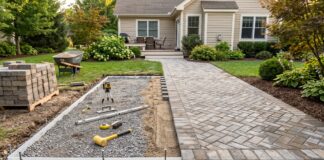
















When I bought my first house, I had to research all the different fencing types to keep my dog safe and give us privacy. The old chain-link fence was falling apart. I wanted something that looked good and lasted.
I spent weeks comparing options. I learned that the right fence adds real value to your home. It also makes daily life easier. Here is everything I learned so you can make the best choice for your yard.
What Is the Cheapest Type of Fence?
When looking at the sheer cost among types of fences, chain link is still the absolute cheapest type of fence. You can install it yourself for around $8 to $15 per linear foot. It goes up fast and needs almost no maintenance.
However, it does not add much curb appeal. It also offers zero privacy. Many homeowners start with chain link and upgrade later.
Pressure-treated pine is another low-cost option. It costs to per foot installed. You can easily stain it to match your house.
What Type of Fence Adds to Property Value?
A well-built wood fence or vinyl fence adds the most value. Buyers love the clean look and privacy they provide. A nice fence can increase your home’s resale value by 3 to 5 percent.
Cedar or composite fences look the most premium. They last longer and resist rot better than pine. I chose cedar for my backyard because it weathers beautifully.
Vinyl fences are another strong choice. They never need painting and resist fading. They cost more upfront but save money over time.
What Type of Wood Fence Lasts the Longest?
Cedar is the absolute best wood for long-lasting fences. It naturally resists rot and insects. I have seen cedar fences still looking strong after 25 years of exposure to the elements.
Pressure-treated pine is cheaper but needs regular sealing. It lasts 10 to 15 years with good care. I use it for smaller projects where budget matters more.
Composite wood fences combine the look of wood with the durability of plastic. They cost more but require almost no maintenance. They are perfect for busy homeowners.
Types of Temporary Fencing
Temporary fencing is useful during construction or when you have a new puppy. Plastic mesh fencing is the cheapest option. It goes up quickly and comes down just as fast.
Metal panel temporary fencing is stronger. It works well for larger projects or events. I used it when building my deck last summer.
Always secure temporary fencing properly. Wind can blow it over easily. I use heavy stakes and zip ties for a stable setup.
What Type of Nail Gun for Fencing?
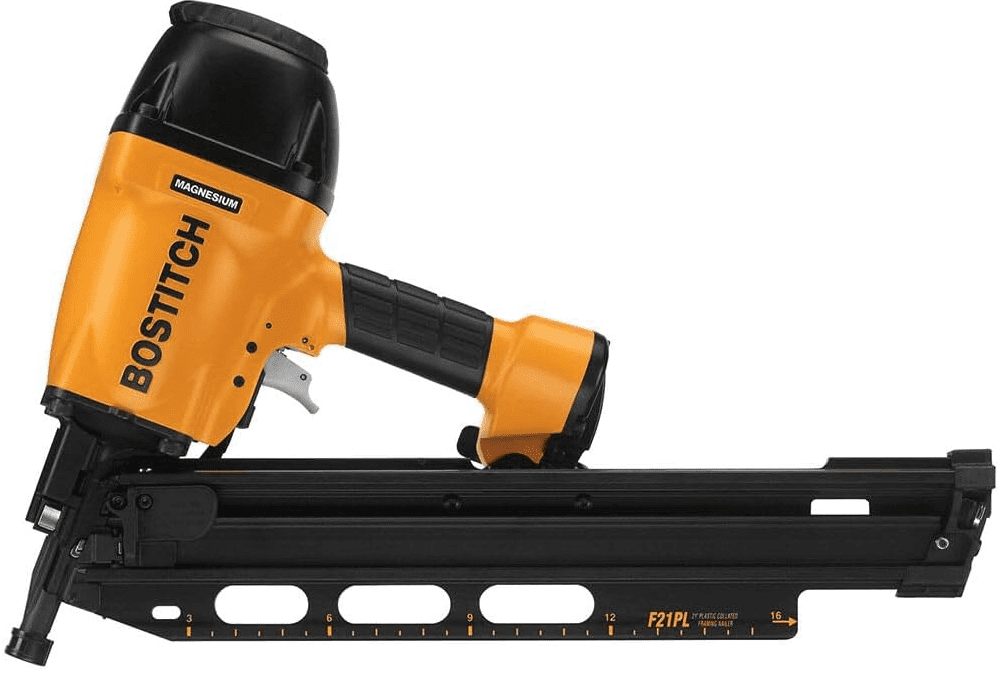
A pneumatic framing nail gun is the best choice for most fencing projects. It drives long nails quickly and securely. I use a 21-degree pneumatic model for raw speed.
Battery-powered framing nailers are excellent for smaller jobs. They are lighter and easier to move around. I keep one charged for quick repairs.
Never use a brad nailer for fence posts. The nails are too thin and will not hold. It is recommended to reserve the brad nailer exclusively for trim work.
What Type of Concrete for Fence Posts?
Fast-setting concrete is my favorite for fence posts. It hardens in 20 to 40 minutes. I can finish a whole fence line in one single day.
Standard concrete works fine, but takes 24 to 48 hours to set. It is cheaper but slows down your project. I only use it for non-urgent jobs.
Mix the concrete slightly drier than the bag recommends. This prevents the post from shifting while it cures. I always brace the post for the first hour.
Product Recommendations
If you are planning a DIY fence build, these two products will save you hours of grueling labor.
Pneumatic Framing Nail Gun
This is my go-to tool for fence building. It drives nails fast and deep without jamming.
- Pros: Insanely fast, powerful, and reliable for heavily treated wood.
- Cons: Requires an air compressor and hose.
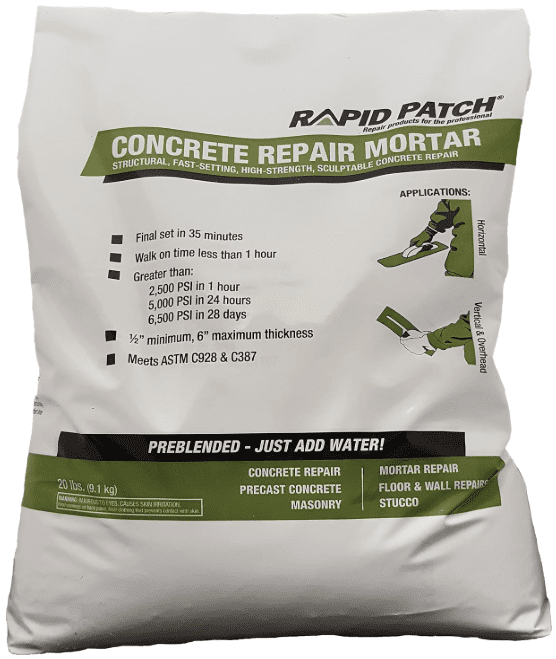
Fast-Setting Concrete Mix
This mix sets in minutes. It holds heavy wooden posts securely without waiting days for them to cure.
- Pros: Quick setting (20-40 mins), incredibly strong hold, easy to mix right in the hole.
- Cons: Slightly pricier per bag than standard concrete.
Frequently Asked Questions
What is the cheapest type of fence?
Chain link fencing is the cheapest option available, typically costing between $8 to $15 per linear foot. If you prefer wood, pressure-treated pine is the most budget-friendly timber option.
What type of nail gun for fencing?
A framing nail gun (specifically a 21-degree pneumatic framing nailer) is the best tool for building a wood fence. It can drive 2.5- to 3.5-inch nails deeply into thick, treated lumber.
What type of concrete for fence posts?
Fast-setting concrete is highly recommended for fence posts. It allows you to pour the dry mix directly into the hole, add water, and have a solid, self-supporting post in 20 to 40 minutes.
Final Thoughts
The right fence makes your yard safer and more enjoyable. It also adds real value to your home. Take time to choose the best type for your needs and budget. A good fence will serve your family for decades.
If you are considering a new fence, please let me know your yard size and your primary needs—privacy, security, or style. I will share my exact recommendations for your situation!