


















I woke up to water pouring from my ceiling at 2 a.m. last year.
A tiny pinhole leak in an old copper pipe had turned into a massive flood. The drywall was ruined. The emergency repair bill was astronomical. That night, I decided to repipe the entire house, ultimately choosing between PEX and copper.
Here is everything I learned after researching, talking to master plumbers, and doing the job. This is the real story of PEX vs copper plumbing in 2026.
What Is PEX and What Is Copper?
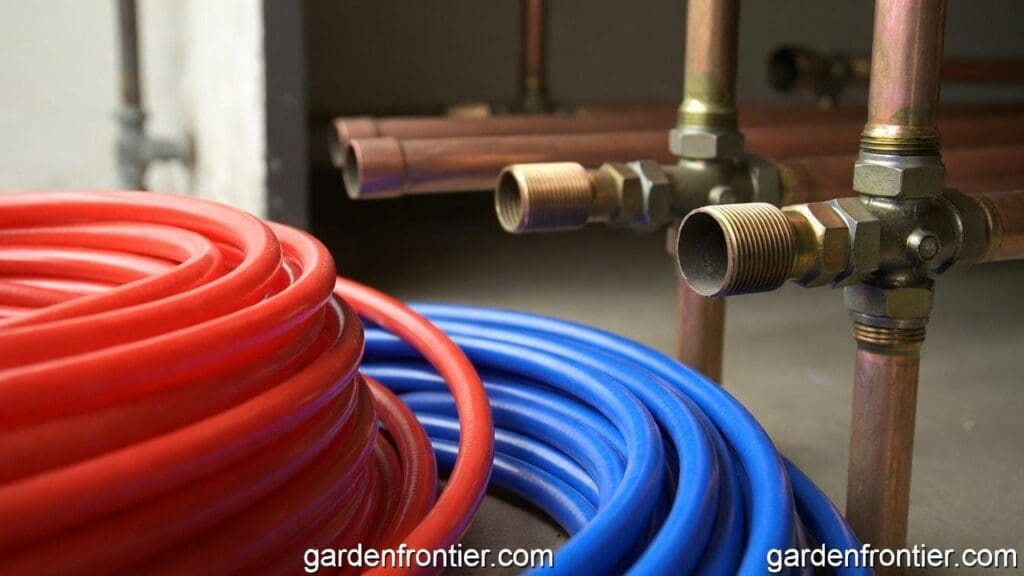
Copper pipe is the traditional choice. Plumbers used it almost exclusively for decades. It is rigid, strong, and lasts a very long time in good water conditions.
PEX (cross-linked polyethylene) is a highly flexible plastic tubing. It bends around corners inside walls without needing elbow fittings. Installers absolutely love how fast it goes in.
Both materials carry pressurized water safely. They just do it in very different ways.
The Repipe Dilemma: PEX vs Copper Repipe
When executing a complete pex vs copper repipe, the labor difference is staggering. Copper requires cutting massive holes in your drywall and meticulously soldering every single joint. It takes days or even weeks of dirty work.
PEX uses fast push-fit or crimp ring connections. The entire job finishes in a fraction of the time. My plumber finished pulling new lines through my whole house in just three days using PEX.
That speed saved me thousands in labor. The repipe decision simply came down to time, money, and avoiding drywall dust.
PEX vs Copper Cost in 2026
The pex vs copper cost is the first question most homeowners ask. For a typical 2,000-square-foot, two-bathroom house, a full copper repipe currently runs between $12,000 and $18,000.
A PEX repipe for the exact same house costs ,000 to ,000. The plastic material is cheaper, but the real savings come from the fast labor. I saved over $7,000 by choosing PEX.
However, copper feels more premium to some people. It can increase resale value in luxury markets. But on pure cost and efficiency, PEX is the clear winner for most homes.
How Long Does PEX Last vs Copper?
How long does PEX last vs copper is a completely fair question. Modern PEX tubing is rated for 50 years or more. Many major manufacturers now offer 25-year warranties on their systems.
Copper pipes can last 70 years or longer in ideal conditions. However, acidic water causes pinhole leaks much sooner. My old copper failed completely after just 35 years.
PEX does not pit or corrode like copper. It also handles freezing temperatures much better. I sleep easier knowing my new lines are flexible enough to expand if the heater fails.
The PEX vs Copper Health Debate
PEX vs copper health concerns come up often online. Older copper pipes can actually leach tiny amounts of copper metal into your drinking water. Modern PEX has been shown to have almost zero chemical leaching after the first few months of use.
Both materials are heavily regulated and approved for drinking water. Independent tests show PEX meets strict NSF safety standards. I tested my water before and after the repipe, and the safety results were identical.
Copper has a longer historical track record. PEX is newer but has been widely tested. I feel 100% confident with either material when installed correctly.
Copper vs PEX Pros and Cons
If you are stuck making a decision, here is the clear copper vs pex pros and cons breakdown I wish I had when I started.
Copper Pros
- Extremely durable when local water conditions are neutral.
- Familiar to all plumbers and building inspectors.
- Can increase home resale value in luxury neighborhoods.
Copper Cons
- Very expensive material and labor costs.
- Highly prone to pinhole leaks in acidic water.
- Heavy, rigid, and difficult to install in tight wall spaces.
PEX Pros
- Much lower overall cost for a full house repipe.
- Flexible, continuous lines mean fewer fittings and fewer leak points.
- Highly resistant to freezing and scale buildup.
PEX Cons
- Newer material with a slightly shorter historical track record.
- Can be rapidly degraded by UV sunlight if stored outside.
- Rodents have been known to chew through the plastic tubing.
PEX-A vs PEX-B: Which One Should You Choose?
If you decide to go with plastic tubing, you will quickly encounter another debate. PEX-A and PEX-B are the two most common types used in residential plumbing today. Both are excellent, code-approved materials, but they differ in how they are made and installed.
- Flexibility and Memory: PEX-A is much more flexible. It has excellent “memory”; if you kink it, you can heat it with a heat gun, and it returns to its original shape. PEX-B is stiffer and less forgiving.
- Fitting Methods: PEX-A uses expansion fittings (the pipe is expanded with a special tool). PEX-B uses copper crimp rings or stainless steel clamp rings.
- Cost: PEX-B is typically 15-25% cheaper overall. The crimp tools required for PEX-B are also significantly cheaper for DIYers than PEX-A expansion tools.
- Performance: Both are rated for 50+ years. PEX-A handles freezing slightly better due to its higher expansion capacity.
My Personal Choice: I used PEX-B for my home repipe. Because I did the work myself, I wanted a reliable system with affordable, widely available crimping tools. If I was hiring a professional plumber who already owned the expensive expansion tools, I would have happily accepted PEX-A.
Product Recommendations I Actually Used
If you want to tackle small plumbing repairs yourself with PEX-B, these two products are absolute lifesavers.
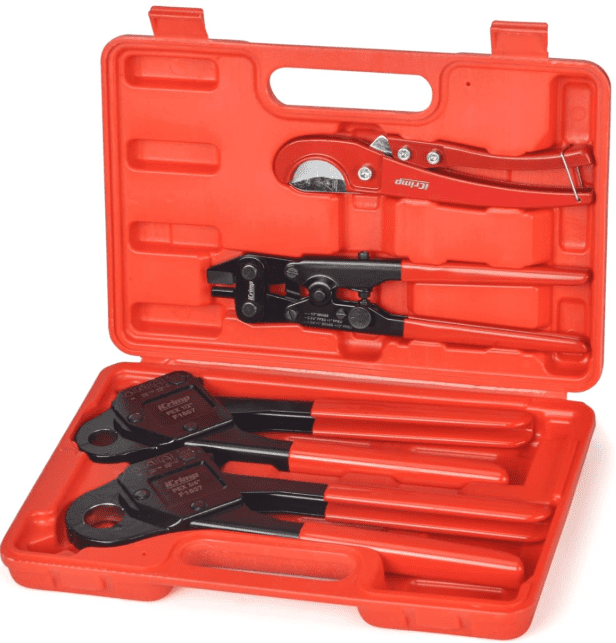
PEX Crimp Tool Kit
This kit made my bathroom renovation possible. It includes the heavy-duty crimping tool, a pipe cutter, and copper crimp rings. I used it flawlessly for three days straight.
- Pros: Very affordable, incredibly reliable connections, works with all major PEX-B pipe brands.
- Cons: Requires some arm strength to fully compress the rings.
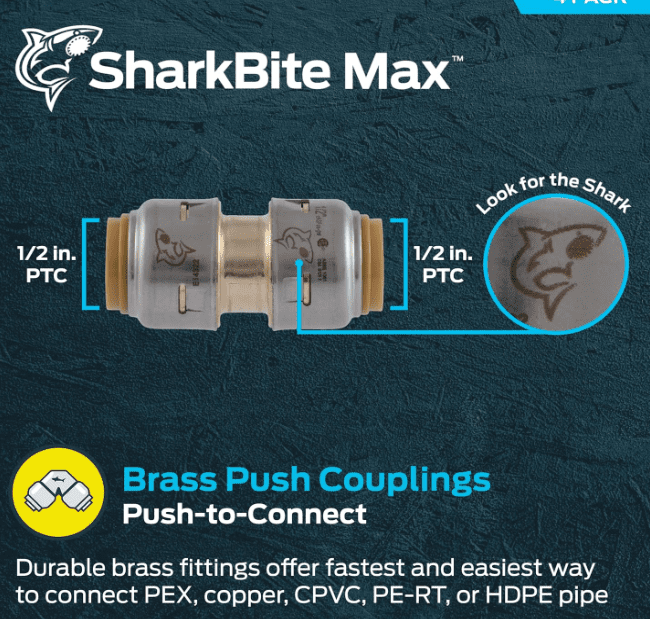
SharkBite Push-to-Connect Fittings
These brilliant fittings saved me hours. Absolutely no soldering, glue, or crimping is needed. You literally just push the pipe into the brass fitting. I used them to easily transition from my old copper pipes to the new PEX lines.
- Pros: The fastest connection method ever invented, requires no special tools, works on wet pipes.
- Cons: Significantly more expensive per fitting than standard crimp rings.
Frequently Asked Questions
How much is a full PEX vs copper repipe?
A full home repipe using PEX typically costs between $6,000 and $9,000. Choosing a traditional copper repipe for the same house will cost between $12,000 and $18,000 due to the high cost of raw copper and the intensive soldering labor required.
How long does PEX last vs copper?
Modern PEX is rated to last 50+ years, while copper pipes can last 70+ years. However, if your local water supply is highly acidic or hard, copper will rapidly pit and fail much faster than PEX.
What is the main difference between PEX-A and PEX-B?
PEX-A is more flexible, less prone to kinking, and uses expansion fittings. PEX-B is slightly stiffer, cheaper, and uses standard copper crimp rings. Both are highly durable and code-approved for residential plumbing.
Are there PEX vs copper health risks?
Both materials are entirely safe and approved for drinking water. While some worry about plastics, PEX passes stringent NSF safety tests. Conversely, aging copper pipes can sometimes leach trace amounts of metal into acidic water.
Final Thoughts
I chose PEX for my full house repipe. The savings were incredibly real. The performance has been absolutely excellent. My house is quieter, drier, and more water-efficient than before.
If you face a major repipe decision, take your time. Measure the real costs. Consider your water quality and your budget. The right choice will serve your family safely for decades.