
















Asbestos siding, once a popular building material, now represents a significant concern for homeowners. Known for its durability and fire resistance, it was widely used in homes built before the 1980s. However, the discovery of asbestos’s health risks has transformed how we view and manage this material. Understanding asbestos siding is critical for homeowners to ensure their family’s safety and comply with modern regulations.
What Is Asbestos Siding?
Asbestos siding is a composite material made from a mix of asbestos fibers and cement. This combination created a product that was lightweight, durable, and resistant to fire and weather. From the 1930s to the 1970s, it was commonly used in residential and commercial buildings.
Historically, asbestos-cement siding was prized for its low cost and easy installation. However, with the rise of health concerns in the late 20th century, its use declined sharply, and safer alternatives emerged.
Origins and History of Asbestos Siding
The origins of asbestos siding date back to the early 20th century, when manufacturers like Johns-Manville Company, Flintkote, and J-M Roofing pioneered its production. Combining asbestos fibers with cement, they created asbestos-cement siding—a material known for its fire resistance, durability, and affordability.
Cement-asbestos materials and asbestos-reinforced concrete gained widespread popularity in the 1930s as homeowners sought low-cost, weatherproof solutions. Cementitious siding tiles were especially common, offering a wood-like appearance with less maintenance.
Despite its benefits, the health risks of asbestos exposure eventually overshadowed its advantages, leading to its decline and the rise of modern alternatives.
How to Identify Asbestos Siding
Visual Identification
Identifying asbestos siding starts with understanding its common shapes and textures:
- Shapes: Often manufactured as shingles or clapboards.
- Textures: Frequently smooth, with grooves or patterns resembling wood grain.
- Key Indicators: Look for nail punctures or small cracks, which are characteristic of older materials.
While visual inspection can provide clues, it’s not definitive.
Testing Methods
For accurate identification, laboratory testing is necessary. Here’s how to collect and test samples safely:
- Prepare Equipment: Wear protective gear, including a mask, gloves, and disposable coveralls.
- Collect Sample: Carefully cut a small piece of the siding with minimal disturbance.
- Seal Sample: Place it in an airtight container or bag.
- Send to Lab: Submit the sample to an accredited asbestos testing laboratory.
Always consult professionals to minimize exposure risks during this process.
Health Risks of Asbestos Siding
Exposure to asbestos fibers from asbestos siding poses significant health risks. When asbestos siding is disturbed through activities like sanding, sawing, or demolition, microscopic asbestos fibers can become airborne. Inhalation of these fibers may lead to severe health conditions, including:
- Asbestosis: A chronic lung disease caused by scarring of lung tissue due to prolonged asbestos exposure.
- Mesothelioma: an aggressive and often fatal cancer affecting the lining of the lungs, abdomen, or heart.
- Lung Diseases: increased susceptibility to lung cancer, especially among smokers.
The risks are heightened when asbestos cement deteriorates over time, releasing fibers into the air. Proper handling, such as avoiding unnecessary disruption and adhering to safety guidelines, is critical to reducing the dangers associated with asbestos-related diseases. Regular maintenance and professional inspections can further ensure safety.
Asbestos Siding vs. Modern Alternatives
Fiber-Cement Siding
Fiber cement siding is the modern successor to asbestos cement siding. Made from a blend of Portland cement, sand, and cellulose fibers, it offers a safer, non-toxic alternative to asbestos-containing materials. Unlike asbestos siding, which relies on asbestos fibers as a binding agent, fiber-cement siding incorporates cellulose fibers, resulting in a material that is equally durable and fireproof but without the associated health risks.
In terms of appearance, fiber-cement siding can mimic the look of traditional wood clapboard or shingles while avoiding the ragged fibrous edges often seen in older asbestos siding. It also boasts superior paint absorption, making it easier to maintain and customize. Repair difficulty is significantly reduced, as replacement shingles are readily available and safer to handle.
Both materials are resistant to fire, but the key difference lies in safety: asbestos siding poses serious health hazards if disturbed, while fiber-cement siding is entirely safe to use and handle.
Other Siding Options
- Vinyl: lightweight, low maintenance, but less durable.
- Wood: eco-friendly and visually appealing, but requires frequent upkeep.
- Aluminum: Durable and recyclable, though prone to denting.
Each alternative has its pros and cons, depending on budget, aesthetics, and maintenance preferences.
Safe Handling and Removal of Asbestos Siding
When to Remove Asbestos Siding
Removal isn’t always necessary. Consider removal if:
- The siding is cracked, deteriorating, or damaged.
- Renovations require disturbing the material.
- You’re selling the property and need to meet buyer requirements.
Safe Removal Procedures
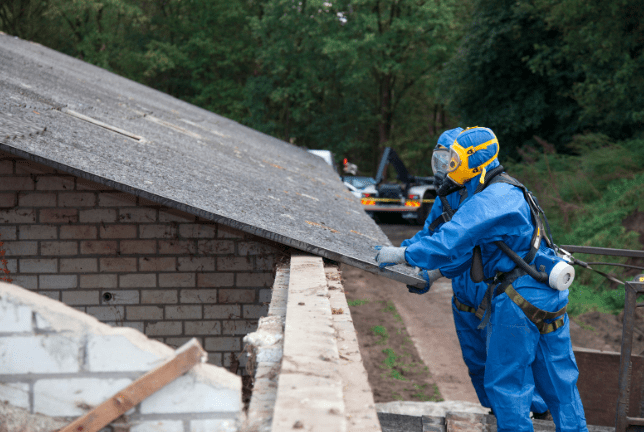
- Hire Professionals: Certified asbestos abatement contractors have the tools and expertise to remove siding safely.
- Minimize Dust: Wet the siding to reduce fiber release during removal.
- Seal and Dispose: Use approved bags and containers for disposal. Follow local regulations.
DIY removal is strongly discouraged due to health risks and legal restrictions.
Disposal Guidelines
Disposal of asbestos materials is strictly regulated. Ensure compliance by:
- Transporting materials in sealed containers.
- Using licensed disposal facilities.
- Obtaining necessary permits for removal and transportation.
Alternatives to Removal
- Encapsulation: Covering asbestos siding with new materials, such as vinyl or aluminum, to seal in fibers.
- Benefits: Lower cost, quicker process, and reduced disturbance of asbestos.
Encapsulation is often a safer and more cost-effective option for intact siding.
Maintenance Tips for Asbestos Siding
Proper maintenance can extend the life of asbestos siding and minimize health risks:
- Cleaning: Use a gentle approach with a soft brush and mild detergent. Avoid pressure washing.
- Repairs: Patch small cracks or holes with cement or caulk, ensuring minimal disturbance.
- Inspection: Regularly check for damage or deterioration.
Avoid drilling, cutting, or sanding asbestos siding to prevent fiber release.
FAQs
Q: How do I know if my siding contains asbestos? A: Look for common visual indicators and consider laboratory testing for confirmation.
Q: Is it safe to live in a house with asbestos siding? A: Yes, if the siding is intact and undisturbed. Regular maintenance is key.
Q: Can I remove asbestos siding myself? A: DIY removal is not recommended due to health risks and legal requirements. Hire certified professionals.
Q: Does covering asbestos siding affect home value? A: Encapsulation can preserve or even enhance home value by improving aesthetics and safety.
Conclusion
Asbestos siding poses significant risks, but with proper identification, handling, and maintenance, homeowners can manage these challenges safely. Whether you choose to encapsulate or remove asbestos siding, always prioritize safety and seek professional guidance when needed. By taking proactive measures, you can protect your home and loved ones while complying with modern standards.