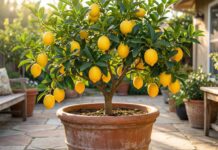


















Last spring, my Meyer lemon tree looked miserable. New leaves were yellowing and dropping, blossoms were falling off before they could set fruit, and the whole plant seemed stunted even though I was watering it religiously. I assumed I was overwatering or the pot was too small. Then I started digging into the real problem: NPK for citrus trees. Once I understood the exact nutrient ratio these heavy feeders need, everything changed. Within one growing season, the tree exploded with fragrant white blossoms and produced more lemons than I could give away.
I am sharing my complete DIY homeowner guide so you can avoid the same frustration. I will walk you through why citrus trees are such hungry plants, the best NPK ratio for citrus trees, the products that actually work in 2026, my proven feeding schedule, and the difference between potted and in-ground care. If your lemon, lime, orange, or grapefruit tree is struggling, this is the fix.
Why My Lemon Tree Was Dying (The Secret Is NPK)
Citrus trees are greedy. They grow fast, produce lots of fruit, and pull large amounts of nutrients from the soil every season. My tree was starving because I was feeding it a generic “all-purpose” fertilizer that had the wrong balance. The leaves showed classic nitrogen deficiency, with yellowing while the veins stayed green, and the lack of phosphorus and potassium led to weak roots and poor fruit set.
The moment I switched to the correct NPK for citrus trees, the tree responded in weeks. New growth was dark green, blossoms stayed on the branches, and the fruit that developed was larger and juicier. NPK is not just a number on a bag, it is the language your tree uses to tell you what it needs.
What Is the Best NPK Ratio for Citrus Trees?
Citrus trees are nitrogen lovers first. They need lots of N to push lush green foliage and strong new shoots. Phosphorus (P) supports root development and flowering, while potassium (K) is the secret weapon and the ideal npk for citrus trees to make big fruit and build disease resistance.
The sweet spot, according to most experts (and my own results), is a higher-nitrogen ratio, such as 2-1-1 or 3-1-1. In practical numbers, that means a 6-3-3, 8-4-4, or 10-5-5 blend. These ratios give the tree the heavy nitrogen hit it craves while still delivering enough P and K for flowers and fruit.
Avoid high-phosphorus “bloom booster” formulas unless your tree is already mature and you are trying to force a heavy crop. For most home gardeners, the balanced 2-1-1 or 3-1-1 ratio keeps the tree healthy year after year without pushing it into stress.
The Best NPK Fertilizers for Citrus Trees in 2026
After testing several products side-by-side on my own trees and helping friends with theirs, these two stand out for home gardeners.
1. The Best Granular Organic Pick: Espoma Organic Citrus-tone (5-2-6)
This is my go-to for in-ground and large potted trees. It is slow-release, gentle on roots, and loaded with beneficial microbes that improve soil health over time. The 5-2-6 ratio provides exactly the nitrogen-rich boost citrus need, while the extra potassium helps with fruit size and sweetness. One application lasts 2–3 months.

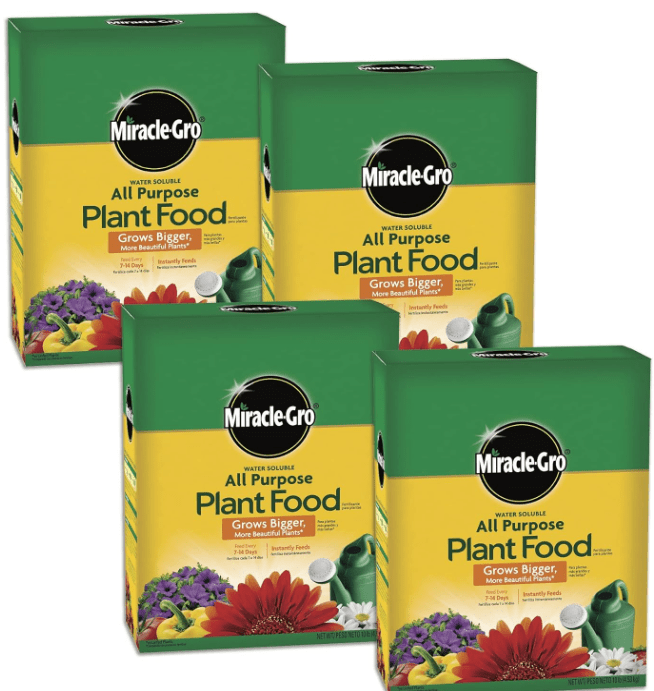
2. The Best Liquid Pick for Potted Trees: Miracle-Gro Water Soluble Citrus (20-10-20)
Container-grown citrus lose nutrients fast because water flushes them out of the pot. A water-soluble NPK fertilizer lets you feed lightly and often. The 20-10-20 formula provides the perfect water-soluble NPK nutrients for citrus trees. It is strong enough for quick greening but balanced enough not to burn roots when diluted properly. I use it every 2–3 weeks during the growing season on my potted lemons and limes.
My Proven Citrus Fertilizer Schedule
Citrus trees want three strong feedings per year:
- Late winter / early spring (February–March): The big nitrogen push to wake the tree up and support the spring flush of growth and blossoms.
- Early summer (May–June): Keep the momentum going while fruit is setting and swelling.
- Late summer (August–early September): Final feeding to size up the fruit and help the tree store energy for winter.
Stop all fertilizer after early September. Citrus need a rest period in cooler months; feeding them in late fall or winter can push tender growth that gets damaged by frost.
For potted trees, I feed every 2–3 weeks with a diluted liquid fertilizer from March through September. In-ground trees get the granular product three times as noted above.
Potted vs. In-Ground Citrus Care
The biggest difference is nutrient retention. In-ground trees have a huge soil reservoir, so nutrients stay available longer. Potted citrus trees live in a small volume of soil that dries out quickly and leaches nutrients.
- In-ground trees: Use granular fertilizer 3 times per year.
- Potted trees: Use water-soluble NPK nutrients for citrus trees every 2–3 weeks during the growing season at half strength. Flush the pot with plain water once a month to prevent salt buildup.
Both need the same NPK ratio for citrus trees, but the frequency and delivery method change.
Micronutrients Matter (Don’t Ignore Iron and Zinc)
NPK gets the tree growing, but micronutrients keep it healthy. Yellow leaves with green veins (interveinal chlorosis) almost always mean iron or zinc deficiency. Most quality citrus fertilizers include these, but if you see the symptoms, add a chelated micronutrient supplement once or twice a year.
I keep a small bottle of liquid iron on hand and spray the leaves every spring if needed. The tree greens up fast, and the fruit quality improves dramatically.
Final Thoughts from My Own Backyard
Switching to the correct NPK for citrus trees turned my sad, yellowing Meyer lemon into a productive, fragrant machine that now gives me more fruit than I know what to do with. The change was not expensive or complicated — it was simply understanding what my tree actually needed and giving it the right food at the right time.
If your citrus tree is struggling with yellow leaves, poor fruit set, or slow growth, stop guessing and start feeding with the proper ratio. Your tree will thank you with blossoms and fruit, and you will finally enjoy the backyard citrus harvest you have been dreaming about.
Frequently Asked Questions
What is the best NPK ratio for citrus trees?
A 2-1-1 or 3-1-1 ratio (examples: 6-3-3 or 8-4-4) is best. They need higher nitrogen for foliage, and balanced phosphorus and potassium for healthy roots and big fruit.
How often should I fertilize my lemon tree?
Feed in-ground trees three times per year (early spring, early summer, late summer). For potted trees, use a diluted liquid fertilizer every 2–3 weeks during the growing season.
What is the best NPK fertilizer for citrus trees?
Espoma Organic Citrus-tone is excellent for slow-release organic feeding, while Miracle-Gro Water Soluble Citrus provides fast results for trees in pots. Both deliver the perfect ratio plus essential micronutrients.
Want More Backyard Gardening Success? 🌿
Reviving my citrus trees was just the beginning. If you want more proven DIY gardening guides, plant care hacks, and real-world tips to transform your backyard, head over to our homepage and join our free email newsletter!
You’ll get the smartest homeowner blueprints directly to your inbox—completely spam-free. Let’s grow a better garden together!