














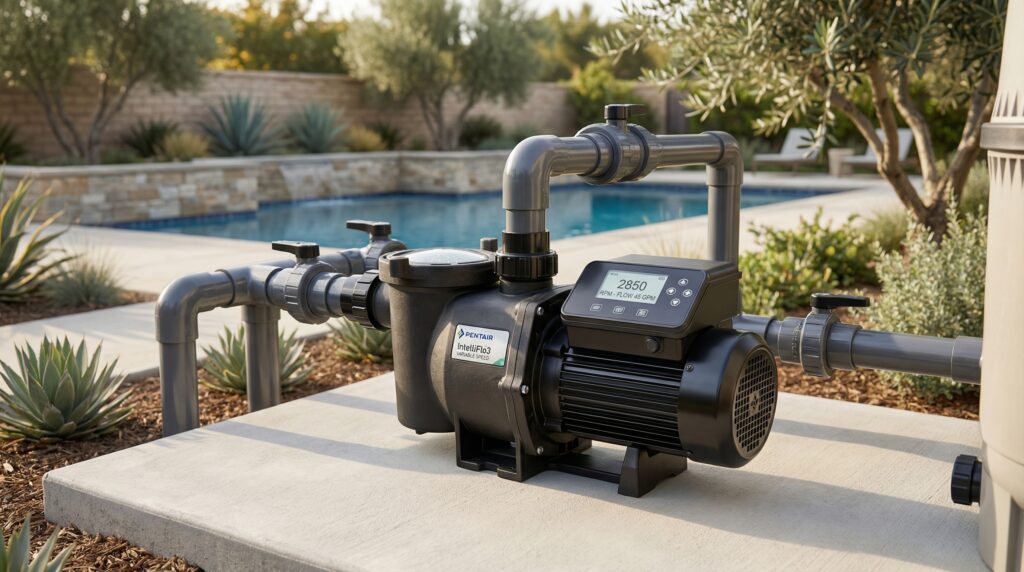
Last summer, my electric bill hit $412 in July alone. I walked out to the pool equipment pad, and the culprit was obvious: my old single-speed pump was running 24/7 because the timer had failed. Friends always ask me, “Does a pool pump run all the time?” and the answer is an absolute NO. The new DOE regulations have basically made those old single-speed pumps obsolete, and running them nonstop wastes hundreds of dollars while shortening motor life.
Instead of paying a pool guy $250 just to show up, I ripped out the old pump myself and installed a variable speed (VS) pump. My next two electric bills dropped to $118 and $132. That is a 70% savings. I am sharing my complete DIY blueprint here, the exact ROI math, how these pumps actually work, what size you really need, and my honest 2026 reviews of the top models. If you are a fellow homeowner tired of sky-high pool bills, this guide will show you exactly how to fix it.
The Reality Check: Do I Need a Variable Speed Pool Pump?
Yes — and the numbers do not lie.
Single-speed pumps run at full power or not at all. They are cheap to buy but expensive to run. The new Department of Energy rules now require pumps to meet strict energy-efficiency standards, effectively killing the old single-speed models for new installations. A variable speed pump lets you dial the motor down to 40–60% speed for most of the day. That single change is why I cut my bill by more than two-thirds.
What Is a Variable Speed Pool Pump & How Does It Work?
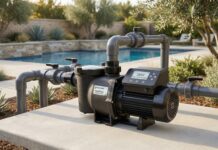
A variable-speed pool pump uses a permanent-magnet motor (the same technology found in electric cars), controlled by an electronic drive. Instead of a fixed speed, you can set it to run at any RPM between about 450 and 3450.
The magic is simple physics: running the pump slower for longer is dramatically cheaper than running it fast for a short time. Power consumption follows the cube of the speed. Drop the speed by half and you use roughly one-eighth the electricity. That is why my 1.5 HP VS pump sipping 300 watts on low speed can still turn over my 18,000-gallon pool twice a day while my old single-speed 1.5 HP monster gulped 1,800 watts.
The ROI Math: Does a Variable Speed Pool Pump Really Save Money?
Let me show you the exact numbers from my own pool.
- Old single-speed pump: 1.5 HP, 1,800 watts, running 12 hours/day = 21.6 kWh per day
- New VS pump: average 450 watts across 10 hours/day = 4.5 kWh per day
- Savings: 17.1 kWh per day × $0.18/kWh (my rate) = $3.08 per day or $92 per month
My new pump cost $1,250 installed (I did the labor). At $92/month savings it paid for itself in under 14 months. In year two I am saving almost $1,100 every season. That is real money back in my pocket.
Sizing: What Size Variable Speed Pool Pump Do I Need?
Keep it simple. Match the horsepower to your pool volume and plumbing.
- 1.0–1.5 HP VS pumps: Perfect for pools up to 20,000 gallons with 1.5-inch plumbing.
- 2.0–2.7 HP VS pumps: Ideal for 25,000–40,000 gallon pools or those with 2-inch plumbing and long runs.
- 3.0 HP+ VS pumps: Overkill for most residential pools unless you have a huge water feature or spa.
I replaced a 1.5 HP single-speed with a 1.5 HP VS unit and it handles my 18,000-gallon pool perfectly. Do not oversize just because you can — bigger motors cost more to buy and still run at low speed most of the time.
Cost: How Much Does a Variable Speed Pool Pump Cost in 2026?
Realistic street prices right now:
- Budget VS pumps (Black & Decker, some Hayward entry models): $800–$1,100
- Mid-range workhorses (Pentair SuperFlo VS, Hayward TriStar VS): $1,200–$1,600
- Premium models with Wi-Fi and advanced automation: $1,700–$2,200
Add $150–$300 for plumbing parts, unions, and a new check valve if needed. I did the entire swap myself in one Saturday for under $1,400 total.
Top 3 Recommended Variable Speed Pool Pumps for 2026
1. The Premium/Reliability King: Pentair SuperFlo VS Variable Speed Pool Pump
This is the industry standard for a reason. Quiet, extremely reliable, and the app is actually useful. The 1.5 HP model replaced my old pump with zero plumbing changes and has run flawlessly for two seasons. Pentair’s build quality and support are top-tier.
Pros:
- Whisper-quiet even on high speed
- Excellent app with scheduling and energy reports
- 3-year warranty
Cons:
- Higher price point
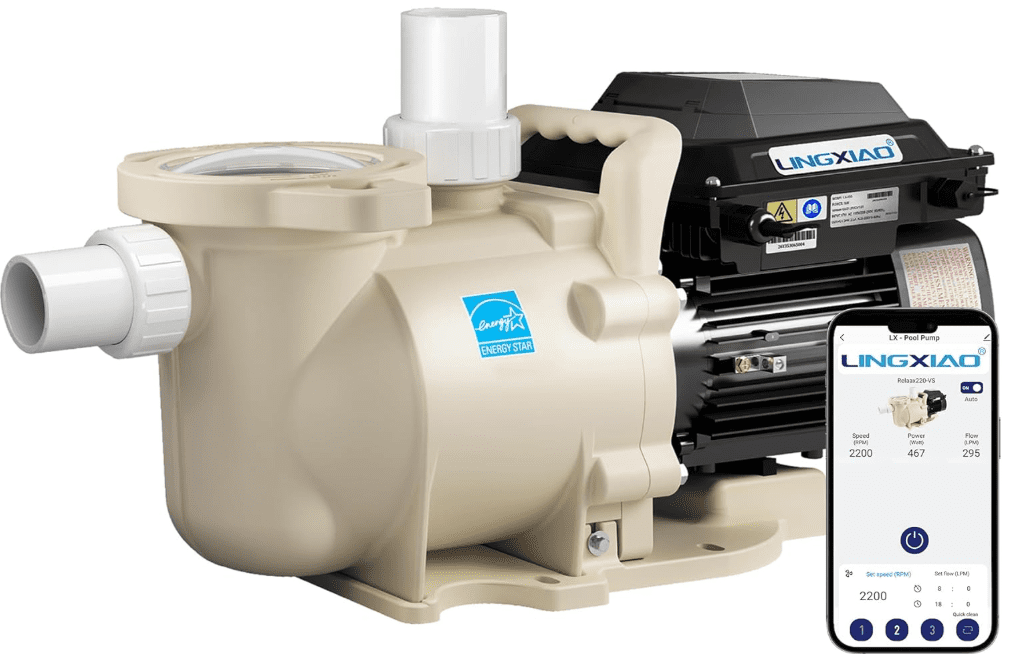
2. The Heavy-Duty Performer: Hayward W3SP3206VSP TriStar VS
If you have a larger pool or long pipe runs, this 2.7 HP beast is unbeatable. It moves massive water volume at low RPMs and the TriStar platform has been rock-solid for years. I helped a neighbor install one on his 35,000-gallon pool, and it handles everything with power to spare.
Pros:
- Massive flow at low speeds
- Very durable wet end
- Great for pools with water features
Cons:
- Slightly louder than the Pentair on high speed
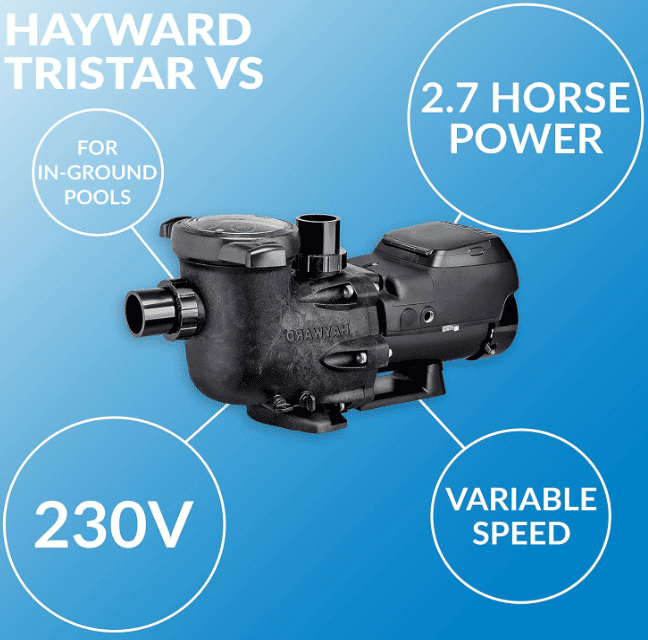
3. The Best Budget/DIY Option: Black and Decker Variable Speed Pool Pump
Do not let the brand fool you — this is a serious performer for the price. The 1.5 HP model has a 3-year warranty and a built-in timer. It saved my friend $800 compared with the big names and has been running perfectly for 18 months.
Pros:
- Incredible value
- Easy-to-use digital controls
- Lightweight for DIY swaps
Cons:
- Slightly less refined app than Pentair
A Quick Note on Automation
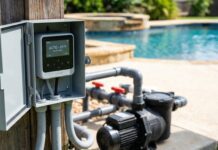
If you already have a Hayward controller, the Hayward TriStar integrates perfectly. Pentair pumps work best with Pentair automation. Mixing brands is possible with a simple timer or smart plug, but for full smart control it is cleaner to stay in one ecosystem. Standalone digital timers work with any VS pump and are the simplest upgrade if you do not want full automation.
Final Thoughts from a Real DIY Homeowner
Switching to a variable speed pool pump was one of the smartest upgrades I have ever made. My pool stays crystal clear, the equipment pad is quieter, and my electric bill is dramatically lower. The new DOE rules have made single-speed pumps a bad choice going forward. Spend the money once on a quality VS pump and you will thank yourself every month when the bill arrives.
Want More Pro Home & Pool Maintenance Hacks? 🏡
Fixing my pool equipment myself saved me hundreds of dollars in contractor fees and electricity bills. If you want more step-by-step DIY guides, money-saving repairs, and honest tool reviews from my own backyard renovations, head over to our homepage and join our free email newsletter!
You’ll get the smartest tutorials directly to your inbox—completely spam-free. Let’s build a better home together!
Frequently Asked Questions
Do I need a variable speed pool pump?
Yes. Due to new Department of Energy (DOE) regulations, single-speed pumps are largely obsolete for new installations. A variable speed pump allows you to dial down the motor, saving up to 70% on electricity costs.
How do variable speed pool pumps work?
They use a permanent magnet motor (similar to electric cars) that can run at various RPMs. The physics of water flow means running the pump slower for a longer time uses exponentially less electricity than running a standard pump at full speed for a short time.
Does a variable speed pool pump really save money?
Yes. Dropping the pump speed by half uses roughly one-eighth the electricity. Most homeowners save between $50 and $100 a month, meaning the pump often pays for itself in less than two seasons.
What size variable speed pool pump do I need?
For most residential pools up to 20,000 gallons with 1.5-inch plumbing, a 1.0 to 1.5 HP pump is ideal. For larger pools (25,000–40,000 gallons) or long pipe runs, a 2.0 to 2.7 HP pump is recommended.
How much does a variable speed pool pump cost?
Budget models like Black & Decker cost between $800 and $1,100. Mid-range to premium models from industry leaders like Pentair and Hayward typically cost between $1,200 and $1,800.
Are Jandy variable speed pool pumps compatible with Hayward controllers?
Mixing brands for full automation can be tricky and often requires expensive adapters. It is usually best to stick to one brand’s ecosystem (e.g., Hayward pump with Hayward controller). However, basic standalone digital timers work with any brand.