












If you live in a warm climate and want a plant that offers lush evergreen foliage, delicate white flowers, and unique, delicious fruit, the Brazilian Cherry tree deserves a spot in your landscape.
While often used purely as a fast-growing ornamental hedge, treating it only as a privacy screen means missing out on its incredible fruit. In this complete guide, we will cover everything you need to know about growing a Brazilian Cherry, including the ultimate secret to harvesting fruit that tastes sweet instead of like bitter resin.
Brazilian Cherry: Quick Care Guide
| Feature | Details |
|---|---|
| Botanical Name | Eugenia uniflora |
| Common Names | Surinam Cherry, Florida Cherry, Pitanga |
| USDA Zones | 9b – 11 (Can be grown in containers elsewhere) |
| Sun Exposure | Full Sun (12 hours preferred for best fruiting) |
| Mature Size | Up to 25 feet (8 m) tall if unpruned |
What is a Brazilian Cherry Tree?
The Brazilian Cherry (Eugenia uniflora) is a member of the Myrtaceae family, making it a close relative to the guava, jaboticaba, and mountain apple. Native to the eastern coast of South America—stretching from Suriname down to southern Brazil—it is widely known as the Surinam Cherry or Florida Cherry.
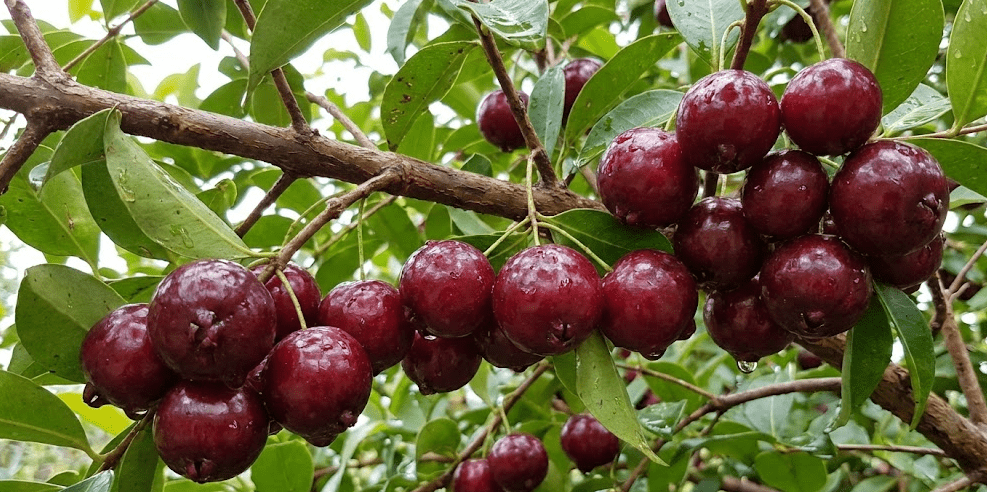
Despite being called a “tree,” it naturally grows as a dense, multi-branching shrub. Its new leaves emerge as a brilliant, eye-catching copper-red before maturing into a deep, glossy green. In the spring, it produces highly aromatic white flowers, followed by deeply ribbed, pumpkin-shaped berries that transition from green to orange, then red, and finally a deep crimson-black.
What Does a Brazilian Cherry Taste Like? (The Harvesting Secret)
Are Brazilian cherries edible? Absolutely! However, they are infamous for polarizing gardeners. Some people claim they taste like a delicious mix of mango and sweet cherry, while others say they taste like bitter pine resin. Why the difference?
The secret is all in the timing. You must never pick a Brazilian cherry when it is simply red. If you do, the resinous flavor will be overpowering.
- Wait for the drop: A perfectly ripe Brazilian cherry will be dark crimson, almost black. It should literally fall off the branch into the palm of your hand at the slightest touch.
- The Black Variety vs. Red Variety: If you are growing from seed or buying a grafted plant, try to find the “Black” or “Dark Crimson” variety (like the ‘Zill Dark’ cultivar). These are noticeably sweeter and less resinous than the standard bright red varieties.
Because they are incredibly fragile when fully ripe, you will almost never find them in grocery stores, making them a true gardener’s delicacy perfect for fresh eating, jams, jellies, and wines.
🎧 Pro Tip: Make Gardening & Chores More Enjoyable
Love spending hours in the garden or working around the house, but wish you had more time to read? Listen to audiobooks while you work!
Amazon is currently offering a FREE Trial of their new Audible Standard plan. You get unlimited ad-free listening to select originals and a free audiobook to keep forever.
How to Grow Brazilian Cherry Trees
1. In-Ground Planting
Brazilian cherries are rapid growers with deep root systems. If you are planting them as standalone fruit trees, space them at least 10 to 15 feet apart to allow for their mature canopy. If you want to create a dense privacy hedge, space them 2 to 5 feet apart.
2. Growing in Containers
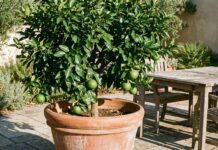
If you live outside of USDA Zones 9b-11, you can absolutely grow a Brazilian Cherry in a pot! Choose a large container (at least 15-20 gallons for a mature plant) with excellent drainage holes. Bring the pot indoors or into a heated greenhouse before the first frost, as temperatures below 30°F (-1°C) will severely damage or kill the plant.
3. Soil and Sunlight Requirements
These plants despise having “wet feet.” A well-draining soil mix is non-negotiable. If potting, use a blend of standard potting soil heavily amended with perlite and horticultural sand. While they can tolerate partial shade, planting them in full sun (at least 12 hours a day) will yield the densest foliage and the heaviest fruit crops.
Brazilian Cherry Tree Care & Maintenance
Watering Wisdom
Once established in the ground, Brazilian cherries are surprisingly drought-tolerant. However, for good fruit production, they need consistent moisture. Water the tree deeply once a week, allowing the top 2 inches of soil to dry out completely before watering again. Overwatering is the fastest way to kill this plant, so err on the side of underwatering.
Fertilizing for Fruit
Apply a balanced, slow-release fertilizer (like an 8-3-9 citrus or fruit tree mix) during the active growing seasons in spring and summer. If your soil is highly alkaline, you may occasionally need to apply a nutritional spray containing iron, zinc, and manganese to prevent leaf yellowing (chlorosis).
Pruning: The Hedge vs. Fruit Dilemma
Because it responds so well to pruning, the Brazilian Cherry is frequently sheared into perfectly square hedges in places like Florida. However, frequent shearing cuts off all the flowering and fruiting wood!
- For a Hedge: Shear 2-3 times a year to maintain shape, but accept that you will get very little fruit.
- For Fruit Production: Prune only selectively in the late winter to remove dead, crossing, or diseased branches. Allow the canopy to grow naturally to maximize the surface area for spring blooms.
Conclusion
The Brazilian Cherry is a rewarding, low-maintenance plant that provides year-round visual interest and delicious seasonal treats. Whether you are letting it grow into a majestic 20-foot specimen tree or keeping it manageable in a patio container, mastering the patience required to harvest the fruit at peak ripeness will make this one of your favorite edible landscape additions.