












 Have you ever wanted to add a touch of prehistoric elegance to your indoor garden? The crocodile fern, with its distinctive textured leaves resembling a crocodile’s hide, makes a stunning addition to any plant collection.
Despite its exotic appearance, caring for this unique plant is simpler than you might think! This comprehensive guide will walk you through everything you need to know about keeping your crocodile fern thriving.
What is the Crocodile Fern
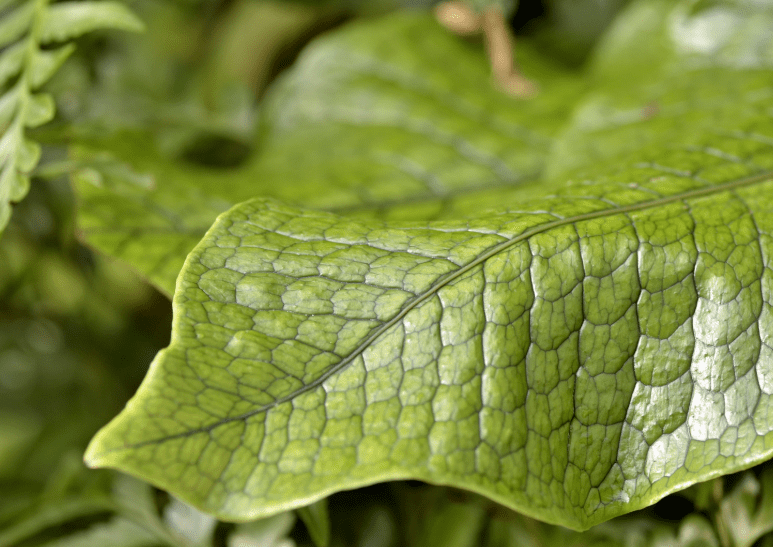
The Crocodile Fern (Microsorum musifolium ‘Crocydyllus’) is a tropical fern native to Australia and Southeast Asia. This remarkable plant features light green, segmented leaves marked with dark green veins and a distinctive wrinkled, puckery texture that gives it its reptilian name. Despite this rugged appearance, the plant has a graceful, delicate look that adds character to any space.
At maturity, these impressive plants can reach heights of 2 to 5 feet with a similar width, developing broad fronds that grow from rhizomes just below the soil surface. The crocodile fern grows naturally as an understory plant in tropical forests, which gives us important clues about its care requirements.
Natural Habitat and Growth Habits
In its natural environment, the crocodile fern thrives in the dappled light under the forest canopy, where high humidity and temperatures remain consistently warm. This background helps us understand why this fern prefers similar conditions in our homes – indirect light, consistent moisture, and protection from temperature extremes.
Is the Crocodile Fern Right for You?
Before diving into care specifics, consider whether this plant matches your home environment and commitment level. While not extremely difficult to care for, crocodile ferns require more attention than some houseplants. They’re perfect for plant enthusiasts with higher humidity levels and consistent care routines.
Essential Growing Conditions
Light Requirements
Crocodile ferns perform best in bright, indirect light. Direct sunlight will scorch the delicate fronds, while too little light will slow growth. An ideal location would be near an east-, west-, or north-facing window where the plant receives ample ambient light without harsh rays. A grow light can work wonderfully if your home lacks adequate natural light.
Give your pot a quarter turn each week for even growth so all sides of the plant receive equal light exposure.
Temperature Needs
As tropical plants, Crocodile Ferns prefer consistent warmth with ideal temperatures between 65-80°F (18-24°C)369. These plants are susceptible to cold and will quickly deteriorate if exposed to temperatures below their comfort range.
Keep your fern away from drafty windows, heating vents, and air conditioners, which can create temperature fluctuations that stress the plant.
Humidity Requirements
High humidity is crucial for your Crocodile Fern’s success. These tropical beauties thrive in environments with 60-100% humidity. Without adequate moisture in the air, the fronds will develop brown, crispy edges – a sure sign your fern is unhappy.
To increase humidity around your plant:
Place your fern in naturally humid areas like bathrooms or kitchens.
Use a pebble tray filled with water (ensure the pot sits on the pebbles above the water level)
Mist the fronds regularly with room-temperature water
Use a cool-mist humidifier near the plant, especially during dry winter months
Watering and Soil Management
Perfect Watering Technique
Finding the right watering balance is essential for crocodile ferns. They need consistent moisture without becoming waterlogged. Water your fern when the top inch of soil feels dry.
When watering, thoroughly soak the soil until water drains from the bottom of the pot, then allow it to drain completely – never let your fern sit in standing water. Always use room-temperature water, as cold water can shock tropical plants.
When growth slows in winter, reduce watering frequency while maintaining consistent moisture.
Soil Preferences
The right potting medium significantly impacts your crocodile fern’s health. These plants thrive in
Rich, well-draining soil with organic matter
Peat moss-based potting mixes
Soil similar to that formulated for African violets
Avoid miracle-type soils with built-in fertilizers, as these can be too strong for the fern’s delicate root system. Always use pots with drainage holes to prevent water from collecting at the bottom.
Feeding Your Crocodile Fern
Fertilization Schedule
Crocodile ferns aren’t heavy feeders but benefit from regular, gentle fertilization during the growing season. Apply a balanced, water-soluble fertilizer (like a 10-10-10 NPK) at half the recommended strength once a month during spring and summer.
Reduce feeding to once every couple of months during fall and winter as growth slows. Remember that over-fertilizing can damage your fern – it’s always better to under-fertilize than to apply too much.
Troubleshooting Common Issues
Brown Leaf Tips
Brown, crispy edges on fronds usually indicate:
Insufficient humidity
Inconsistent watering
Exposure to drafts or heated air
The solution usually increases humidity and establishes a more consistent watering routine.
Yellowing Fronds
When fronds turn yellow, check for:
Overwatering and potential root rot
Too much direct sunlight
Nutrient imbalances or over-fertilization
Adjust your care routine accordingly and trim away affected fronds to encourage new growth.
Propagation Methods
Division Technique
The most reliable way to propagate your Crocodile Fern is through division. This is best done during spring when repotting:
Carefully remove the plant from its pot
Identify natural divisions in the rhizomes
Gently separate the rhizomes, ensuring each section has healthy roots and fronds
Plant each division in its own pot with fresh potting mix
Water thoroughly and provide extra humidity during the establishment period
When repotting, cover the rhizomes with about 1-inch of potting mix rather than deeply burying them.
Container and Maintenance Considerations
Potting Requirements
Choose containers that:
Have adequate drainage holes
Are slightly larger than the current root ball when repotting
Provide stability for the potentially tall fronds
Repot your crocodile fern when it doubles in size or once a year, whichever comes first.
Routine Maintenance
For the healthiest plant:
Remove any yellow or damaged leaves promptly
Clean dusty fronds occasionally with a soft, damp cloth
Check regularly for pests, though Crocodile Ferns aren’t particularly susceptible to infestations
Rotate the plant quarterly for even growth
Seasonal Care Adjustments
Your Crocodile Fern’s needs change slightly with the seasons:
Spring/Summer: Increase watering and fertilizing as growth accelerates
Fall/Winter: Reduce watering and feeding as growth slows
Year-round: Maintain consistent humidity and temperature
Indoor Location Ideas
These stunning ferns make beautiful additions to:
Bathrooms with adequate light (perfect humidity!)
Kitchens away from heat sources
Living areas with bright, indirect light and a humidifier
Plant groupings where they create humidity microclimates
FAQ: Common Crocodile Fern Questions
Is crocodile fern safe for pets?
Yes! Crocodile Ferns are non-toxic to both cats and dogs, making them a safe choice for pet owners.
Why is my crocodile fern not growing?
Check light levels, humidity, and fertilization. These ferns are naturally slow growers, but proper conditions will ensure steady growth.
Can crocodile ferns be grown outdoors?
Yes, but only in USDA zones 10-11 where there’s no risk of frost. They make excellent shade gardens or patio plants in suitable climates.
By providing the right balance of indirect light, consistent moisture, high humidity, and appropriate temperatures, your Crocodile Fern will reward you with its distinctive, prehistoric-looking fronds for years to come.
With its unique textured leaves and graceful form, this conversation-starting plant brings a touch of the tropical rainforest into your home.