

















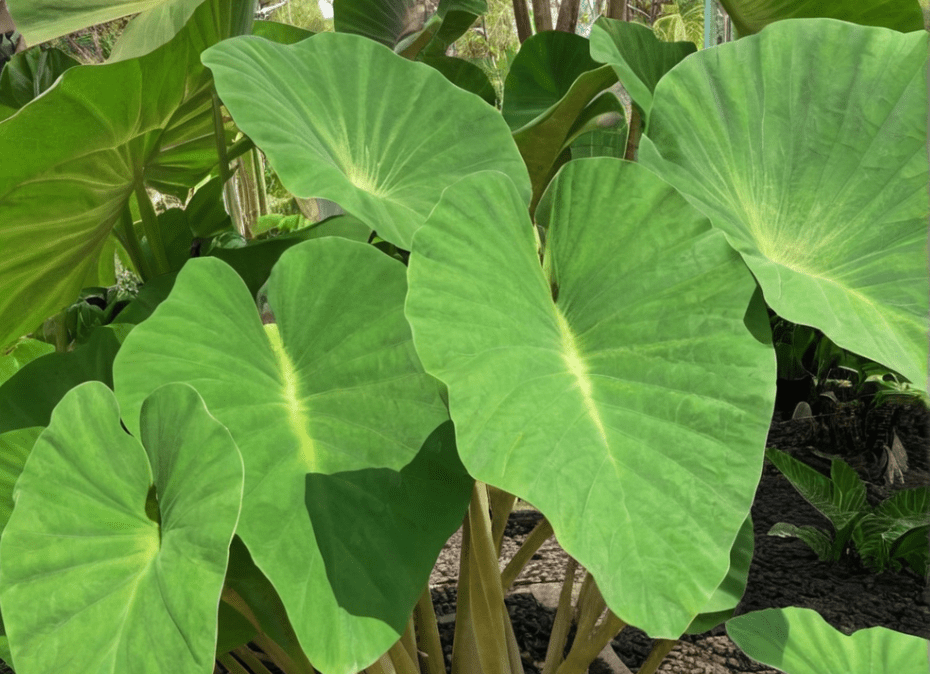
Three years ago, I planted a single elephant ear bulb in the corner of my garden. It looked incredibly tropical and beautiful. By the end of the second summer, it had aggressively multiplied, sending runners everywhere, and was actively suffocating my delicate hostas and hydrangeas. My “tropical oasis” had turned into a jungle invasion.
Elephant ear plants (belonging to the Colocasia, Alocasia, and Xanthosoma genera) are undeniably stunning. Their massive, dramatic leaves create an instant exotic vibe. However, their rapid growth can quickly lead to an “elephant ears taking over the garden” nightmare if you do not know how to manage their underground rhizomes and tubers.
In this guide, I will share exactly how I tamed my overgrown elephant ears, the simple tools I use to stop them from spreading, and the best ways to care for them so they stay a beautiful feature, not an invasive weed.
Quick Facts for DIY Gardeners
- Botanical Name: Colocasia spp., Alocasia spp., Xanthosoma spp.
- Height and Spread: These giants can reach 3 to 10 feet tall, with a spread of up to 6 feet per plant!
- Sun Exposure: They can handle full sun, but they thrive and look their best in partial shade (full sun will often scorch the edges of the leaves).
- Soil Requirements: Rich, moist soil. They are heavy drinkers and feeders.
- Hardiness Zones: USDA zones 8 to 12. In cooler climates, you must dig up the corms in the fall and store them indoors.
The Big Problem: Elephant Ears Taking Over the Garden
If you live in Zone 8 or warmer, elephant ears do not die back in the winter. Instead, they multiply rapidly underground using thick runners (rhizomes) and cormlets.
How to Stop the Spread:
- Use a Root Barrier: This is the secret weapon I use now. If you are planting them directly in the ground, dig a trench and install a high-density plastic root barrier around the perimeter. It physically stops the runners from spreading into your lawn or other garden beds.
- The “Pot in the Ground” Trick: Instead of planting the bulb directly in the soil, plant it in a large, sturdy plastic nursery pot with drainage holes. Then, bury the entire pot in the ground. The pot contains the tubers, preventing them from taking over, but it still looks like it’s growing naturally in the earth.
- Brutal Division: Every spring, you must be ruthless. Dig up the cluster and chop the tubers apart with a sharp garden spade. Keep the mother plant and throw away (or give away) the smaller “pups.”
How to Properly Plant and Care for Elephant Ears
If you have them contained, growing elephant ears is incredibly rewarding and easy.
- When to Plant: Wait until the soil has completely warmed up in the spring (after the last frost). Cold soil will rot the corms before they even sprout.
- How to Plant: Plant the corm (bulb) 2 to 4 inches deep. The bumpy side (with the little “eyes”) should face UP. The flat side goes down.
- Watering: These plants are incredibly thirsty. In the peak of summer, I water mine heavily every single day. If the edges of the leaves get crispy, they need more water.
- Fertilizer: Big leaves require big nutrients. Use a balanced, slow-release granular fertilizer every month during the growing season.
Common Pests and Diseases
Because they love humidity and moisture, they are prone to a few issues:
- Spider Mites and Aphids: You will usually find these hiding on the undersides of those massive leaves. I simply spray them off with a strong blast from the garden hose, then lightly spray neem oil if they persist.
- Fungal Leaf Blight: If you see yellow or purple spots spreading on the leaves, cut the infected leaf off immediately at the base of the stem and throw it in the trash (not the compost!).
Conclusion
Elephant ear plants are show-stoppers. They bring a lush, tropical jungle vibe to any patio or garden. However, do not underestimate their ability to take over! Plant them responsibly using root barriers or the sunken-pot method, feed them heavily, and do not be afraid to divide them aggressively in the spring. If you manage their spread, they will be the focal point of your summer garden year after year.
Frequently Asked Questions
How do I stop elephant ears from taking over my garden?
The most effective ways to control elephant ears are to plant them in large buried containers, install a thick plastic root barrier around their planting zone, or aggressively dig up and divide the tubers every spring to remove the spreading “pups.”
Do elephant ear plants come back every year?
It depends on your hardiness zone. In USDA Zones 8-12, they will stay in the ground and return every spring. In colder climates (Zone 7 and below), the winter frost will kill the bulbs. You must dig them up in the fall and store them indoors in a cool, dry place until spring.
Why are the edges of my elephant ear leaves turning brown?
Crispy, brown edges usually mean the plant is receiving too much direct, harsh sunlight, or it is not getting enough water. Elephant ears are heavy drinkers and prefer partial shade during the hottest parts of the day.
Ready for a Better Garden? 🌿
Managing invasive plants and fixing garden mistakes can save you hundreds of dollars. If you want more step-by-step DIY landscaping guides, plant care hacks, and real-world yard tips, head over to our homepage and join our free email newsletter!
You’ll get the best gardening blueprints delivered straight to your inbox—spam-free. Let’s build a better backyard together!