







After 17 years working with greenhouses, from small backyard hobby setups to large commercial operations, I’ve installed, troubleshot, and maintained every type of heating system you can imagine. I’ve seen greenhouses lose entire crops in one cold snap because the heater was undersized or poorly installed, and I’ve also seen growers save thousands of dollars per year by choosing the right furnace or heater for their specific climate and structure.
Heating a greenhouse is not the same as heating a house. The volume of air is large, the structure loses heat quickly, and you have to balance temperature, humidity, ventilation, and safety simultaneously. In 2026, with higher energy prices and more people growing year-round, getting this right is more important than ever.
This guide is written from real-world experience—not theory. I’ll explain every option, every advantage, every risk, real 2026 costs, and exactly what I recommend for different situations.
Why Greenhouse Heating Is Different (And Why Most People Get It Wrong)
A greenhouse is a high-heat-loss structure. Even with good glazing, you can lose 50–80% of your heat in a single night when temperatures drop. Unlike a house, you also have to manage high humidity to prevent mold and disease.
Here are the key factors I always evaluate:
- Size of the greenhouse: Square footage and height.
- Climate zone: Your lowest expected winter temperature.
- Type of covering: Glass, polycarbonate, or plastic film.
- Ventilation system: Fans, vents, and automatic openers.
- Budget: Fuel/electricity running costs vs. upfront installation cost.
- Safety: Carbon monoxide (CO) risk with gas, or electrical load capacities with electricity.
💡 The Golden Rule of Thumb: Plan for a system that can maintain your desired minimum temperature even when it’s 20–30°F colder outside than normal.
Types of Greenhouse Furnaces & Heaters in 2026 (Pros & Cons)
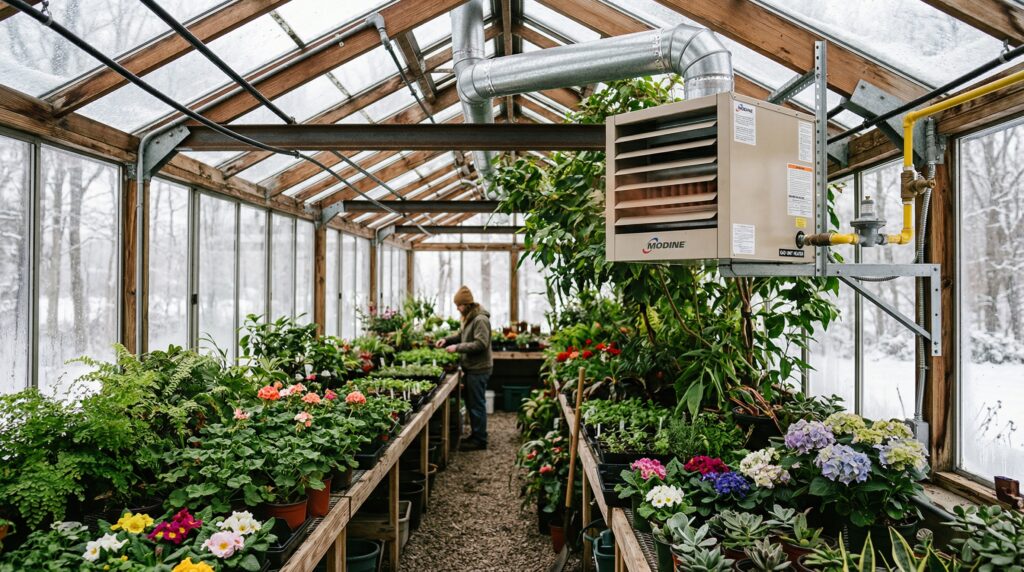
1. Propane / Natural Gas Furnaces & Unit Heaters
This is the most popular choice for larger greenhouses.
- Pros: High heat output, relatively cheap to run in many areas, can be vented safely.
- Cons: Requires a gas line or a propane tank; produces moisture and CO (requires proper venting).
The best-performing models I recommend right now:
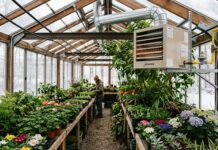
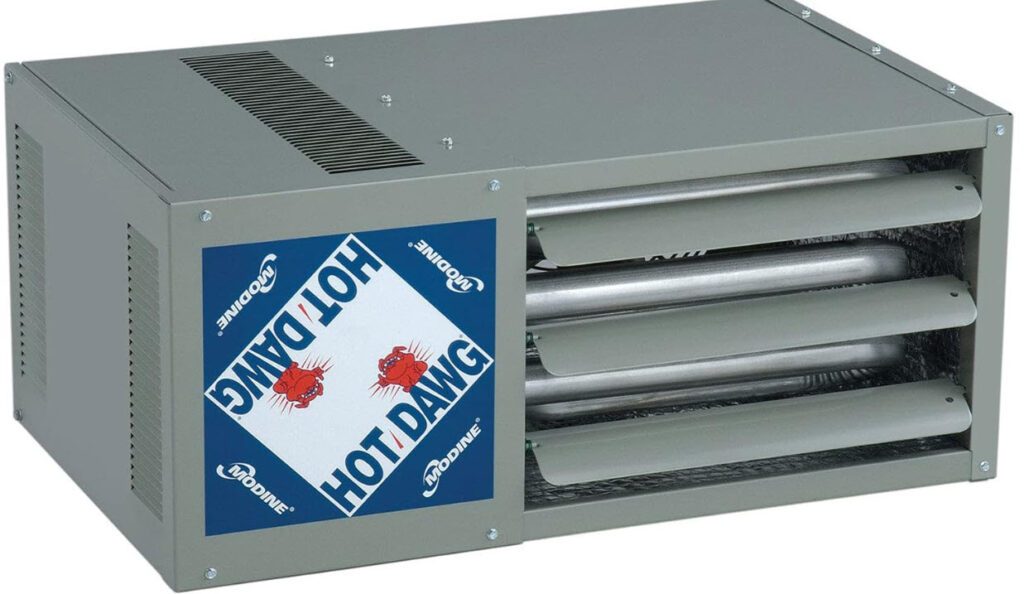
- Modine Hot Dawg (30,000–75,000 BTU): Very reliable, quiet, excellent for smaller to medium greenhouses.
- L.B. White Workman or Premier series: Built for agricultural use and very durable.
Real example: On a 20×40 ft greenhouse in Zone 5, a 60,000 BTU Modine keeps the inside at 55°F when it’s 10°F outside, with reasonable propane consumption.
2. Electric Heaters (Forced Air or Infrared)
Best for small to medium greenhouses or areas where gas is not practical.
- Pros: No combustion, no venting required, very safe, easy to install.
- Cons: Higher running cost unless you have cheap electricity or solar.
Top choices:
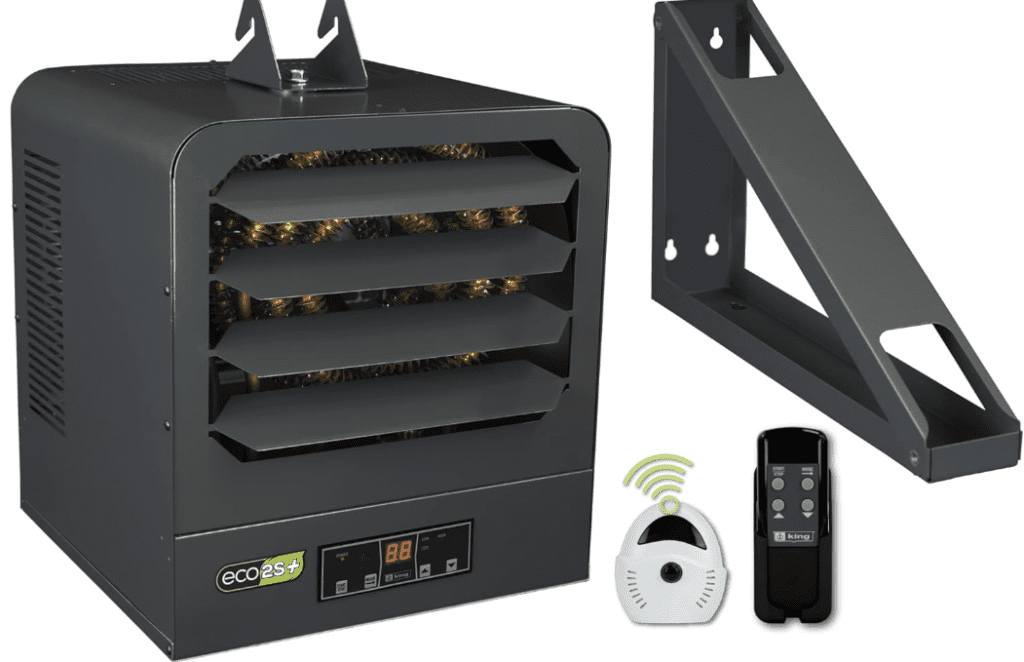
- King Electric or Cadet commercial-grade unit heaters.
- Infrared panel heaters for spot heating (great for propagation benches).
3. Wood / Pellet Stoves or Biomass Heaters
Gaining popularity for off-grid or low-cost operation.
- Pros: Very low fuel cost if you have access to wood or pellets. Excellent for people who already have a wood supply.
- Cons: Labor-intensive (loading fuel, ash cleanup), requires constant monitoring, and needs proper venting and fire safety measures.
Best options currently available on Amazon:
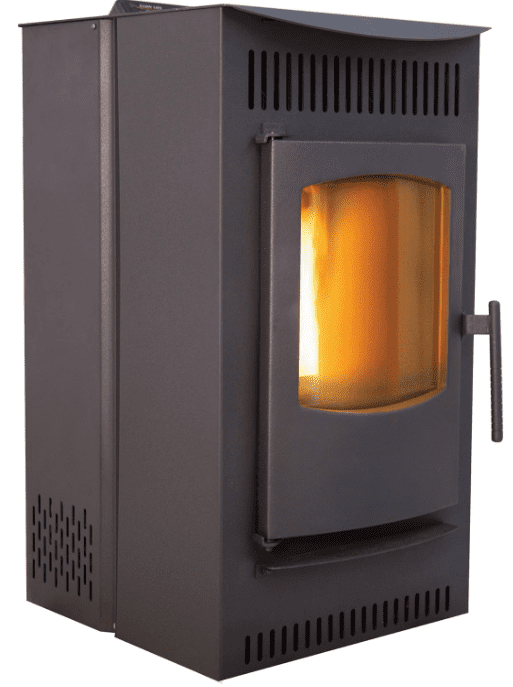
- Castle Serenity 1,500 sq ft Pellet Stove: Compact, efficient, and suitable for medium-sized greenhouses.
- US Stove or Englander: Small pellet stoves easily adapted for greenhouse use.
4. Solar Thermal or Geothermal Systems
Emerging high-efficiency options, but with a high upfront cost.
- Pros: Extremely low running cost after installation, environmentally friendly.
- Cons: Very high initial investment, performance depends heavily on sunlight or ground conditions.
Best options currently available:
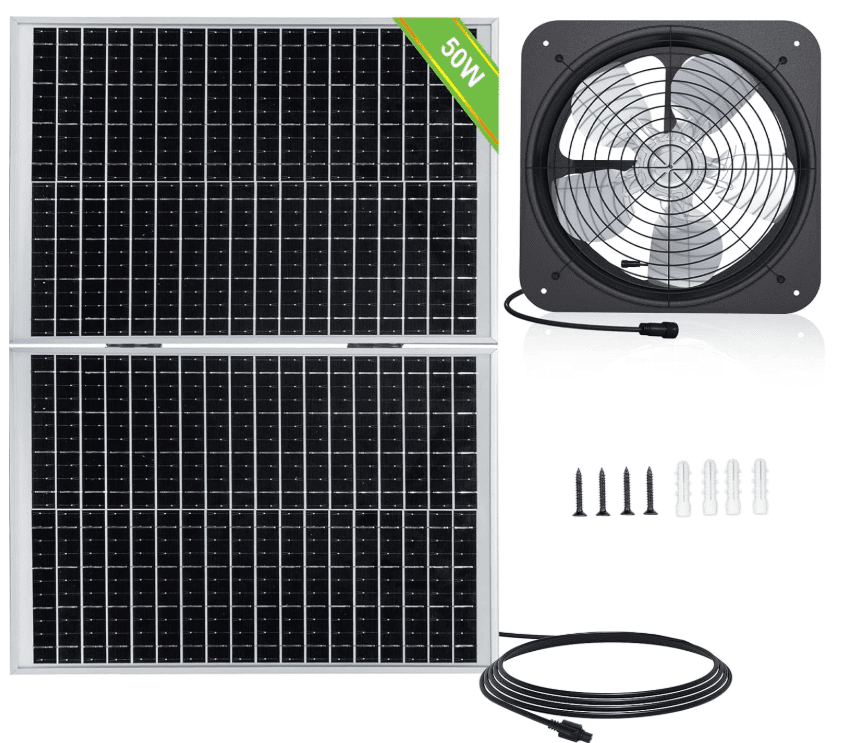
- Portable solar air heaters and solar panel greenhouse heater kits that circulate warm air.
How to Size a Greenhouse Furnace Correctly
Do not guess your heater size. Here is the simple but highly effective formula. I use it on every single project.
The Grower’s BTU Formula
Required BTU = Greenhouse Square Footage × (1.5 to 2.5) × Temperature Difference
Let’s run a real example:
- You have a 20×30 ft greenhouse = 600 sq ft
- You want to maintain 55°F inside when it’s 15°F outside = 40°F difference
- Calculation: 600 × 2.0 × 40 = 48,000 BTU minimum
Pro Tip: I always add a 20–30% safety factor for incredibly windy nights and poor insulation.
2026 Cost Breakdown (Real Numbers from Recent Projects)
Average Running Costs (Per Average Cold Month):
- Propane: $120 – $350
- Natural gas: $80 – $250
- Electric: $180 – $450 (depending heavily on local utility rates)
Step-by-Step: How to Install a Greenhouse Furnace Safely
- Choose a location: mount it centrally or near the coldest end to ensure excellent airflow.
- Install proper venting: This is absolutely critical for gas and propane units to prevent toxic buildup.
- Add detectors: Always install carbon monoxide (CO) and propane detectors inside the structure.
- Set your thermostat: Use a dedicated agricultural thermostat with a 5–10°F differential.
- Insulate and seal: Do this first! Sealing drafts cuts heating costs by 30–50%.
- Test the system: Always thoroughly test your furnace before the first hard freeze.
If you have a greenhouse (or are planning one), tell me the size, your climate zone, and whether you prefer gas, electric, or other fuel in the comments. I’ll give you the exact system I would install in your situation.
FAQ – Greenhouse Heating Questions I Get Every Week
What is the cheapest way to heat a greenhouse?
Propane unit heaters are the most cost-effective choice in most areas, followed closely by wood stoves if you have a steady, free supply of firewood.
Can I use a residential furnace in a greenhouse?
No. Residential furnaces are not designed for high-humidity, dusty environments. The internal components will rust, short out, and fail very quickly in a greenhouse setting.
How much does it cost to heat a greenhouse all winter?
It depends entirely on the size of the structure and your climate, but you should expect to spend $150 to $600 per month to heat an average hobby greenhouse through the coldest parts of winter.
Are there good solar options in 2026?
Yes, solar thermal technology has improved, but it works best as a supplemental heat source unless you have the budget for a very large, expensive battery bank to carry you through cloudy days and long nights.