
















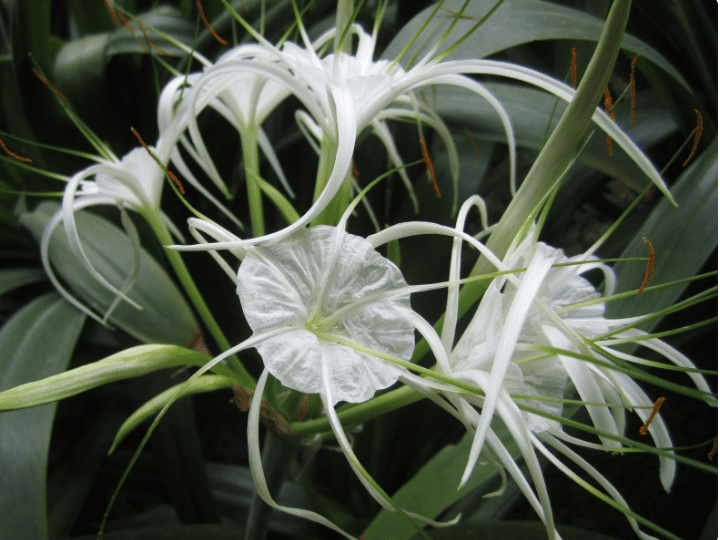
With its slender, dramatic petals arching outwards like delicate spider legs and an intoxicating vanilla-like fragrance, the Tropical Spider Lily (Hymenocallis speciosa) is a show-stopping addition to any summer garden.
Native to the balmy Caribbean and South America, this exotic bulb is surprisingly easy to grow if you understand its tropical origins. However, many gardeners confuse it with the Red Spider Lily (Lycoris radiata) and make fatal mistakes during the winter months.
Here is your complete contractor-approved guide to planting, watering, and overwintering the beautiful white Spider Lily.
Spider Lily Care at a Glance
Planting Spider Lily Bulbs

Timing is everything when it comes to tropical bulbs. You must wait to plant your Hymenocallis until late spring or early summer, well after the danger of the last frost has passed and the soil has warmed.
- Soil Preparation: Spider Lilies love organic matter. Mix a generous amount of compost into your planting bed to ensure the soil is rich but drains quickly. If they sit in standing water, the bulbs will rot.
- Planting Depth: Plant the bulbs with the “neck” (the pointy top part) just slightly above or exactly level with the soil line. Planting them too deep is the number one reason they refuse to bloom.
- Spacing: Space the bulbs 6 to 8 inches apart to allow room for the broad, strap-like leaves to fan out.
Watering and Fertilization
Because they originate in tropical environments, Spider Lilies need consistent moisture during their active growing season. Aim for a deep watering once a week, but always check the top inch of the soil first. If it is still wet, wait a few days.
To encourage those massive, fragrant white blooms, feed the plants with a balanced, slow-release bulb fertilizer (like a 5-10-5 organic blend) every four to six weeks once the green shoots appear. Stop fertilizing completely by late summer.
Pest and Disease Management
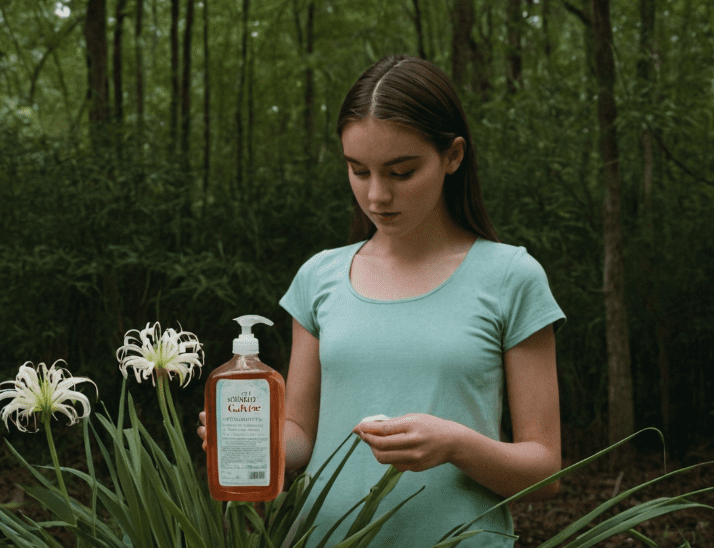
The thick, fleshy leaves of the Spider Lily are generally highly resistant to disease, but they can be a magnet for garden pests like aphids, spider mites, and especially snails and slugs during the rainy season.
Regularly inspect the undersides of the leaves. If you spot aphids or mite webbing, treat the foliage in the early evening with a high-quality organic insecticidal soap.

Crucial Winter Care (Do Not Skip!)
If you live in USDA Zones 9, 10, or 11, you can leave your Spider Lilies in the ground year-round. A light layer of mulch will protect them through mild winters.
However, if you live in Zone 8 or colder, winter frost will kill the bulbs. You must treat them like Dahlias or Cannas. After the foliage begins to yellow in the fall, cut the leaves back, carefully dig up the bulbs, brush off the dirt, and store them indoors in a cool, dry, dark place (like a basement) in a box of dry peat moss until next spring.