













Wild American Ginseng (Panax quinquefolius) is one of the most highly sought-after and legally protected woodland medicinal plants in North America. Because mature roots can fetch hundreds of dollars per pound, the plant has been severely overharvested and is now closely monitored by the Convention on International Trade in Endangered Species (CITES).
Foraging for wild ginseng is not like harvesting backyard tomatoes. It is a highly regulated practice that requires deep ecological stewardship. If you want to hunt for “sang” in the Appalachian or Midwestern hardwood forests, you must know how to identify mature plants, follow state laws, and practice sustainable harvesting to ensure the plant’s survival for future generations.
Identifying Mature Ginseng: The “3-Prong Rule”
Harvesting immature ginseng is illegal and highly unethical. A plant must be at least five years old before it can be legally dug up in most states. But how do you tell the age of a wild root without digging it up?
- Count the Prongs (Leaves): A mature ginseng plant will have at least three (and preferably four) “prongs” or leaf stems branching off the main stalk. Each prong typically has five leaflets. If the plant only has one or two prongs, leave it alone.
- Look for Red Berries: mature plants produce a cluster of bright crimson berries in the late summer and early fall. These berries contain the seeds necessary for the plant’s reproduction.
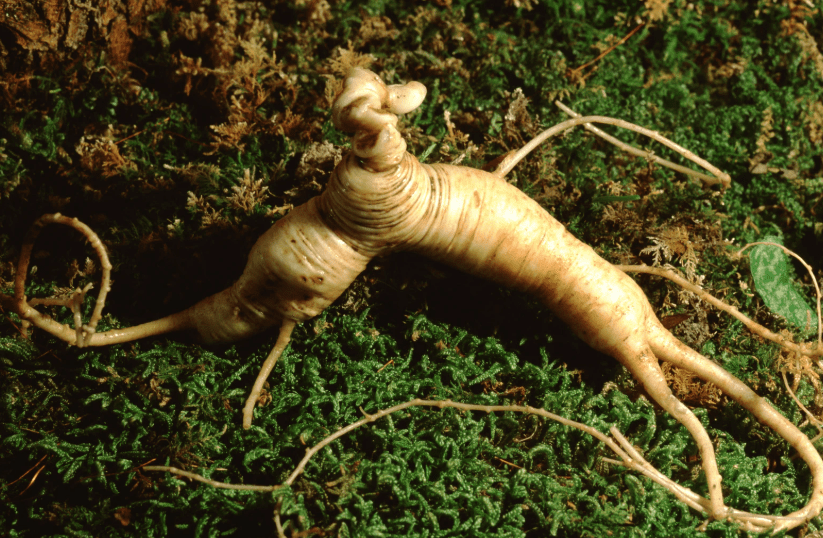
- Count the Neck Scars: Once you begin digging, look at the root’s “neck” (rhizome). Every year, the plant stem dies back, leaving a distinct scar. A legal root must have at least four distinct stem scars on the rhizome.
The Sustainable Harvesting Process
Navigating Ginseng Regulations and Seasons
Ginseng harvest regulations are incredibly strict and act as the “fences” protecting this vulnerable species. In the 19 states where harvesting is legal, the season generally runs from September 1st through December 31st.
However, rules vary drastically depending on your location:
- Public vs. Private Land: Harvesting on National Park land is strictly prohibited and carries severe federal penalties. To harvest on National Forest land or state-owned land, you usually must purchase a special permit.
- Private Property: You must have written permission from the landowner to harvest wild ginseng on private property.
- Exporting: If you plan to sell the roots across state lines or internationally, they must be certified by a state inspector to prove they were legally and sustainably harvested.
Wild-Simulated Forest Farming: The Future of Ginseng
Because wild habitats (under the canopies of sugar maples and tulip poplars) are shrinking due to logging and invasive species, many landowners are turning to wild-simulated forest farming.
This permaculture approach involves planting stratified ginseng seeds in naturally shaded, undisturbed hardwood forests on your own property. You let nature do the work for 7 to 10 years without tilling or applying pesticides. When harvested, these roots look identical to wild roots and fetch the same premium prices, completely avoiding the legal and ethical dilemmas of foraging on public lands.