














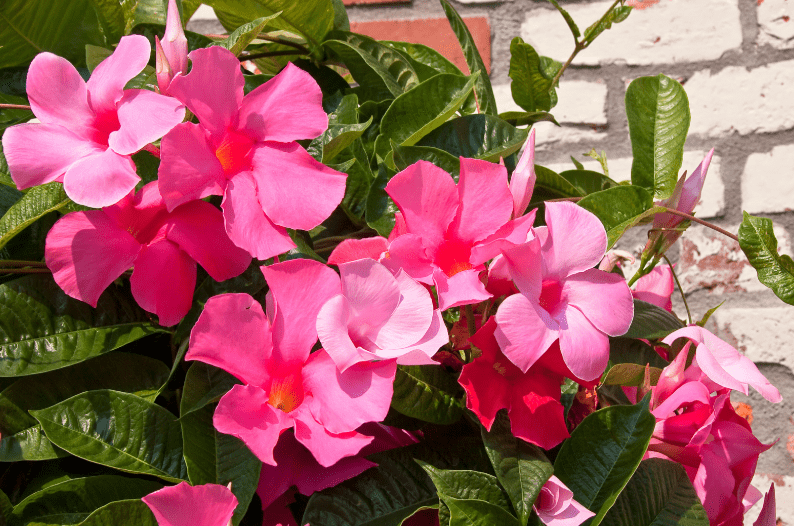
With their explosive, trumpet-shaped tropical blooms and lush climbing vines, Mandevilla plants are the undisputed stars of the summer patio. However, because they are native to the tropical climates of Central and South America, they have zero tolerance for freezing temperatures.
If you live in USDA Hardiness Zones 8 or below, leaving your Mandevilla outside during the winter is a guaranteed death sentence. Once temperatures drop below 50°F (10°C), the plant will suffer severe cell damage, resulting in blackened leaves and mushy stems.
Fortunately, you don’t have to throw this expensive tropical vine away every fall. With the right preparation, you can keep it alive until spring. Here is a contractor-approved guide on the two best ways to overwinter your Mandevilla indoors, along with expert tips on pest control and spring repotting.
When to Bring Your Mandevilla Indoors (And The Trellis Dilemma)
Timing is critical. Do not wait for the local news to issue a frost warning. You should begin transitioning your Mandevilla indoors as soon as nighttime temperatures consistently dip below 55°F (12°C).
What to do with the Trellis?
One of the biggest challenges gardeners face is dealing with a 6-foot vine tightly woven through a metal or wooden trellis. Should you untangle it?
The Expert Answer: Don’t waste your time untangling it. The vines are brittle and will break anyway. Simply use sharp, sterilized bypass pruners to cut the vines back to about 12 to 18 inches above the soil line. Mandevillas are incredibly vigorous growers; cutting them back heavily now will actually encourage bushier, healthier growth next spring.
Option 1: Overwintering as a Houseplant (Active Growth)
If you have the space and a very sunny window, you can keep your Mandevilla actively growing (and occasionally blooming) all winter long. Treat it like a high-maintenance tropical houseplant.
- Light Requirements: The plant needs maximum sunlight to survive indoors. Place it in a South or West-facing window where it will receive at least 6 to 8 hours of bright, indirect light. If your home lacks natural light, you will need to supplement it with a full-spectrum LED grow light.
- Temperature & Humidity: Keep the room temperature between 60°F and 70°F (15-21°C). Because indoor winter heating makes the air notoriously dry, you must mist the leaves daily or place the pot on a pebble tray filled with water to boost local humidity.
- Watering & Feeding: Reduce your watering schedule significantly. Only water when the top 2 inches of the potting soil feel completely dry to the touch. Stop applying fertilizer entirely; the plant needs a rest period, and excess fertilizer can cause root salt burn.
Note: It is completely normal for the plant to drop a significant amount of its leaves due to the shock of moving indoors and the sudden reduction in sunlight. Do not panic and do not overwater it to compensate.
Option 2: Forced Dormancy (The Garage/Basement Method)
If you don’t have a sunny window, or you simply don’t want a massive vine taking up your living room, forced dormancy is the easiest and safest overwintering method.
Beware of Winter Indoor Pests
When you bring tropical plants indoors, the dry, warm air from your furnace creates the ultimate breeding ground for pests. Spider mites and aphids are notorious for attacking Mandevillas in the winter.
Check the undersides of the leaves weekly. If you notice tiny webbing (spider mites) or sticky residue on the leaves (aphid honeydew), immediately wipe the leaves down with a damp cloth and apply a high-quality organic Neem oil spray. Doing this early prevents a full-blown infestation from spreading to your other houseplants.
Waking Up Your Mandevilla in the Spring
Do not rush to move your Mandevilla outside as soon as the snow melts. Wait until the danger of all frost has passed and nighttime temperatures are consistently above 60°F (15°C).
About three weeks before moving it outside, bring your dormant plant out of the dark and into a sunny window. This is the perfect time to repot it. Gently remove the plant, tease the roots apart, and place it in a slightly larger pot with fresh, well-draining potting soil. Give it a deep watering and a half-strength dose of liquid fertilizer to kickstart its spring growth.
Finally, you must “harden off” the plant. Place the pot in a heavily shaded, protected spot outside for a few hours a day, gradually increasing its exposure to the sun over a period of two weeks to prevent severe leaf sunburn.