















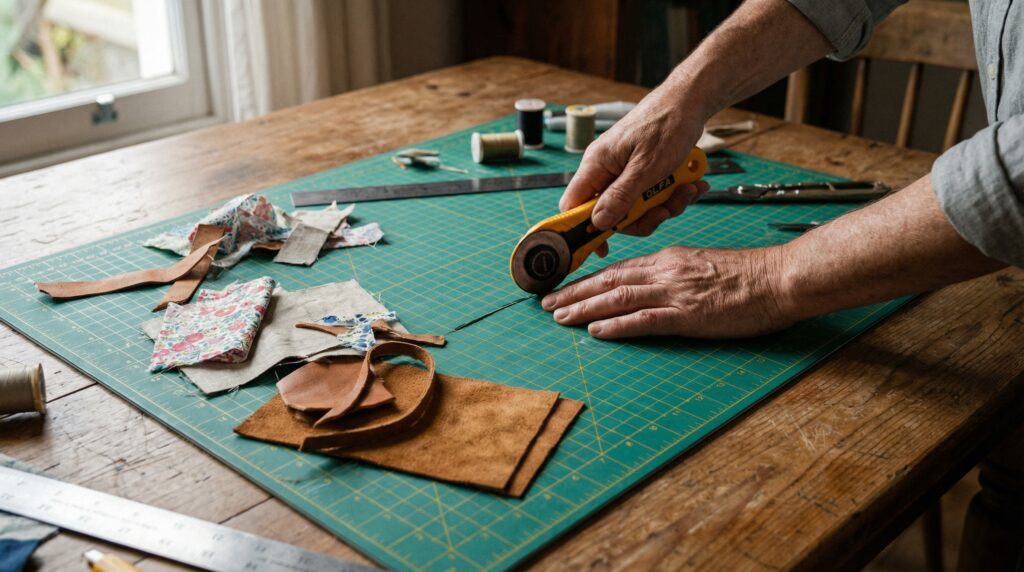
I used to do all my sewing, leatherwork, quilting, and general DIY crafting directly on the dining room table or on whatever scrap cardboard I could find. One Saturday afternoon, my rotary cutter slipped while I was cutting a large piece of vinyl for a bag project. The blade went straight through the material and gouged a deep, ugly scratch into the wooden table. That expensive mistake finally forced me to do what I had been putting off for years: buy a proper self healing cutting mat.
The difference was immediate and dramatic. My cuts became cleaner and more accurate, my blades lasted ten times longer, and my furniture stayed safe. After a full year of heavy daily use on everything from fabric to leather to vinyl, I can confidently say a good cutting mat self healing model is one of the smartest, highest-ROI tools any home crafter or DIYer can own.
This full guide will tell you everything you need to know about these “magical” mats, including what they are, how they work, why size matters, how to clean and care for them, and which ones are worth buying in 2026.
The Dining Table Disaster (Why I Finally Bought One)
Before I owned a self healing cutting mat, every project carried a risk. A slipped blade, a slightly off-angle cut, or even pressing too hard meant damaging whatever surface was underneath. I ruined two tables and countless countertops over the years. The worst part? The damage was permanent and expensive to fix.
A self-healing mat is basically insurance for your workspace and your tools. It protects the table, keeps your rotary blades sharper longer, and gives you a perfectly flat, gridded surface for accurate measuring and cutting. Once I started using one, my projects looked more professional and I stopped wasting time and money on repairs. If you do any amount of crafting, sewing, or leatherwork, this is the one tool that pays for itself almost immediately.
What Is a Self Healing Cutting Mat & How Do They Work?
If you are wondering what is a self healing cutting mat, it is a thick, flexible mat made from multiple layers of special PVC or vinyl compounds that are pressed tightly together under high pressure. But how do self healing cutting mats work?
When you cut into it with a rotary cutter or craft knife, the blade doesn’t actually permanently slice through the material. Instead, the blade separates the tiny fibers or “cells” of the PVC. As soon as you lift the blade, those fibers close back together, “healing” the cut and leaving the surface almost completely smooth again.
This self-healing property is why the mats last for years, even with daily use. The surface stays flat and usable far longer than a regular cutting board or cardboard. A high-quality mat can withstand thousands of cuts before it starts to show permanent grooves.
Why Size Matters: The Magic of a Large Self-Healing Cutting Mat
Size is everything when it comes to comfort and accuracy. A tiny 12×18-inch mat forces you to work in cramped sections and constantly reposition your material. A large self healing cutting mat (24×36 inches or bigger) lets you lay out full pattern pieces, measure long strips, and cut without moving the fabric.
I went straight for a 24×36-inch mat and have never regretted it. I can cut multiple garment pieces at once, lay out leather hides, and even use it as a large work surface for painting or gluing. If your table can fit it, buy the biggest mat you can afford. You will use every inch of it.
How to Clean a Self-Healing Cutting Mat (Maintenance Guide)
A self-healing cutting mat will last longer and stay flatter if you clean it properly. If you are wondering how do you clean a self healing cutting mat, here is the exact DIY method I use every few months:
- Remove the mat from the table and lay it flat in a bathtub or on a large tarp outdoors.
- Fill a basin with room-temperature water and a few drops of mild dish soap.
- Gently scrub the surface with a soft-bristle brush or a clean mushroom brush to lift trapped fibers, lint, and residue.
- Rinse thoroughly with cool water (never hot — heat can warp the PVC).
- Stand the mat on edge and let it air-dry completely before using it again.
Never use harsh chemicals, bleach, or abrasive pads. Hot water, direct sunlight, or leaving the mat in a hot car will cause permanent warping.
My Top Picks for 2026 (The Best Self Healing Cutting Mats)
After testing several brands over the past year, these are the ones I recommend for home crafters:
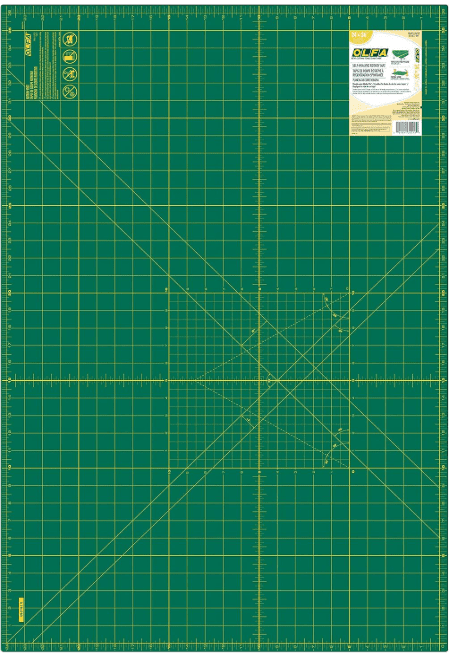
1. The Premium Standard: Olfa Self-Healing Cutting Mat
Olfa is the gold standard in the industry. Their self-healing cutting mats are thicker, heal better, and last significantly longer than cheaper alternatives. The grid lines are crisp and accurate, and the surface stays flat even after heavy use. If you want the best and plan to use the mat daily, Olfa is worth every penny.
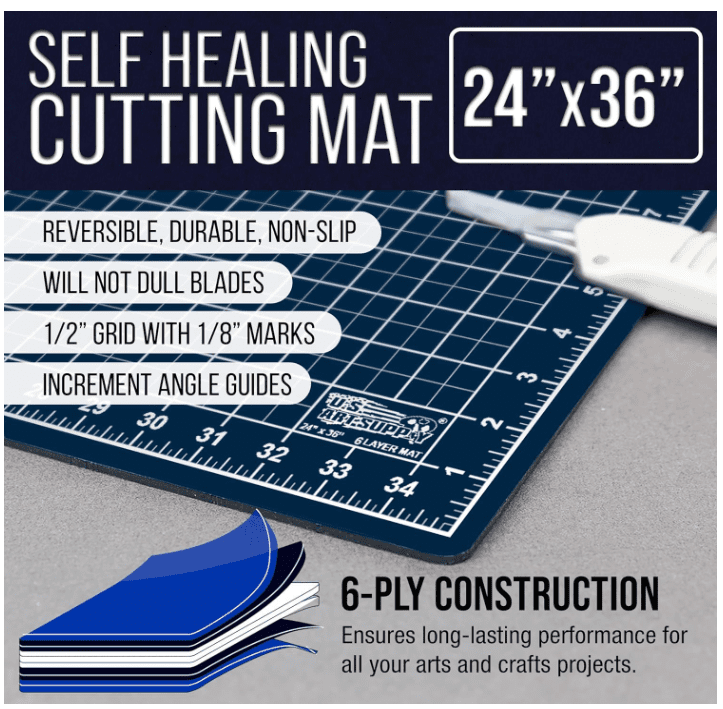
2. The Best Large/Budget Option: US Art Supply
For crafters who need a big surface without spending a fortune, US Art Supply offers an excellent large self healing cutting mat. Their 24×36 and 36×48 inch sizes are a fantastic value and perform surprisingly close to the premium brands for occasional to moderate use.
Frequently Asked Questions
What is a self healing cutting mat made of?
Most quality self-healing cutting mats are made of solid PVC vinyl layers that are compressed under high pressure. The material is designed to safely separate when cut and then close back together.
How do self healing cutting mats work?
The blade passes between the tightly pressed PVC compounds rather than slicing through them permanently. When the blade is removed, the material rebounds and the cut “heals” itself, leaving a smooth surface.
How to clean a self healing cutting mat?
Soak it in cool water with a little mild dish soap for 15 minutes, then gently scrub with a soft brush to remove lint. Rinse thoroughly with cool water and air-dry flat or on edge. Never use hot water or harsh cleaners.
Final Thoughts from My Own Crafting Table
Switching to a proper self healing cutting mat was one of the smartest upgrades I have made for my DIY and sewing projects. My cuts are cleaner, my blades stay sharp longer, and I no longer worry about damaging furniture or floors. The investment pays for itself quickly in time saved and materials preserved.
If you are still cutting on cardboard or directly on your table, do yourself a favor and get a good self healing cutting mat. Your projects — and your furniture — will thank you.
Want More DIY & Crafting Hacks? ✂️
Using the right tools completely changed how I tackle my home projects. If you want more step-by-step DIY guides, honest tool reviews, and real-world money-saving tips for your home and hobbies, head over to our homepage and join our free email newsletter!
You’ll get the smartest homeowner blueprints directly to your inbox—completely spam-free. Let’s create something great!