



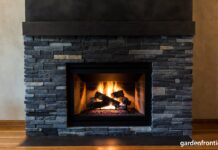









I installed a soapstone fireplace surround and hearth three years ago. The decision came after watching my old brick fireplace crack and stain year after year. I wanted a material that could handle real heat without constant, tedious maintenance.
I quickly discovered that soapstone fireplaces combine raw beauty, extreme durability, and incredible heat retention. They absorb heat quickly and radiate it slowly for hours after the fire dies down, making them one of the most efficient choices for any home.
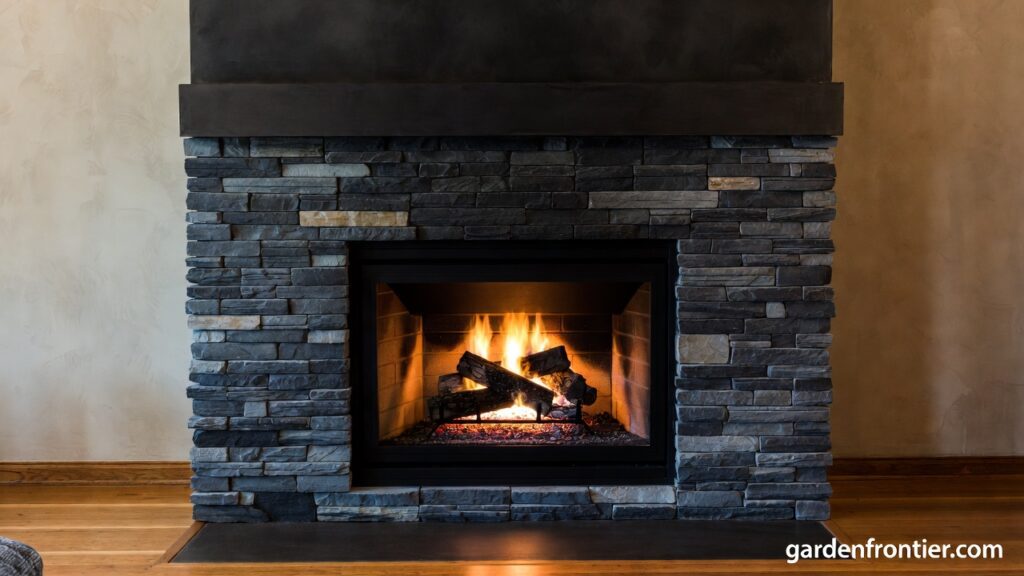
What Makes Soapstone Ideal for Fireplaces?
Soapstone is a metamorphic rock made naturally of talc and magnesite. This unique composition makes it incredibly dense and 100% non-porous. These properties provide it outstanding thermal-shock resistance and an unmatched ability to store and radiate warmth.
Unlike marble or quartz, using soapstone for fireplace projects means you never have to worry about cracking from sudden temperature changes. It handles direct contact with hot embers beautifully. The soft, matte finish also never gets so hot as to be painful to the touch, making a soapstone fireplace hearth incredibly safe for kids and pets to sit near.
Slabs, Tiles, and Bricks: Installation Options
Using solid slabs of soapstone for fireplace surround designs offers a seamless, premium look, but it can be expensive. If you are on a budget, you have excellent alternatives.
Installing a soapstone tile fireplace gives you the exact same radiant heat benefits at a fraction of the slab cost. Alternatively, many homeowners are now using solid soapstone fireplace bricks to line the inside of their actual firebox, maximizing the amount of heat pushed back into the living room.
Inserts and Premium Brands
If you have an existing masonry chimney that loses all its heat up the flue, a heavy-duty soapstone fireplace insert is the ultimate efficiency upgrade. It slides right into the opening and transforms a drafty hearth into a primary heat source.
When shopping for premium units, two names dominate the industry. A true tulikivi soapstone fireplace (often searched as soapstone fireplace tulikivi) is the global gold standard for massive, masonry-style radiant heaters. If you want a more traditional freestanding wood stove style, a Woodstock soapstone fireplace offers legendary American-made craftsmanship and incredible burn times.
The Truth About Maintenance: Do Not Use Sealer!
Many contractors mistakenly treat soapstone like granite. Soapstone is completely non-porous; it will not absorb penetrating stone sealers. If you apply a standard sealer, it will just sit on the surface and become a sticky mess.
Unfinished soapstone is a light, dusty gray. To achieve that rich, charcoal-black look with popping white veins, you only need to apply food-grade mineral oil or specialized soapstone wax. The stone simply oxidizes and darkens beautifully over time.
DIY Soapstone Maintenance Products I Actually Use
You do not need expensive, toxic chemicals to keep soapstone looking flawless. These are the only two products you will ever need to maintain that gorgeous, dark finish.
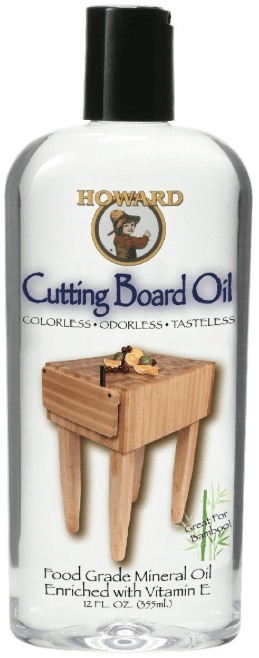
Howard 100% Pure Food Grade Mineral Oil
This is the industry standard for darkening new soapstone. You apply it, allow the stone to oxidize, and then wipe off the excess. It is completely non-toxic and odorless.
- Pros: Extremely cheap, safe for kids and pets, and darkens the stone instantly.
- Cons: Requires multiple applications during the first year as the oil evaporates.
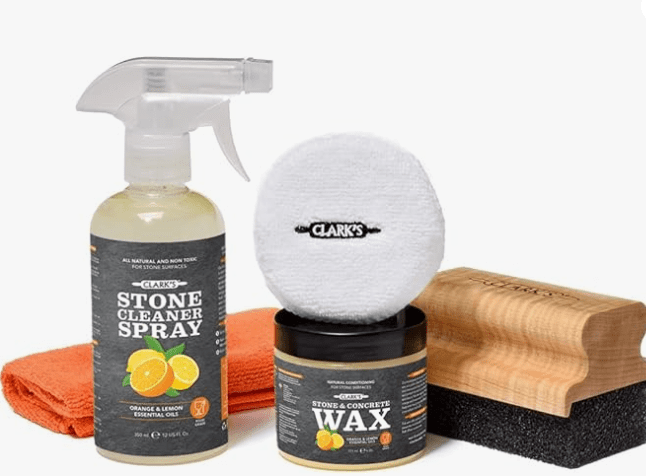
CLARK’S Soapstone and Concrete Wax
Once your stone has reached your desired darkness, I highly recommend switching to this beeswax and carnauba blend. It locks in the color much longer than plain oil.
- Pros: Lasts significantly longer than mineral oil, creates a subtle, beautiful satin sheen.
- Cons: Takes a bit more elbow grease to buff out than liquid oil.
Frequently Asked Questions
Do soapstone fireplaces hold heat well?
Yes, soapstone has twice the heat capacity of steel or cast iron. Tulikivi soapstone fireplaces and inserts absorb the intense heat of the fire and radiate it gently into the room for up to 12 hours after the fire has completely burned out.
How much does a soapstone fireplace surround cost?
A custom soapstone fireplace surround typically costs between $85 and $140 per square foot for the material alone. With fabrication and installation, a standard surround and hearth will cost between $3,500 and $6,000, depending on the complexity of the cuts.
Should I seal a soapstone fireplace hearth?
No, you should never apply chemical sealers to soapstone because it is entirely non-porous. To protect the stone and achieve a dark, rich color, treat it only with pure mineral oil or a specialized soapstone wax.
Final Thoughts
I installed a soapstone fireplace surround and hearth three years ago. The decision came after watching my old brick fireplace crack and stain year after year. I wanted a material that could handle real heat without constant, tedious maintenance.
I quickly discovered that soapstone fireplaces combine raw beauty, extreme durability, and incredible heat retention. They absorb heat quickly and radiate it slowly for hours after the fire dies down, making them one of the most efficient choices for any home.
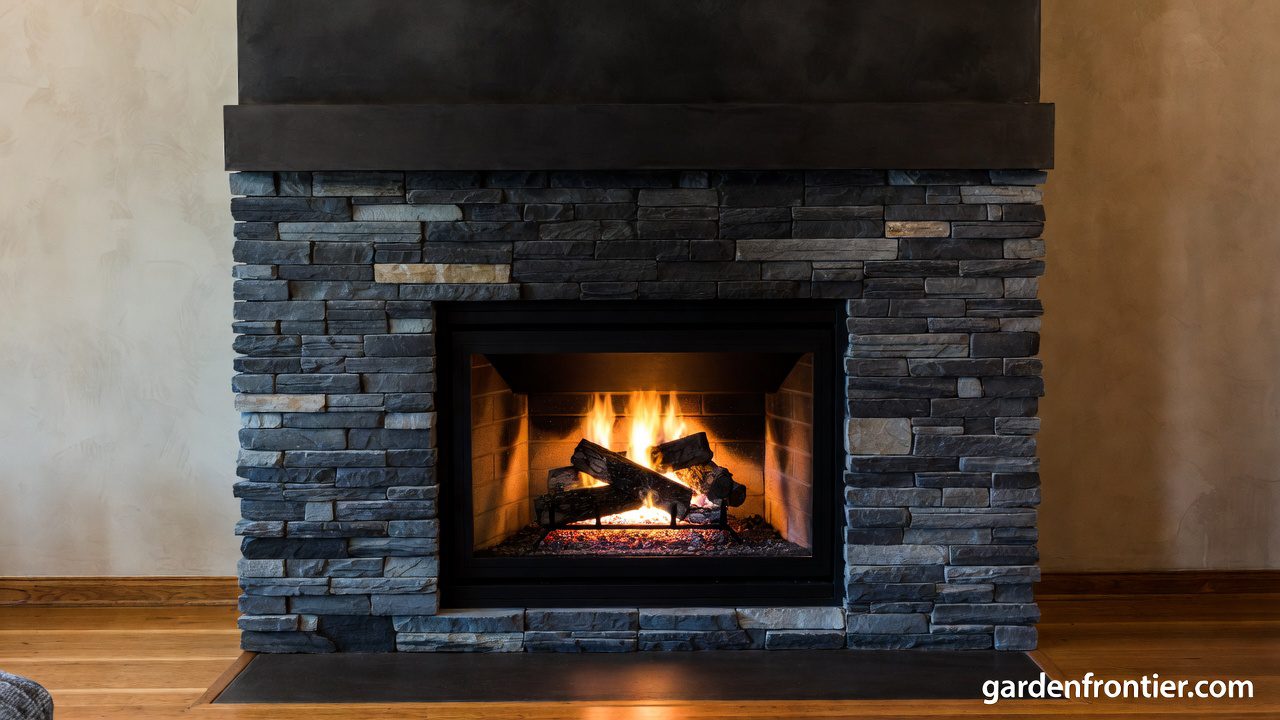
What Makes Soapstone Ideal for Fireplaces?
Soapstone is a metamorphic rock made naturally of talc and magnesite. This unique composition makes it incredibly dense and 100% non-porous. These properties give it outstanding thermal shock resistance and the unmatched ability to store and radiate warmth.
Unlike marble or quartz, using soapstone for fireplace projects means you never have to worry about cracking from sudden temperature changes. It handles direct contact with hot embers beautifully. The soft, matte finish also never gets painfully blistering hot to the touch, making a soapstone fireplace hearth incredibly safe for kids and pets to sit near.
Slabs, Tiles, and Bricks: Installation Options
Using solid slabs of soapstone for fireplace surround designs offers a seamless, premium look, but it can be expensive. If you are on a budget, you have excellent alternatives.
Installing a soapstone tile fireplace gives you the exact same radiant heat benefits at a fraction of the slab cost. Alternatively, many homeowners are now using solid soapstone fireplace bricks to line the inside of their actual firebox, maximizing the amount of heat pushed back into the living room.
Inserts and Premium Brands
If you have an existing masonry chimney that loses all its heat up the flue, a heavy-duty soapstone fireplace insert is the ultimate efficiency upgrade. It slides right into the opening and transforms a drafty hearth into a primary heat source.
When shopping for premium units, two names dominate the industry. A true tulikivi soapstone fireplace (often searched as soapstone fireplace tulikivi) is the global gold standard for massive, masonry-style radiant heaters. If you want a more traditional freestanding wood stove style, a woodstock soapstone fireplace offers legendary American-made craftsmanship and incredible burn times.
The Truth About Maintenance: Do Not Use Sealer!
Many contractors mistakenly treat soapstone like granite. Soapstone is completely non-porous; it will not absorb penetrating stone sealers. If you apply a standard sealer, it will just sit on the surface and become a sticky mess.
Unfinished soapstone is a light, dusty gray. To achieve that rich, charcoal-black look with popping white veins, you only need to apply food-grade mineral oil or specialized soapstone wax. The stone simply oxidizes and darkens beautifully over time.
Frequently Asked Questions
Do soapstone fireplaces hold heat well?
Yes, soapstone has twice the heat capacity of steel or cast iron. Tulikivi soapstone fireplaces and inserts absorb the intense heat of the fire and radiate it gently into the room for up to 12 hours after the fire has completely burned out.
How much does a soapstone fireplace surround cost?
A custom soapstone fireplace surround typically costs between $85 and $140 per square foot for the material alone. With fabrication and installation, a standard surround and hearth will cost between $3,500 and $6,000 depending on the complexity of the cuts.
Should I seal a soapstone fireplace hearth?
No, you should never apply chemical sealers to soapstone because it is entirely non-porous. To protect the stone and achieve a dark, rich color, treat it only with pure mineral oil or a specialized soapstone wax.
Final Thoughts
Whether you are installing a custom slab surround, an efficient soapstone fireplace insert, or simply laying down a protective hearth, this stone is a phenomenal investment. It handles extreme temperatures flawlessly and retains heat better than almost any other natural material on earth.
My soapstone surround has transformed the way my family uses our living room in the winter. The radiant heat is incredibly comforting, and watching the stone age and develop a natural patina is a joy.
If you are trying to decide between granite fireplaces, marble, or soapstone, and you plan to burn real wood, soapstone wins every time. Have a question about your specific fireplace layout? Drop it in the comments below!