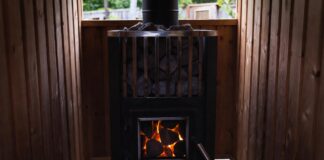



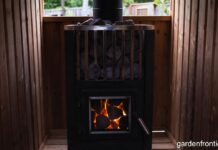

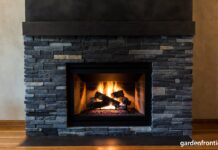











I used to rely completely on a standard steel wood stove. It blasted with intense heat for a few hours, but went freezing cold by early morning. My house never stayed comfortably warm overnight. Then, I finally switched to a dedicated soapstone heater. The difference was significant. The heavy stone absorbed the intense heat and radiated it gently for hours after the actual fire died down.
That frustrating experience made me fall in love with thermal mass heating. It is simply one of the most efficient and comfortable ways to heat a home with wood. This guide shares everything I have learned about premium stoves, masonry heaters, and how you can upgrade your current setup.
The Heavyweights: Hearthstone vs. Tulikivi
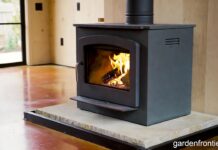
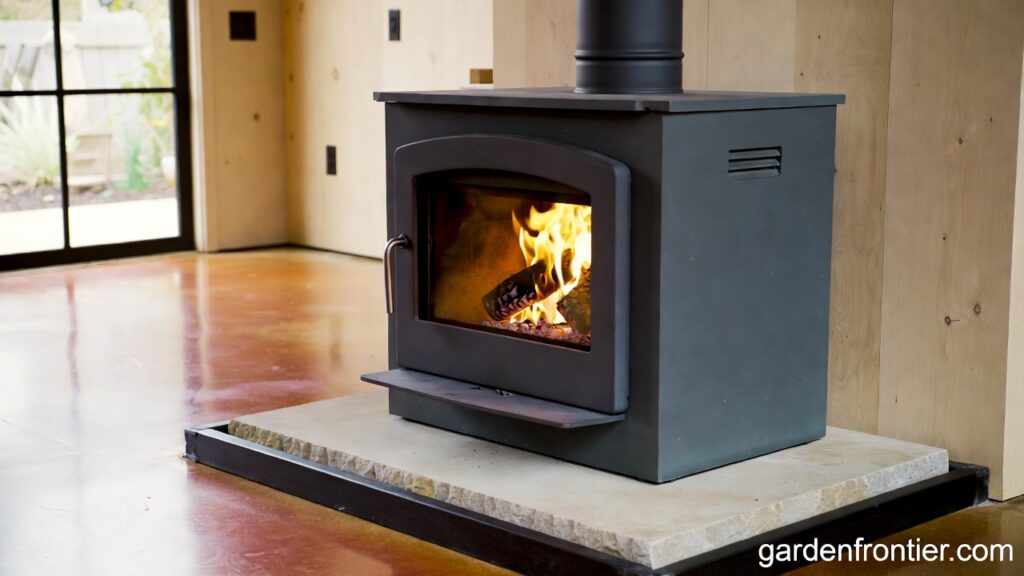
If you are looking to buy a brand new unit, you will quickly encounter two major names. A hearthstone wood stove is an American-made classic. They combine heavy cast-iron or steel internal fireboxes with thick outer soapstone panels. The stone captures the sharp heat and slowly releases it, allowing these freestanding units to heat a room much more evenly than bare steel.
On the other end of the spectrum is the ultimate whole-house solution: a tulikivi masonry heater. These massive Finnish structures are built almost entirely from solid soapstone blocks. They store enormous amounts of thermal energy from a short, hot fire and release it for 12 to 24 hours. They are expensive, require reinforced floors, but are incredibly effective.
I installed a mid-sized Hearthstone in my living room, and it keeps the main floor comfortable all night. However, for huge open-concept homes or off-grid cabins, a Tulikivi is unmatched.
The DIY Upgrade: Soapstone Panels for Wood Stove
You do not need to spend $5,000 on a whole new stove to get the benefits of thermal mass. Buying aftermarket soapstone panels for wood stove applications lets you add mass to an existing steel stove. Many savvy homeowners wrap their current stove with these thick stone slabs.
The panels absorb the aggressive heat during the active burn and release it slowly long after the embers fade. This perfectly evens out the room’s temperature and drastically reduces how often you need to reload fresh wood. It is a highly affordable way to upgrade an older, drafty stove.
The Aesthetics & Safety: Wood Stove Stone Surround
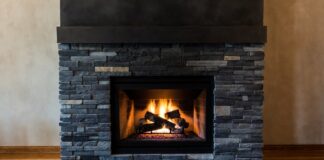
A properly built wood stove stone surround does much more than just look good. It protects combustible drywall from intense heat and dangerous sparks. More importantly, it acts as a massive thermal battery, capturing radiant heat that would otherwise be lost into the wall and reflecting it back into your living space.
I built a simple but heavy stone surround behind my stove using dense soapstone tiles. It immediately satisfied my local fire safety clearance codes and made the freestanding stove look built-in and intentional.
Maintenance Reminder: Do Not Use Chemicals!
Soapstone stoves need very little maintenance. Wipe the surface with a damp cloth when the stove is completely cool. However, to keep that rich, dark charcoal color, you must properly treat the stone.
Never use chemical stone sealers, polishes, or harsh cleaners. When the stove reaches 500°F, those chemicals will burn off, creating toxic, foul-smelling smoke in your house. Simple, food-grade mineral oil or a natural beeswax soapstone blend is all you need.
Safe Soapstone Maintenance Products
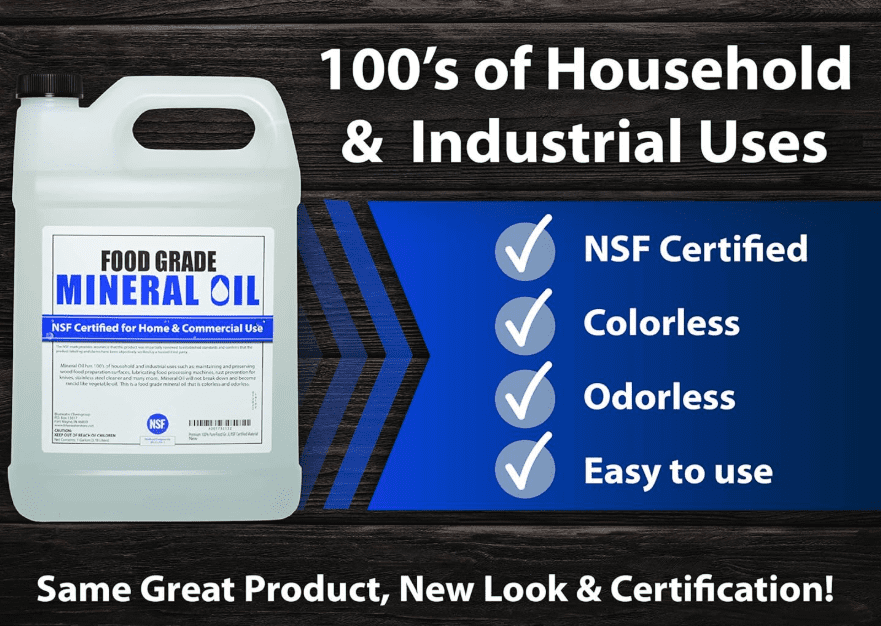
Howard 100% Pure Food Grade Mineral Oil
This is the cheapest and safest way to darken the stone panels on your stove. It will not smoke or smell when the stove gets hot.
- Pros: Safe, odorless, and darkens the stone instantly.
- Cons: It needs to be reapplied several times during the first heating season.
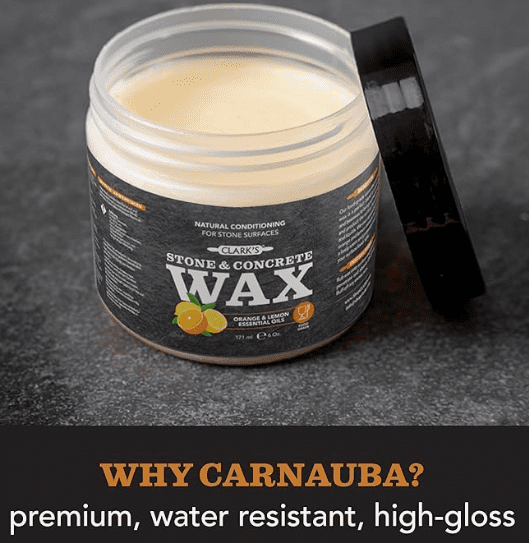
CLARK’S Soapstone and Concrete Wax
For a longer-lasting finish on your stone surround, this wax locks in the dark color better than oil and leaves a beautiful satin sheen.
- Pros: Requires fewer applications and uses a natural beeswax formula.
- Cons: Harder to apply than liquid oil.
Frequently Asked Questions
Why is a soapstone heater better than a steel stove?
A soapstone heater absorbs the aggressive, sharp heat of a wood fire and acts as a thermal battery. While a steel stove goes cold immediately after the fire dies, soapstone radiates gentle, comfortable heat into the room for hours.
Are soapstone panels for a wood stove worth it?
Yes. If you cannot afford a brand-new stove, adding soapstone panels around your existing steel or cast-iron stove will significantly increase its thermal mass, helping stabilize room temperatures and reduce wood consumption.
How heavy is a Tulikivi masonry heater?
A true Tulikivi masonry heater is extremely heavy, often weighing between 2,000 and 6,000 pounds (1,000 to 2,700 kg). You truly must have a reinforced concrete foundation or heavily braced floor joists before installing one.
Final Thoughts
Soapstone wood stoves and massive heaters offer a level of radiant comfort that basic steel stoves simply cannot match. They deliver steady, enjoyable heat long after you have gone to bed and the fire has gone out.
Whether you choose a premium Hearthstone, a huge Tulikivi, or simply add heavy stone panels to your existing stove, the increased comfort and wood efficiency are absolutely worth the investment.
If you are tired of waking up to a freezing house or feeding the stove every two hours, consider upgrading your thermal mass. If you are unsure which stove brand or size fits your specific home, tell me your square footage in the comments below!