
















A failing steam radiator turned my uncle’s historic house into an absolute icebox last winter. The heavy cast-iron pipes banged loudly every single night. Cold air leaked into every room. He felt frustrated, and his heating bills stayed terribly high. I went over to help him repair the system myself. I assumed we just needed to bleed the trapped air out. I quickly learned that traditional 1-pipe steam heating works very differently from modern hot water systems. I am sharing our full experience right here.
This guide explains the magic behind these old iron beasts. You will learn why changing a cheap air vent fixes most heating problems. You will also learn how to quiet those loud, terrifying banging pipes.
How do steam radiators work
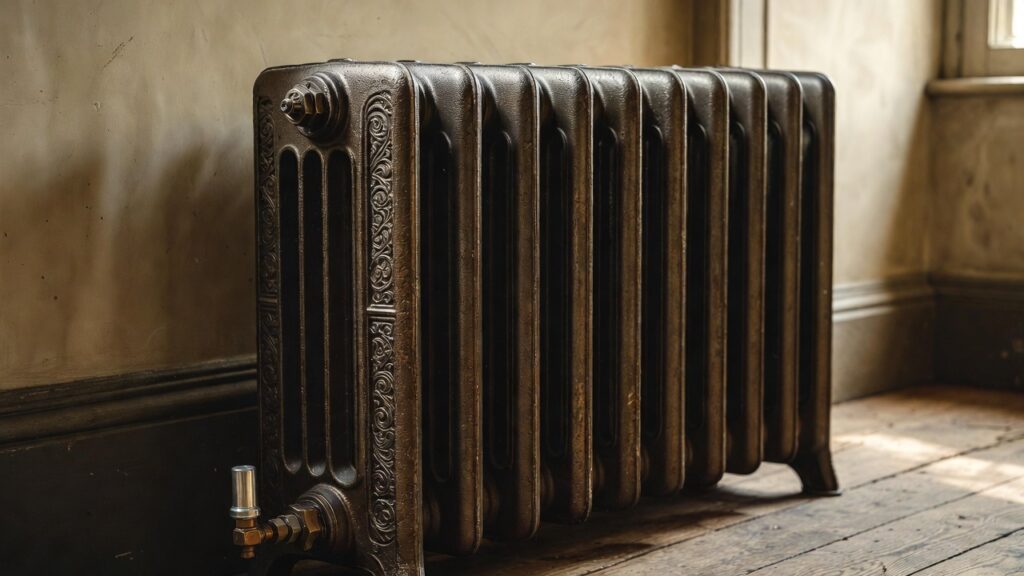
People always ask exactly how do steam radiators work in these older houses. Steam heating relies on basic physics and the boiling point of water. The basement boiler turns water into hot steam. That steam rises naturally through the pipes into the cast-iron bodies. It fills the steam heat radiator and pushes the trapped cold air out.
The cold air escapes through a small vent on the side. The steam then cools down inside the cold metal radiator. It condenses back into liquid water. That water simply flows back down the exact same pipe to the boiler. The cycle repeats all winter long. Problems only arise when vents fail or pipes tilt the wrong way.
steam radiator valves
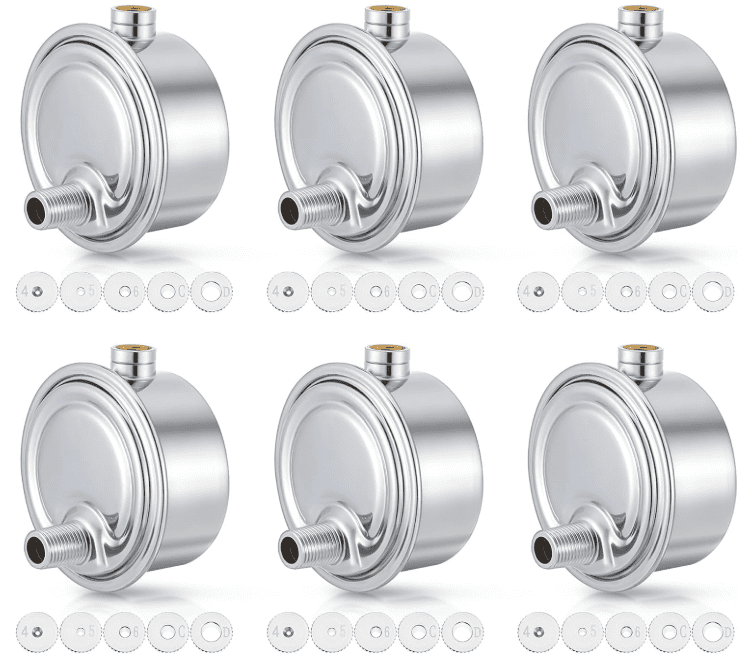
Automatic steam radiator valves completely control airflow. They are the true brains of the heating system. These small silver devices sit securely on the side of each unit. The valve opens to let cold air escape freely. It snaps shut the exact moment hot steam reaches it.
A good steam radiator valve prevents hot steam from leaking into your room. Bad valves get stuck closed or completely blown open. When they fail, your steam radiators will stay completely cold. We replaced every single valve in my uncle’s house.
How to bleed a steam radiator
Homeowners constantly search how to bleed a steam radiator online. The real answer shocks most people. You do not bleed a 1-pipe steam system with a key. That method only applies to modern hot water systems.
Steam systems rely entirely on automatic air vents. If a radiator stays cold, the vent is simply dead. You fix it by unscrewing the broken valve and attaching a new one. Wrap the new threads with Teflon tape first. Turn the boiler on and listen for that familiar hissing sound. The cast iron should heat up within minutes.
Silencing the Loud Banging (Water Hammer)
Loud banging in the pipes is commonly called water hammer. It occurs when incoming steam violently crashes into trapped water. The radiator must tilt slightly toward the main supply pipe. This lets the condensed water drain back to the boiler easily.
My uncle’s historic floors had sagged over the years. Some heavy units tilted the wrong way. I added small wooden shims under the far legs. The violent banging stopped immediately. Proper slope prevents most noise problems entirely.
Frequently Asked Questions
Is steam heat safe?
Yes. Modern residential boilers have extensive safety controls and pressure relief valves. When properly maintained, steam heat is very safe and highly effective.
How long do steam radiators last?
The heavy cast iron bodies can easily last over 100 years without issues. However, the small automatic air vents need to be replaced every 5 to 10 years.
Why is my steam radiator hissing?
Hissing is completely normal for a 1-pipe system. It means the air vent is pushing cold air out to make room for incoming hot air.
Final Thoughts from the Old House
These classic heating systems still heat many older homes beautifully. They deliver comfortable, even warmth when properly maintained. My uncle’s house now stays wonderfully warm and quiet all winter.
The plumbing upgrades were surprisingly simple and very inexpensive. I learned how the system works instead of fighting it. You can easily do the exact same in your home.
If you have questions about your specific setup, tell me your house age and symptoms below. I will gladly share what worked for us.
Want More Old House Fixes? 🏡
Join our growing community of homeowners. Get our smartest DIY blueprints, tool reviews, and energy-saving tips delivered straight to your inbox.
100% Free. No spam. Unsubscribe anytime.