














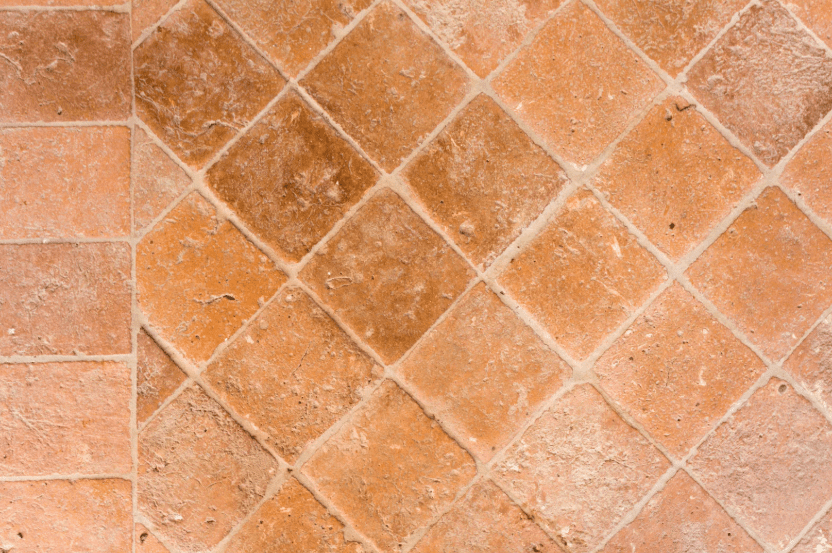
Terracotta floor tiles have graced homes for centuries, bringing warmth and character to spaces with their distinctive earthy tones and natural appeal. Whether you’re renovating an existing space or building new, these clay-based tiles offer unique aesthetic and practical benefits that continue to make them popular despite modern alternatives. Let’s explore everything you need to know about terracotta flooring to determine if it’s the right choice for your home.
What Are Terracotta Floor Tiles?
Terracotta, meaning “baked earth” in Italian, refers to a type of clay-based ceramic that’s fired at relatively low temperatures. The result is a porous material with natural warmth and rich color variations ranging from salmon pink to deep rust. Unlike mass-produced ceramic tiles, authentic terracotta tiles are typically handmade, giving each piece subtle variations that contribute to their artisanal charm.
These tiles have been used since ancient times across Mediterranean regions, with installations in Roman villas and Spanish haciendas that have lasted for centuries, a testament to their remarkable durability when properly maintained.
Types of Terracotta Tiles
Traditional Handmade Tiles
Crafted using methods passed down through generations, these tiles are shaped by hand and dried in the sun before kiln firing. Their irregular edges, slight size variations, and occasional imperfections give spaces an authentic, rustic character impossible to replicate with machine-made products.
Machine-Made Terracotta
More uniform in appearance and often more affordable, machine-made options provide the terracotta look with greater consistency. While lacking some of the character of handmade tiles, they’re easier to install and maintain.
Sealed vs. Unsealed
Terracotta tiles may come pre-sealed or unsealed. Unsealed tiles require immediate sealing after installation to protect their porous surface, while pre-sealed options offer convenience but sometimes at the expense of the material’s natural beauty.
Advantages of Terracotta Flooring
Unmatched Warmth and Character
The earthy, reddish-brown hues of terracotta bring natural warmth to any space. Unlike manufactured materials, terracotta develops a rich patina over time, giving your floor increasing character and depth as it ages.
Thermal Properties
Terracotta’s natural density allows it to absorb heat during the day and release it slowly when temperatures drop, making it particularly suitable for passive solar designs and contributing to energy efficiency.
Durability
Properly sealed and maintained terracotta floors can last for generations. Many European homes still feature original terracotta floors that have endured hundreds of years of use.
Environmentally Friendly
Made from natural clay and typically fired using traditional methods, terracotta has a lower environmental impact than many modern flooring materials. Its longevity also means less frequent replacement.
Considerations Before Installing
Porosity and Sealing Requirements
Terracotta’s natural porosity makes proper sealing essential. Without adequate sealing, these tiles will absorb liquids, stain easily, and be difficult to clean. Plan for initial sealing and regular reapplication according to manufacturer recommendations.
Installation Complexity
Due to variation in sizes, especially with handmade tiles, terracotta installation requires more skill and patience than standard ceramic tile installation. Hiring an experienced installer familiar with terracotta is highly recommended.
Weight Considerations
Terracotta tiles are heavier than many alternative flooring options. Ensure your subfloor can support this additional weight, particularly in upper-story installations.
Climate Suitability
While terracotta works beautifully in most environments, extreme freeze-thaw cycles can potentially damage outdoor installations in cold climates unless specially formulated frost-resistant varieties are used.
Installation Process
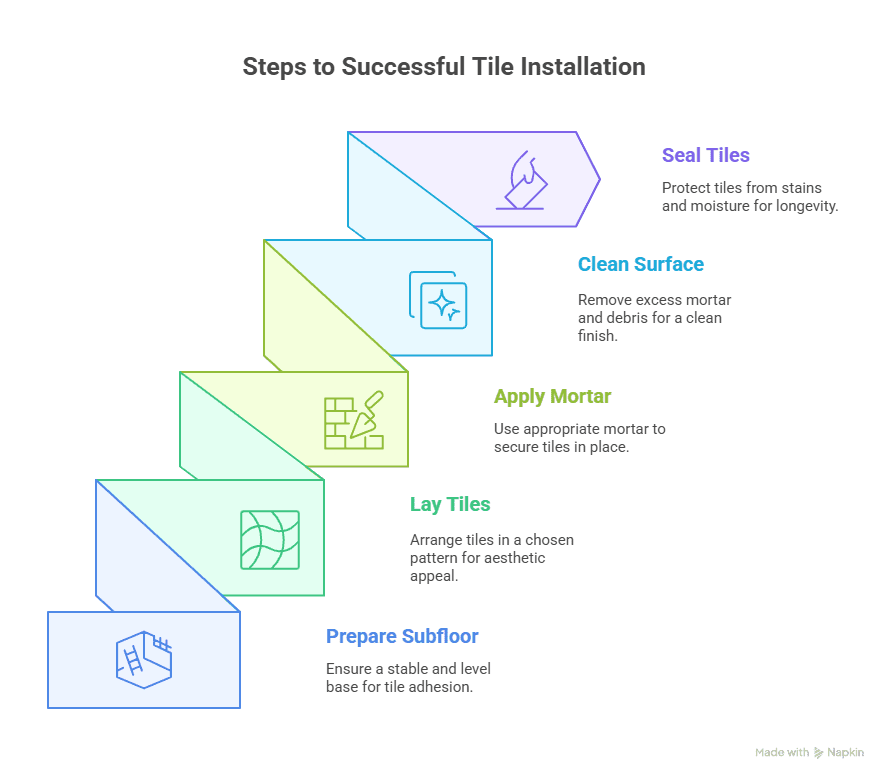
The installation process begins with preparing a stable, level subfloor. Tiles are typically laid in a specific pattern—often a running bond or herringbone design for traditional spaces—and set with appropriate mortar. After installation, thorough cleaning prepares the surface for sealing.
For the most authentic look, wide grout lines accommodate the natural variation of handmade tiles. Traditional installations often use sand-based grouts that complement the rustic nature of terracotta.
Maintenance and Care
Regular Cleaning
Clean terracotta floors with mild, pH-neutral cleaners specifically formulated for natural stone or clay. Avoid acidic cleaning solutions that can damage both the tiles and the sealant.
Periodic Resealing
Depending on traffic and the type of sealant used, terracotta floors require resealing every 2-5 years. Watch for signs like water absorption rather than beading, indicating it’s time to reseal.
Addressing Patina Development
Over time, terracotta develops a natural patina that many homeowners prize. However, if you prefer the original appearance, more frequent sealing and careful maintenance will preserve it longer.
Design Applications
Mediterranean and Spanish Revival
Terracotta flooring is quintessential in Mediterranean-inspired designs, Spanish revival homes, and rustic Italian villas, where it pairs beautifully with whitewashed walls and wooden beams.
Indoor-Outdoor Continuity
Using the same terracotta tiles indoors and in adjacent outdoor spaces creates visual flow and expands living areas, especially popular in warmer climates.
Contemporary Adaptations
Modern designers increasingly combine terracotta’s warmth with contemporary elements—pairing these traditional tiles with sleek furniture, minimalist décor, and unexpected color palettes for striking contrast.
Cost Considerations
Terracotta flooring represents a higher initial investment than many alternatives, with prices ranging from $5 to $30 per square foot, depending on whether tiles are handmade, machine-produced, domestic, or imported. Installation costs also tend to be higher due to the specialized skills required.
However, when considering lifetime value, terracotta’s extraordinary longevity often makes it more economical than flooring options requiring frequent replacement.
Is Terracotta Right for Your Space?
Terracotta flooring shines in homes where natural materials, warmth, and character are priorities. It’s ideal for homeowners who appreciate how materials age and develop character over time.
Consider terracotta if:
-
You value authentic, traditional materials with historical significance
-
Your design aesthetic leans toward Mediterranean, Spanish, rustic Italian, or Southwest styles
-
You’re willing to commit to appropriate maintenance routines
-
You’re investing in flooring as a long-term feature of your home
Terracotta may not be ideal if:
-
Your household includes activities that might stain or damage floors frequently
-
You prefer perfectly uniform, consistent flooring
-
You’re seeking a low-maintenance option requiring minimal upkeep
Conclusion
Terracotta floor tiles offer a timeless beauty that has endured through the centuries. While requiring more careful consideration and maintenance than some modern alternatives, they reward homeowners with unparalleled character, remarkable durability, and a connection to traditional craftsmanship increasingly rare in today’s mass-produced world.
With proper installation and care, terracotta floors become not just a design element but a legacy feature that improves with age, potentially outlasting the home itself and certainly outshining trendy alternatives that quickly feel dated