

















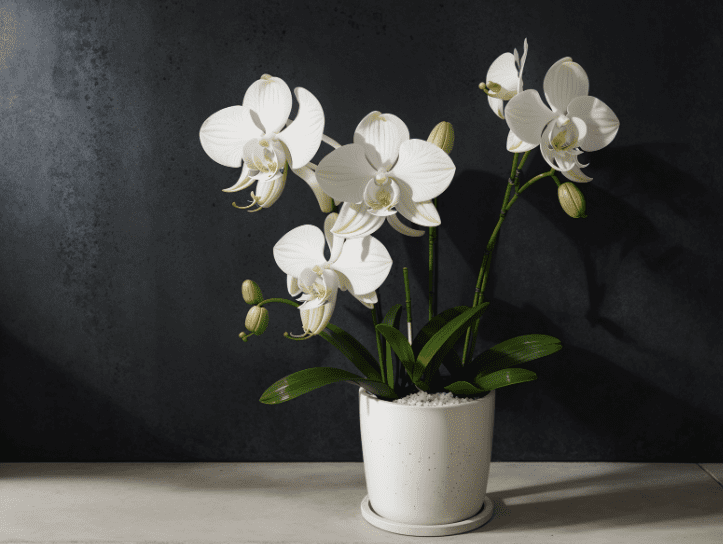
There’s something almost magical about watching an orchid unfurl its first bloom in a mix you’ve crafted yourself. After decades of working with these ethereal plants, I’ve learned that the secret to thriving orchids lies not in complicated fertilizers or perfect lighting alone, but in understanding what their roots truly crave, a foundation that mirrors their natural epiphytic lifestyle.
Orchid’s Natural Habitat
Picture an orchid in its native environment: perched high in the canopy of a tropical forest, its roots wrapped around bark, absorbing moisture from humid air and occasional rainfall. The roots never sit in waterlogged soil; instead, they breathe freely between the rough surfaces of tree bark and organic debris.
This visualization becomes our blueprint. When we create potting mixes that honor this natural preference, we’re not just providing substrate, we’re creating a bridge between the wild and our homes, allowing these remarkable plants to flourish as nature intended.
Premium Bark as Your Base
Quality bark forms the backbone of any exceptional orchid mix, much like a well-prepared garden bed supports robust vegetable growth. I’ve found that fir bark, aged for at least six months, provides the ideal combination of drainage and slow decomposition that orchids appreciate.
For most orchids, your bark ratio should comprise 60-70% of the total mix. Choose medium-grade bark for mature plants and fine bark for younger specimens whose root systems are still developing their strength and reach.
Essential Components for the Perfect Blend
Coconut Husk Chips: Nature’s Moisture Manager
These remarkable pieces retain just enough moisture while maintaining excellent drainage. Unlike coconut coir, which can become too water-retentive, husk chips create small pockets of humidity around the roots—exactly what epiphytes seek.
Perlite: The Breathing Space Creator
This volcanic glass provides crucial air pockets throughout your mix. I often tell clients that perlite acts like tiny lungs within the potting medium, ensuring roots can breathe even when the mix is freshly watered.
Sphagnum Moss: The Gentle Cushion
Used sparingly, long-fiber sphagnum moss adds moisture retention and creates a soft environment for delicate root tips. Think of it as nature’s cushioning system, protecting new growth while providing steady hydration.
Recipe Variations for Different Orchid Personalities
The Classic Phalaenopsis Blend
-
65% medium fir bark
-
20% coconut husk chips
-
10% perlite
-
5% sphagnum moss
This combination has never failed me with moth orchids. The balance supports their moderate water needs while preventing the root rot that claims so many beautiful specimens.
The Cattleya Confidence Mix
-
70% medium to coarse bark
-
15% coconut husk chips
-
10% cork chips or wine corks (chopped)
-
5% perlite
Cattleyas appreciate this chunkier blend that drains quickly but maintains just enough moisture for their robust growth patterns.
The Delicate Oncidium Formula
-
50% fine to medium bark
-
25% coconut husk chips
-
15% perlite
-
10% sphagnum moss
These dancing ladies prefer slightly more moisture retention, and this mix provides the consistent but not overwhelming hydration they thrive in.
The Mixing Ritual: Creating Your Perfect Blend
There’s a meditative quality to preparing orchid mix. I soak my bark components for 24 hours, then drain them thoroughly. This removes excess tannins and dust that could stress sensitive roots. While the bark drains, I gather my other components, checking each for quality and freshness.
Combine ingredients in a large container, mixing gently with your hands. This tactile approach allows you to feel the texture and ensure even distribution. The finished mix should feel springy in your palm, holding its shape briefly before crumbling naturally.
Seasonal Adjustments: Adapting to Nature’s Rhythms
Just as we adjust our garden care throughout the year, orchid potting mixes benefit from seasonal modifications. During humid summer months, I often increase the bark percentage slightly to enhance drainage. In dry winter conditions, a touch more sphagnum moss helps maintain crucial humidity around the roots.
Storage Wisdom: Preserving Your Investment
Store unused mix in breathable containers—never sealed plastic bags that encourage mold development. I use large terra cotta pots with saucers, which allow air circulation while protecting the mix from dust and debris. Properly stored mix remains viable for up to six months.
Signs Your Mix Needs Refreshing
Gardens teach us patience, but they also teach us to recognize when change is necessary. Your orchid’s potting mix typically needs replacement every 12-18 months, or when you notice:
-
Bark pieces breaking down into small fragments
-
A sour smell indicating decomposition
-
Water is draining too slowly through the mix
-
Salt buildup creates white, crusty deposits
Troubleshooting Common Mix Problems
When Roots Struggle to Establish
If new plantings seem reluctant to develop roots, your mix may be too coarse. Adding fine bark or a small amount of coconut fiber creates more contact points for emerging roots.
Addressing Overwatering Issues
Yellowing leaves often signal mix problems rather than watering frequency issues. A mix that’s broken down loses its drainage capacity, creating the boggy conditions that spell disaster for epiphytic roots.
The Economics of DIY vs. Commercial Mixes
Creating your own blend costs roughly 40% less than premium commercial mixes while giving you complete control over ingredient quality. More importantly, you develop an intimate understanding of what your orchids prefer—knowledge that proves invaluable as your collection grows.
Advanced Techniques for Experienced Growers
As your confidence develops, consider these refinements:
Charcoal Addition: Small chunks of horticultural charcoal (5% of total mix) help absorb excess minerals and prevent bacterial buildup.
Regional Adaptations: Humid climates benefit from increased drainage materials, while arid regions require enhanced moisture retention components.
Species-Specific Variations: Research your specific orchid varieties’ native habitats to fine-tune your mix accordingly.
Embracing the Learning Journey
Every orchid teaches us something new about the delicate balance between support and freedom that these remarkable plants require. Your potting mix becomes more than substrate, it becomes a testament to your growing understanding of these complex, beautiful organisms.
The satisfaction of watching an orchid thrive in a mix you’ve carefully crafted rivals any garden achievement I’ve experienced. It’s proof that when we take time to understand and honor a plant’s natural preferences, we create not just growing conditions but partnerships that flourish for years to come.
Remember, like all meaningful gardening relationships, perfecting your orchid mix takes time and observation. Each adjustment brings you closer to that sweet spot where your plants feel truly at home, rewarding your patience with spectacular blooms that seem to dance with joy in their perfectly crafted foundation.