








Nothing quite matches the satisfaction of growing a majestic magnolia tree from seed. As I’ve discovered through years of puttering about in my garden, there’s something deeply rewarding about nurturing these little packages of potential into the stunning flowering trees they’re destined to become. Let me share my tried-and-true methods for germinating magnolia seeds!
Collecting Your Seeds
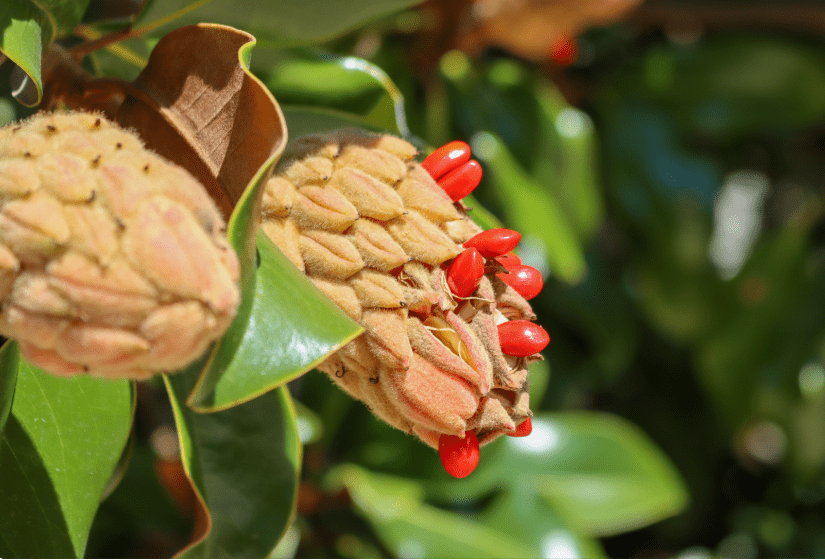
The journey begins in late summer to fall when those fascinating cone-like seed pods start to reveal their treasures. I always watch for that magical moment when the pods begin to split open, exposing bright red or orange seeds. That’s nature’s signal they’re ready for harvesting!
The best seeds come from pods that have just begun to open. I gently collect them, feeling that familiar excitement as I imagine the future trees hiding within. Each seed is covered by a fleshy, colorful outer coating called an aril that needs to be removed before planting.
Seed Preparation
Cleaning the Seeds
Fill a bucket with lukewarm water and soak your collected seeds for 1-2 days. This softens that colorful outer coating and makes it easier to remove. I find this strangely therapeutic – gently rubbing away the fleshy covering under running water until I’m left with clean, hard seeds.
The Crucial Cold Period
Here’s the secret most folks miss: magnolia seeds need a cold stratification period to break dormancy. Mother Nature is clever that way! In their natural habitat, seeds would fall to the ground in autumn and experience winter’s chill before sprouting in spring.
To mimic this process:
-
Place your cleaned seeds in a zip-top bag with slightly damp (not soaking wet) peat moss or vermiculite
-
Label the bag with the date and magnolia variety
-
Store in your refrigerator (not freezer) for 3-4 months
-
Check occasionally to ensure the medium stays slightly moist
Planting for Success
When spring beckons and your seeds have completed their cold slumber, it’s planting time! I prepare small pots with a well-draining mix of:
-
2 parts quality potting soil
-
1 part perlite or coarse sand
-
1 part compost
Plant each seed about 1/2 inch deep, positioned on its side rather than straight up and down. I’ve found this horizontal positioning helps with germination rates. Water gently but thoroughly.
Nurturing Patience
Now comes the challenging part for garden enthusiasts like us – waiting! Magnolia seeds are notoriously slow to germinate, sometimes taking anywhere from 2-6 months to sprout. I place my pots in a warm location with bright, indirect light and keep the soil consistently moist but never soggy.
I check my pots every morning over coffee – it’s part of my ritual. The day you spot that first green sprout pushing through is pure gardening bliss!
Seedling Care
Once your seedlings emerge with their first true leaves, it’s time for some careful attention:
-
Keep them in bright, filtered light (direct sunlight can scorch tender leaves)
-
Water when the top inch of soil feels dry
-
Apply a diluted, balanced organic fertilizer monthly during the growing season
-
Protect from extreme temperatures and strong winds
Transplanting Your Treasures
I typically grow my magnolia seedlings in their pots for at least a year before transplanting to a more permanent home. This gives them time to develop strong root systems.
Remember that these seedlings will eventually become substantial trees when selecting a permanent location. Choose a spot with:
-
Well-draining soil
-
Protection from harsh afternoon sun
-
Enough space for mature growth
-
Some protection from strong winds
Final Thoughts
Growing magnolias from seed requires patience, but few gardening projects offer such magnificent rewards. There’s something profoundly satisfying about nurturing these seeds through their lengthy germination process and watching them develop into saplings that will eventually bloom with those spectacular flowers.
Have you tried growing magnolias from seed? I’d love to hear about your experiences in the comments below. Happy gardening, friends!