












Are you confused about the world of mountain biking? Finding the perfect bike can feel overwhelming with many options, terms, and price points.
Whether you’re a beginner or looking to upgrade, we will help you understand mountain bikes, their types, costs, and how to find the right size for your needs.
What Is a Mountain Bicycle?
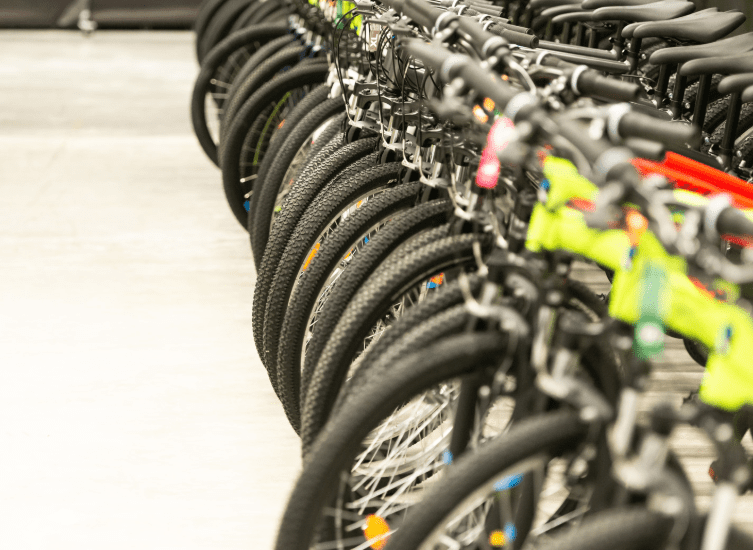
Mountain bicycles are specially designed for off-road riding on rough terrain. Unlike regular bikes, they feature sturdy frames, knobby tires, and powerful brakes to handle the challenges of natural trails.
What makes mountain bikes stand out is their ability to tackle various surfaces—from dirt paths and forest trails to rocky mountainsides. They provide better stability, control, and durability than standard bikes, making them perfect for adventurous riders exploring beyond paved roads.
XC Bike Meaning: Cross-Country Explained
What Does XC Stand For?
XC stands for cross-country, a popular type of mountain biking. If you’ve been researching mountain bikes, you’ve likely seen this term numerous times.
What Makes XC Bikes Special?
Cross-country bikes are designed for riding on natural terrain, including dirt trails, gravel roads, and moderate off-road conditions. They focus on:
-
Speed and efficiency over varied terrain
-
Lightweight construction for better climbing
-
Less aggressive geometry compared to downhill bikes
-
Pedaling performance for covering longer distances
XC bikes are perfect for riders who enjoy longer trips that mix climbs and descents on moderately technical trails.
[amazon box =”B06XWYS3NN”]
Types of Bicycles: Beyond the Mountain Bike
Road Bikes
Road bikes are built for speed and efficiency on paved surfaces. They typically have drop handlebars, thin tires, and lightweight frames designed for maximum performance on smooth tarmac.
[amazon bestseller =”road bikes” items=”3″]
Hybrid/Commuter Bikes
These bikes combine elements from both mountain and road bikes, creating versatile options for urban riding and casual recreation. They’re excellent for bike paths and everyday transportation.
[amazon bestseller =”Hybrid/Commuter Bikes” items=”3″]
Gravel Bikes
Gravel bikes offer a bit of everything with drop handlebars for a road bike feel. They’re designed for mixed-terrain riding and fall between road and mountain bikes in terms of capabilities.
[amazon bestseller =”Gravel Bikes” items=”3″]
Electric Bikes
E-bikes provide electric assistance to help with pedaling and are available in mountain bike, commuter, and cargo versions. They’re great for extending your range or helping with rugged terrain.
[amazon bestseller =”Electric Bikes” items=”3″]
How Much Does a Bike Cost?
The price range for bicycles is extensive, which often confuses shoppers.
Price Ranges by Bike Type
-
Entry-level recreational bikes: $150-$500
-
Quality hybrid/commuter bikes: $500-$1,000
-
Mid-range mountain bikes: $1,000-$2,500
-
High-end mountain bikes: $2,500-$5,000
-
Professional-level bikes: Up to $20,000
Most recreational riders expect to spend between $1,000 and $2,500 for a quality bike that will last.
What Affects Bike Pricing?
Several factors determine how much you’ll pay for a bicycle:
Brand Influence
Well-known brands like Specialized or Trek typically command higher prices than lesser-known manufacturers.
Frame Materials Matter
-
Carbon fiber and titanium: More expensive due to complex manufacturing
-
Aluminum and steel: More affordable options with good performance
Component Quality
Higher-grade components (shifters, derailleurs, brakes) significantly impact price. Racing-level components cost more but offer better performance and lighter weight.
New vs. Used Bikes: Getting the Best Value
When shopping for a bike, consider the following options:
-
Used bikes typically sell for 30-60% less than their new counterparts
-
A high-end bike that’s a few years old often offers better value than a new entry-level model
-
Focus on frame quality, as components can be upgraded over time
MTB Hardtail or Full Suspension: Which Is Right for You?
Understanding the Difference
The main distinction between these mountain bike types is in their suspension systems:
-
Hardtail: Features front suspension only
-
Full-suspension: Includes both front fork and rear shock absorption
When to Choose a Hardtail Mountain Bike
Hardtails are ideal when:
-
You’re on a budget (typically more affordable)
-
You want a lighter bike with less maintenance
-
You mostly ride smoother trails
-
You’re looking for better pedaling efficiency
When to Choose Full Suspension
Full-suspension bikes excel when:
-
You ride technical, rocky trails regularly
-
Comfort is a priority on rough terrain
-
You want better traction and control
-
You’re willing to spend more for these benefits
For beginners still deciding, consider that hardtails start around $800 for quality options, while good full-suspension bikes typically begin around $1,500
Bike Size Chart: Finding Your Perfect Fit
Why Sizing Matters
Riding a correctly sized bike improves comfort, prevents injury, and enhances performance. An ill-fitting bike can cause back pain and knee problems, making riding unpleasant.
How to Measure Yourself
To find your ideal bike size:
-
Measure your height in bare feet
-
Measure your inseam (inside leg length)
-
Use these measurements with bike size charts
Mountain Bike Size Chart
Mountain bikes are typically measured in inches or using S/M/L sizing.
| Height (Inches) | Height (cm) | Mountain Bike Size |
|---|---|---|
| 5’0″ – 5’3″ | 152-160cm | XS (13-14″) |
| 5’3″ – 5’6″ | 160-168cm | S (15-16″) |
| 5’6″ – 5’9″ | 168-175cm | M (17-18″) |
| 5’9″ – 6’0″ | 175-183cm | L (19-20″) |
| 6’0″ – 6’3″ | 183-191cm | XL (21-22″) |
| 6’3″+ | 191cm+ | XXL (23″+) |
Different brands may have slight variations in their sizing.
Gravel Bike Sizing Guide
Gravel bikes follow road bike sizing conventions but with some differences to accommodate off-road riding.
Gravel Bike Size Chart
| Height (Inches) | Height (cm) | Gravel Bike Size |
|---|---|---|
| 4’10” – 5’0″ | 148-152cm | 47-48cm / XXS |
| 5’0″ – 5’3″ | 152-160cm | 49-50cm / XS |
| 5’3″ – 5’6″ | 160-168cm | 51-53cm / S |
| 5’6″ – 5’9″ | 168-175cm | 54-55cm / M |
| 5’9″ – 6’0″ | 175-183cm | 56-58cm / L |
| 6’0″ – 6’3″ | 183-191cm | 58-60cm / XL |
| 6’3″ – 6’5″ | 191-196cm | 60cm / XXL |
Beyond Basic Sizing
When fitting a gravel bike, also consider:
-
Stack and reach measurements
-
Top tube length
-
Head tube angle
These factors affect your riding position and handling characteristics.
Test Rides: The Ultimate Sizing Tool
Charts provide a starting point, but nothing replaces riding the bike. When possible, test several bikes to compare how they feel. Many bike shops offer professional fitting services to help find your perfect match.
Making Your Final Decision
After considering all these factors—bike type, price range, suspension preferences, and proper sizing—you’re ready to make an informed choice. Remember that the best bike is one that:
-
Fits your body comfortably
-
Matches the terrain you’ll ride most often
-
Falls within your budget
-
Makes you excited to get out and ride!
Don’t rush your decision. Take time to research, test-ride different options, and ask questions. A quality bike is an investment that will provide years of enjoyment, exercise, and adventure.
Whether you choose a lightweight XC bike for long cross-country rides, a full-suspension trail bike for technical terrain, or a versatile gravel bike for mixed surfaces, understanding these basics will help you find a bicycle that perfectly matches your riding style and budget.
Happy trails and safe riding on your new mountain bike adventure!