







Last month, I got a professional quote to sand and polish my scratched, dull hardwood floors. The number was $2,200. I stared at the estimate and thought about the dust, the days of living in chaos, and the fact that my floors had only surface scratches and a dull finish, not deep gouges. I decided there had to be a better way.
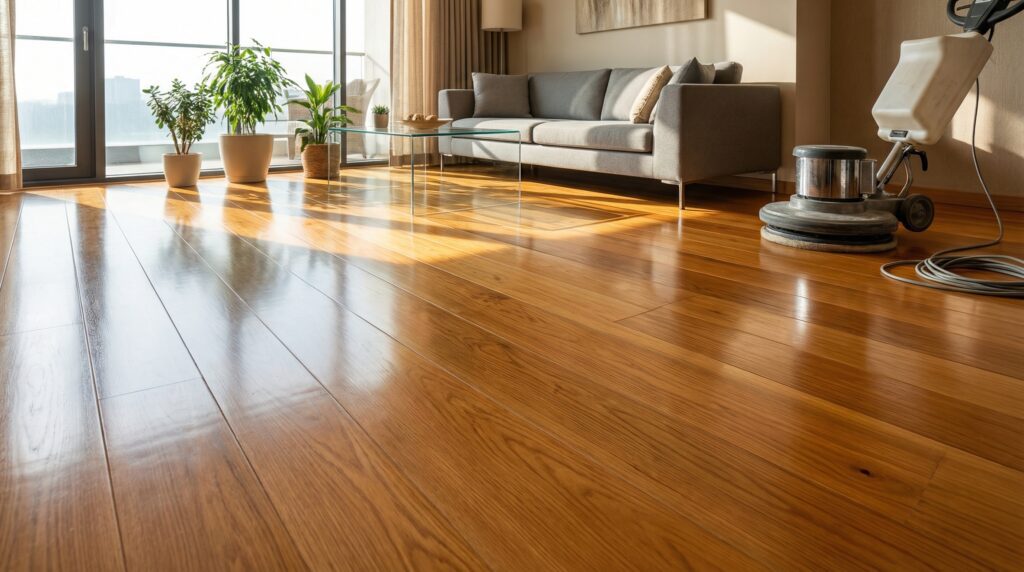
I bought a home timber floor polisher machine and a couple of bottles of high-quality polish, and I restored the entire 1,400 sq ft house myself in one weekend for under $300. The floors now have a rich, glossy shine that looks brand new. Friends walk in and ask who did the professional refinishing. I smile and tell them it was me, with the right machine and the right technique.
I am writing this complete DIY homeowner guide to show you exactly how to do the same. I will cover the real cost of polishing timber floors, whether polishing timber floors without sanding is realistic, the best machines and polishes for 2026, my exact 3-step process, and how to keep that shine for years. If you are tired of dull floors and high contractor quotes, this is the money-saving blueprint you have been looking for.
The $2,000 Quote: Why I Chose to DIY
Professional floor refinishing usually runs $3–$5 per square foot for full sanding, staining, and multiple coats of finish. For an average 1,200–1,500 sq ft home, that quickly adds up to $2,000–$4,000, plus the hassle of moving furniture and living in a construction zone for days.
My floors were not trashed, they just had years of foot traffic, minor scratches, and a faded protective coat. I realized I did not need full sanding; I needed a deep clean and a fresh top coat. That is where a timber floor polisher machine shines. For $250–$350, you can buy or rent a quality machine, spend $50 on polish, and do the work yourself in a single weekend. The math is simple: $300 DIY versus $2,200 pro. I chose DIY and never looked back.
Polishing Timber Floors Without Sanding: Is it Possible?
Yes, and it is one of the smartest DIY upgrades you can make.
Full sanding removes the top layer of wood to fix deep scratches or change color. Most homes do not need that. If your floors have light scratches, dull spots, or a worn clear coat, a good timber floor polisher and the right polish can restore the protective layer and bring back the shine without removing any wood.
The machine uses rotating pads and a liquid polish or wax that fills micro-scratches, cleans embedded dirt, and lays down a durable new top coat. It is like giving your floors a facial instead of a full facelift. I have done this on oak, maple, and engineered hardwood with excellent results. The finish lasts 2–4 years with proper care before you need to repeat the process.
Best Timber Floor Polishers (The Machines)
You do not need a $2,000 commercial buffer. These two machines are what most DIY homeowners actually need in 2026.
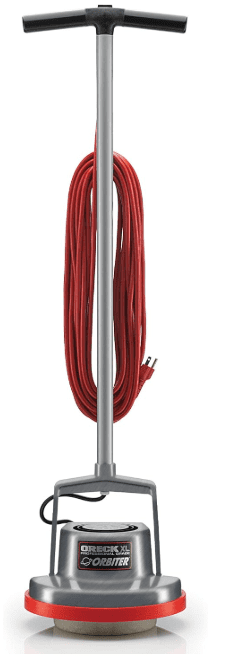
1. The Heavy-Duty Prosumer Choice: Oreck Commercial Orbiter
This is the machine I bought and still recommend to friends. It is lightweight, easy to maneuver, and the orbital action will not gouge your floors even if you are a beginner. It handles both liquid polish and paste wax and works on all common hardwood species.
Pros:
- Extremely forgiving on floors.
- Quiet and comfortable to use for hours.
- Versatile pads for cleaning, polishing, and buffing.
Cons:
- Higher upfront cost than basic models.
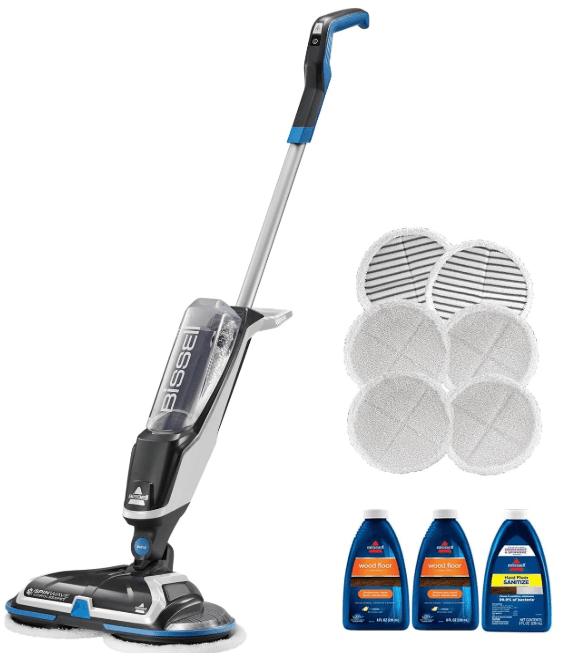
2. The Lightweight Budget Pick: Bissell SpinWave
Perfect if you want something affordable for occasional use or smaller homes. It spins two pads at high speed and is excellent for applying and buffing liquid polish. It is lighter and easier to store.
Pros:
- Great budget-friendly price.
- Easy to use and store.
- Excellent for quick maintenance and liquid polish application.
Cons:
- Less power for very dull or heavily scratched floors.
The Best Timber Floor Polish & Wax (The Liquids)
A machine is useless without the right product. Here is what actually works:
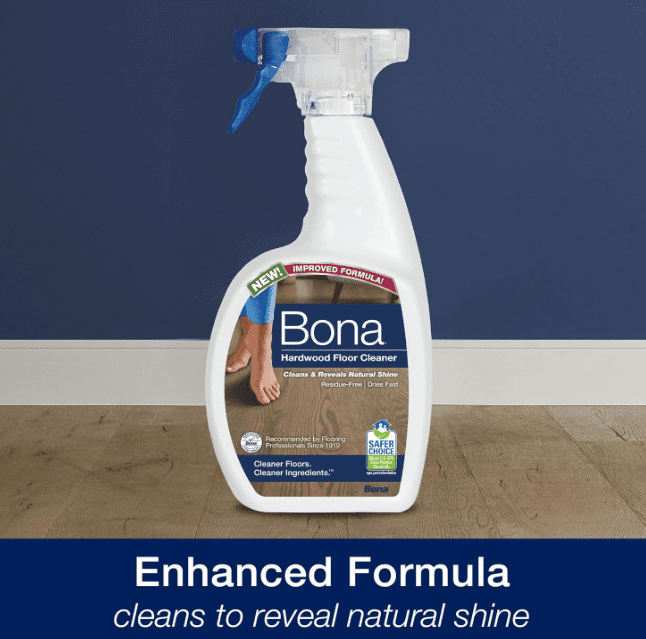
The Best Liquid Polish: Bona Hardwood Floor Polish
Bona is the gold standard for a reason. It fills micro-scratches, adds a durable satin or gloss shine, and is low-VOC. One bottle covers 1,000–1,500 sq ft. I use the gloss version for high-traffic areas.
The Best Wax/Restorer: Weiman Hardwood Polish and Restorer
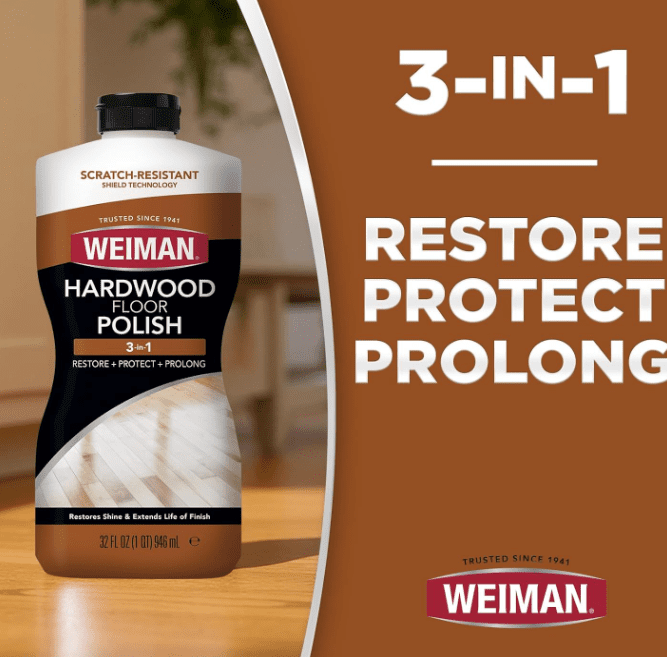
Weiman is fantastic for quick restoration. For a deeper, longer-lasting shine, I sometimes use a traditional timber floor wax polish on top of Bona. Apply sparingly, too much wax can build up and attract dirt.
How to Polish Timber Floors (My Exact 3-Step Process)
- Deep clean: Vacuum thoroughly, then mop with a wood-safe cleaner to remove all dirt and old wax residue. Let the floor dry completely (usually 30–60 minutes).
- Apply the polish or wax: Pour or spray the product in small sections. Spread evenly with a microfiber applicator or the machine’s pad.
- Buff with the timber floor polisher machine: Go over each section in overlapping passes. Work in 4 ft × 4 ft areas so the polish does not dry before you buff it. Two or three light passes usually give a mirror-like shine.
The entire house took me about 10 hours total, spread over two days, so I could move furniture in stages.
Aftercare: How to Clean Polished Timber Floors and Maintain the Shine
Once polished, maintenance is easy and prevents the need for frequent re-polishing.
- Sweep or vacuum daily with a soft brush attachment.
- Damp-mop weekly with a wood floor cleaner made for polished surfaces — never use harsh chemicals or steam mops.
- Use felt pads on all furniture legs.
- Reapply a thin coat of Bona or wax every 12–18 months in high-traffic areas.
With this routine, my floors still look showroom-fresh eight months later.
Final Thoughts from a Real DIY Homeowner
Switching from a $2,000 professional quote to a $300 DIY weekend was one of the smartest money moves I have made. My floors now have a deep, warm shine that makes the whole house feel more expensive. The best part? I control the schedule, the finish level, and the cost.
If your hardwood floors look tired but do not need a full sand, grab a good timber floor polisher and the right polish. You will save a fortune and get results you can be proud of.
Frequently Asked Questions
How much does it cost to polish timber floors professionally?
Professional floor sanding and refinishing usually costs between $3 and $5 per square foot. However, if your floors only need a surface polish without sanding, hiring a pro costs around $1.50 to $2.50 per square foot. Doing it yourself with a machine can cost under $300 total.
Can I polish my timber floors without sanding them first?
Yes, as long as the scratches are superficial and the existing clear coat finish is still intact. A timber floor polisher machine and a high-quality liquid polish can easily fill micro-scratches and restore a glossy shine without the need to sand bare wood.
How do you maintain polished timber floors?
To maintain polished timber floors, sweep or vacuum daily using a soft brush attachment. Damp-mop weekly with a dedicated wood floor cleaner. Avoid harsh chemicals, excess water pooling, and steam mops, as they will strip the protective polish and dull the shine.
Want More Home Maintenance Savings? 🏡
Skipping the contractor and polishing my own floors saved me over $1,700. If you want more step-by-step DIY guides, honest tool reviews, and real-world money-saving tips for your home, head over to our homepage and join our free email newsletter!
You’ll get the smartest homeowner blueprints directly to your inbox—completely spam-free. Let’s build a better home together!