

















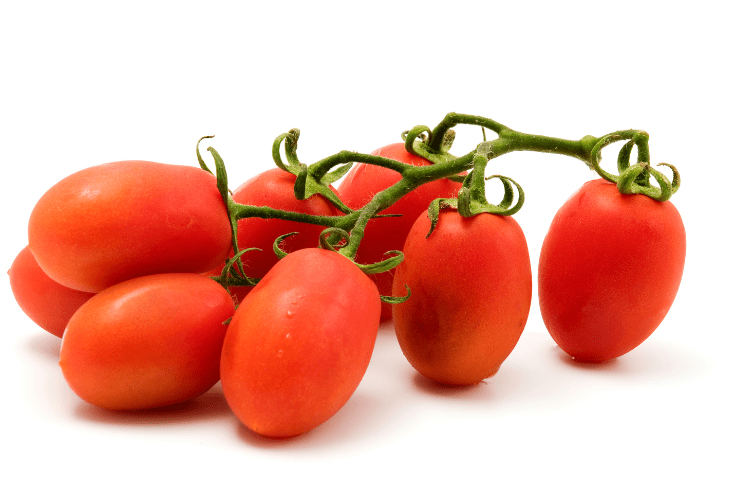
Plum tomatoes, commonly known as Roma tomatoes, are a gardener’s and chef’s delight. They stand out in the tomato family with their firm texture, rich, tangy flavor, and oval shape. Highly favored in Italian and Mediterranean cuisines, plum tomatoes are perfect for sauces, soups, and stews.
What Are Plum Tomatoes?
Plum tomatoes are distinguished by their:
- Oval Shape: Streamlined and easy to slice.
- Firm Texture: Meaty flesh with fewer seeds.
- Rich, Tangy Flavor: Intensifies when cooked.
Common Uses
- Sauces: Ideal for tomato sauces and pastes due to their low water content.
- Soups: Add depth and a velvety texture.
- Stews: Hold their shape and enrich the overall flavor.
Growing Plum Tomatoes in Your Garden
Growing your plum tomatoes can be a rewarding experience. Here’s what you need to know:
- Days to Maturity: Most plum tomatoes mature in 75-85 days.
- Variety Selection: Choose between early maturing varieties for shorter seasons or late maturing varieties for extended harvests.
- Climate Considerations: Plum tomatoes thrive in warm weather but can adapt to cooler climates with proper care.
Signs of Tomato Ripeness
Knowing when to harvest is crucial for the best flavor and quality.
Indicators of Ripeness
- Color: Look for a uniformly deep red color. Heirloom varieties may have different hues.
- Texture and Feel: The tomato should be firm but yield slightly to pressure.
- Fragrance: Ripe tomatoes emit a subtle, sweet fragrance.
- Skin Appearance: Shiny, glossy skin indicates ripeness.
Ripening Stages
- Green Stage: Tomato is fully green; not ready for harvest.
- Breaker Stage: Begins to show a blush of color.
- Turning Stage: 10-30% color change.
- Light Red Stage: Almost fully colored but may need more time on the vine.
- Fully Ripe: Uniform color and ready to pick.
Harvesting Techniques
Proper harvesting ensures longevity and flavor.
- Tools: Use garden snips, hand pruners, or pruning shears to avoid damaging the plant.
- Technique: Cut the stem about half an inch above the fruit.
- Timing: Harvest during the cool part of the day to reduce stress on the plant.
Considerations for Unripe Tomatoes
- Critter Damage: If pests are an issue, consider picking at the breaker stage.
- Split Tomatoes: Harvest immediately to prevent rot.
- Heavy Rain Forecast: Harvest ripe or nearly ripe tomatoes to prevent fruit cracking.
Impact of Weather on Harvest Timing
Weather conditions can significantly affect your harvest.
- Temperature Dips: Cool weather slows down ripening.
- Heavy Rain: Can cause cracked and split fruits.
- First Frost: Harvest all mature tomatoes before frost hits.
- Pests: Warm, humid conditions may increase pest activity.
Ripening Off the Vine
Sometimes, you may need to ripen tomatoes indoors.
- Paper Bag Method: Place tomatoes in a paper bag with a banana to speed up ripening using ethylene gas.
- Kitchen Counter Ripening: Let tomatoes ripen at room temperature away from direct sunlight.
- Temperature Control: Keep tomatoes at 65-75°F for optimal ripening.
Tips: Bananas release ethylene gas, which accelerates ripening. Avoid Refrigeration: Cold temperatures can halt the ripening process.
Storing and Using Your Harvested Roma Tomatoes
Proper storage of your harvested Roma tomatoes is essential to maintain their quality, flavor, and nutritional value. Here are some tips and techniques to ensure your tomatoes stay fresh and are ready to enhance your favorite dishes.
Storage Techniques
- Room Temperature: Store ripe Roma tomatoes at room temperature, away from direct sunlight. This helps them retain their flavor and texture.
- Avoid Refrigeration: Refrigerate only if the tomatoes are overripe and you need to extend their shelf life by a few days. Refrigeration can alter their texture and diminish their flavor.
- Handling Split Tomatoes: Inspect your tomatoes for any split tomatoes or damaged portions. Use these first as they are more susceptible to mold and bacteria.
- Peeled and Seeded: Consider peeling and seeding your tomatoes before freezing them for longer storage. This is ideal for future use in sauces and soups.
- Proper Airflow: Place tomatoes in a single layer with enough space to allow air circulation, preventing moisture buildup and mold.
Culinary Uses & Preservation Methods
Roma tomatoes are a versatile ingredient in the kitchen, celebrated for their rich flavor and firm texture.
- Tomato Sauces: Create a classic tomato sauce by simmering peeled Roma tomatoes with garlic, onions, and olive oil. Their low moisture content makes for a thick and flavorful sauce perfect for pasta, pizza, and more.
- Roasted Tomatoes: Enhance their natural sweetness by roasting them. Drizzle sliced tomatoes with olive oil, sprinkle with herbs, and roast until they caramelize. Roasted Roma tomatoes make a delicious addition to salads, sandwiches, or as a side dish.
- Soups and Stews: Add depth to your soups and stews by incorporating Roma tomatoes. Their robust flavor stands up well to long cooking times.
- Salsas and Chutneys: Chop fresh Roma tomatoes to make vibrant salsas or chutneys. Their firm flesh holds up well, providing a satisfying texture.
- Canning: Roma tomatoes are excellent for canning due to their dense flesh. Home-canned tomatoes can be used in sauces and soups year-round.
- Freezing: Freeze whole or peeled and seeded tomatoes in airtight containers or freezer bags. This method preserves their flavor and is convenient for future cooking.
- Drying: Create sun-dried tomatoes by dehydrating slices. Dried tomatoes can be stored in olive oil with herbs and used to add intense flavor to dishes.
Quick Recipe Idea: Classic Roma Tomato Sauce
Ingredients:
- 2 lbs of peeled and seeded Roma tomatoes
- 2 tablespoons of olive oil
- 4 cloves of garlic, minced
- 1 medium onion, finely chopped
- Salt and pepper to taste
- Fresh basil leaves (optional)
Instructions:
- Heat olive oil in a large saucepan over medium heat.
- Add garlic and onions, sauté until translucent.
- Add the Roma tomatoes to the pan.
- Simmer the mixture for 30-45 minutes, stirring occasionally.
- Season with salt, pepper, and add basil leaves if desired.
- Use immediately with your favorite pasta or store the sauce in jars for later use.
Conclusion
Plum tomatoes are more than just an ingredient; they’re an experience waiting to happen in your garden and kitchen. By understanding how to grow, harvest, and use them effectively, you unlock a world of flavor and satisfaction. We encourage you to embark on this homegrown journey and discover the joys of cultivating your own food.
Explore our Recipe Index for more ideas like Classic Tomato Sauce, Fresh Salsas, and Hearty Stews.