















9 Best Yellow Daisies to Brighten Your Garden (Varieties & Care)
Most big yellow daisies are full-sun, vigorous-growing, and highly reliable gardening plants. They’re not tiny plants that can be easily tucked away in the aisles of your local box store. However, they can give your summer garden that extra zing and are big enough to take on the back borders. They will keep your garden looking vibrant right through the autumn season.
Yellow Daisies Are Everywhere
Have a child draw a flower, and they’ll likely draw you a daisy. It is a circle surrounded by a flower ring. Daisies are considered the most basic kind of flower, but they’re far more complex than they seem.
The central disk comprises hundreds of tiny blossoms tightly packed and enclosed by a ring of “ray florets”—elongated petals, each having a little flower at the bottom. These flowers make the perfect habitat for wildlife, as pollinators can sip nectar from several small nectar wells.
Their name comes from the Old English “daeges eage” (through Middle English “dayesye”), which translates to “day’s eye,” due to the habit of lawn daisies opening at dawn and closing around dusk. This is where the phrase “fresh as a daisy” comes from! In many cultures, daisies are associated with joy, childhood, and new beginnings.
🎧 Pro Tip: Make Gardening More Enjoyable
Love spending hours planting seeds and tending to your flower beds? Listen to audiobooks while you work!
Amazon is currently offering a FREE Trial of their Audible plan. You get unlimited ad-free listening to select originals and a free audiobook to keep forever.
How to Grow and Care for Yellow Daisies
Before we dive into our favorite varieties, it’s important to know how to set them up for success. Fortunately, most yellow daisy varieties are incredibly resilient and low-maintenance.
- Sunlight Requirements: To get the most vibrant and abundant blooms, plant your daisies in full sun. They need at least 6 to 8 hours of direct sunlight per day. Too much shade will lead to leggy stems and fewer flowers.
- Soil Preferences: They prefer well-draining soil. While they can tolerate poor or rocky soils, adding a little compost during planting will give them a strong head start. Avoid waterlogged, heavy clay soils as this can cause root rot.
- Watering: Water deeply and regularly during their first growing season to establish a deep root system. Once established, most yellow daisies are highly drought-tolerant and only need supplemental watering during extreme dry spells.
- Deadheading: To encourage continuous blooming all summer long, snip off faded or dead flowers (a process known as deadheading).
Grow Your Own Yellow Daisies!
Want to fill your garden with vibrant, pollinator-friendly blooms? Grab a bulk pack of premium wildflower & yellow daisy seeds to start your summer garden right.
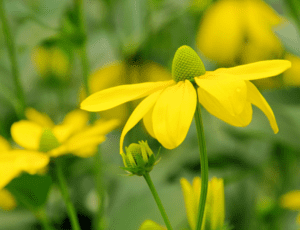
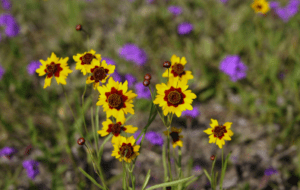
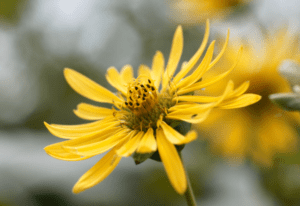
Our Top Picks for Yellow Daisy Varieties:
Frequently Asked Questions (FAQ)
Do English Daisies have white or yellow flowers?
English daisies (Bellis perennis), known for their cheerful and abundant blooms, typically feature white petals with a bright yellow center. They are often grown as groundcovers or in borders. While white is the most common flower color for English daisies, they can occasionally display variations, such as pink, red, or purple petals.
Do regular Daisies have yellow petals?
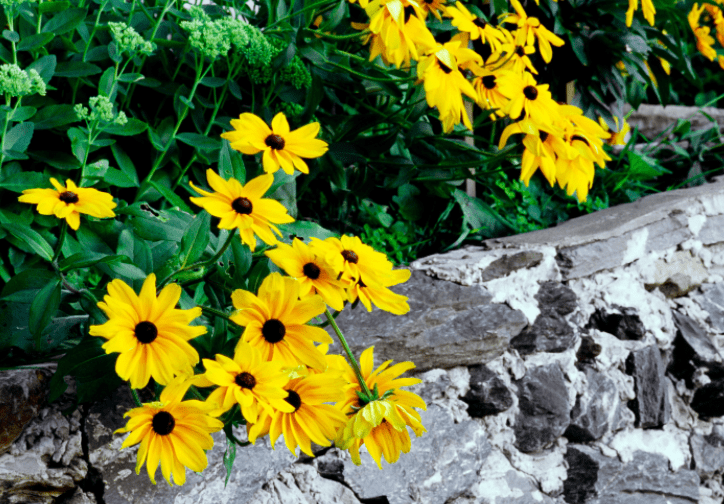
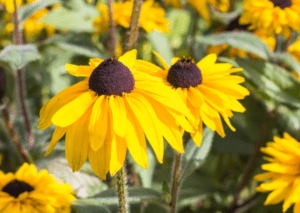
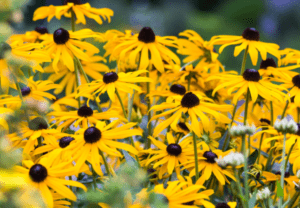
Classic daisies do not have yellow petals; they feature white petals with a yellow center. However, there are variations within the broader daisy (Asteraceae) family that do exhibit yellow petals. For instance, the Black-eyed Susan (Rudbeckia hirta) has bright yellow petals and a dark central cone, making it a quintessential “yellow daisy.”
What is the symbolic meaning of a Yellow Daisy?
- Joy and happiness: Yellow daisies are often associated with happiness, sunshine, and optimism.
- Friendship and loyalty: They are a popular gift for friends to show them how much you care.
- New beginnings: Yellow daisies are famous for bouquets celebrating new jobs, homes, or life phases.
- Wealth and prosperity: The golden color is often associated with financial success and good fortune.




Comments are closed.