

















If you want a perennial garden that blooms relentlessly from early summer to the first frost, planting catmint seeds is the smartest choice you can make. Catmint (Nepeta) survives brutal droughts, keeps deer away, and attracts every bee and butterfly in the neighborhood. However, buying fully grown potted plants from a nursery can quickly drain your landscaping budget.
While many beginner gardeners are intimidated by the idea of starting perennials from scratch, growing them from seed is actually incredibly easy—provided you know the one major secret to breaking their dormancy.

If you plant catmint plant seeds directly from a room-temperature packet into warm soil, you will likely see terrible germination rates. Why? Because catmint seeds need cold stratification. In nature, these seeds fall to the ground in autumn and sit through a freezing winter. This cold period breaks the seed’s internal dormancy. The Fix: Place your seed packet in the refrigerator for 3 to 4 weeks before you plan to sow them. This simple trick mimics winter and guarantees massive germination success!
How to Grow Catmint Seeds: Step-by-Step
Once you have stratified your seeds, the actual planting process is straightforward. Here is exactly how to get a lush harvest of purple blooms in your first year.
- Prepare the Soil: Catmint hates “wet feet.” Fill your seed starting trays with a very well-draining, lightweight potting mix.
- Surface Sowing: This is the most common mistake. Catmint seeds are tiny and require sunlight to germinate. Sprinkle them on top of the soil and gently press them down so they make contact with the dirt. Do not bury them.
- Moisture Control: Use a spray bottle to mist the surface. Pouring water from a watering can will wash the tiny seeds away. Keep the soil surface moist, but not soggy.
- Germination: Keep the trays in a warm spot (around 65°F to 70°F) under bright light. You should see tiny green sprouts in 10 to 20 days.
- Transplanting: Once the seedlings have two sets of “true leaves” and all danger of frost has passed, transplant them into your garden in a spot that receives full sun.

Start Your Perennial Garden
Skip the expensive nursery pots. Buy premium, non-GMO catmint seeds and grow dozens of drought-tolerant plants for the price of a cup of coffee.
Top Varieties: Which Catmint Seeds Should You Buy?
When looking for catmint seeds for sale, pay close attention to the variety. They are not all the same size.
- Walker’s Low: Despite the name, this is actually a large variety that can grow up to 3 feet wide and 2.5 feet tall. It is incredible for filling large gaps in landscape borders but will quickly outgrow small spaces.
- Nepeta Mussinii (Persian Catmint): A classic, low-growing variety that usually stays under 18 inches. It features stunning lavender-blue flowers and highly aromatic foliage.
- Cat’s Pajamas: Finding cat’s pajamas catmint seeds can be tricky (as it is often sold as a patented, vegetatively propagated plant), but if you find similar dwarf varieties, grab them. They bloom earlier than other types and form perfect, tight balls of purple flowers that are ideal for walkway edging.
Does Catmint Self Seed?
If you are wondering does catmint self seed, the answer is a resounding yes. Once established in your garden, catmint is a prolific self-seeder. After the purple flowers fade, they drop hundreds of seeds onto the surrounding soil.
Because they naturally undergo cold stratification during the winter, you will likely find dozens of “volunteer” seedlings popping up around the mother plant the following spring. You can easily dig these free seedlings up and move them to other parts of your yard. If you do not want your catmint to spread, simply shear the plant back (cut off the dead flowers) in mid-summer before it is chanced to drop its seed.
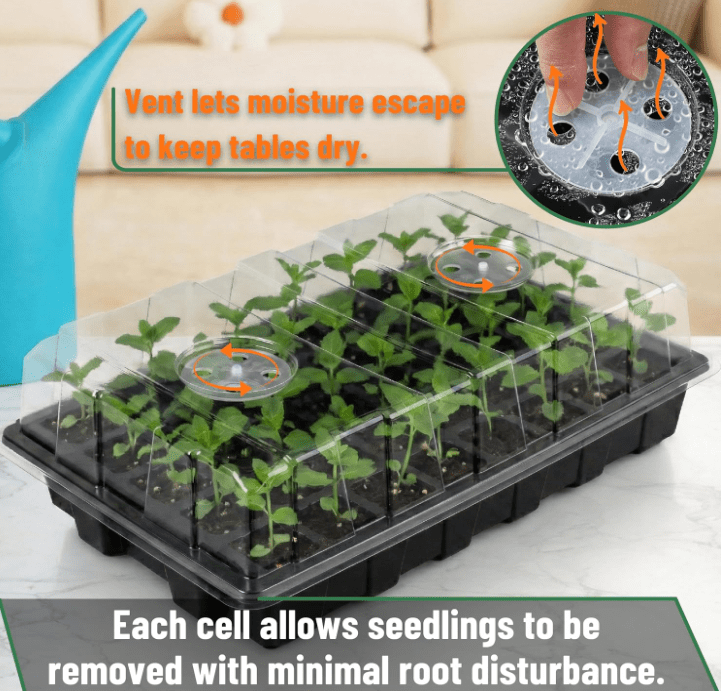
Essential Seed Starting Gear
To successfully grow tiny seeds indoors, you need proper humidity control. A simple, reusable seed starter tray with a clear humidity dome makes germination nearly foolproof.
🌻 Build Your Dream Garden
Join our growing community of gardeners! Get our best seasonal planting guides, landscaping tips, and product reviews sent straight to your inbox.
100% Free. No spam. Unsubscribe anytime.