
















Discovering a crack in your basement wall is every homeowner’s worst fear, but the direction of that crack tells a very specific story. If you notice a crack that runs side-to-side, parallel to the floor, it requires immediate attention. A horizontal foundation crack repair is not a simple weekend patching job—it is a structural emergency.
While vertical cracks are usually just a sign of normal house settlement, horizontal cracks indicate that hydrostatic pressure from expanding, water-saturated soil is literally pushing your foundation walls inward. If ignored, the wall will bow, buckle, and eventually collapse. This guide covers exactly how to assess the severity of the damage, the true cost of foundation crack repair, and the professional-grade products you can use to prevent the wall from caving in.

- Vertical Cracks (Up & Down): Usually harmless. Caused by normal concrete shrinkage or minor settling. Easily fixed with low-pressure polyurethane foam.
- Stair-Step Cracks: Moderate danger. Typically, they are found in cinder block walls along the mortar joints, indicating uneven foundation settlement.
- Horizontal Cracks (Side to Side): Maximum danger. The cracks are caused by heavy soil pressure from the outside. The wall is structurally failing and bowing inward. Immediate action is required.
How to Repair a Horizontal Foundation Crack
If your wall is bowing less than two inches or not bowing at all, you can execute a concrete crack repair for horizontal foundation walls yourself. Never use hydraulic cement or standard caulk for a horizontal crack; the pressure from the earth will simply pop it right out.
1. Low-Pressure Epoxy Injection (For Non-Bowing Walls)
For walls that remain perfectly straight, structural epoxy is the answer. Unlike polyurethane foam (which only stops water leaks), epoxy actually bonds the two sides of the broken concrete back together.
- Clean the surface around the crack thoroughly with a wire brush.
- Attach plastic injection ports directly over the crack every few inches using surface-sealing epoxy paste.
- Cover the remaining visible crack with the surface paste to trap the liquid.
- Slowly inject the low-viscosity liquid epoxy into the ports, starting from the bottom up, until the crack is filled.
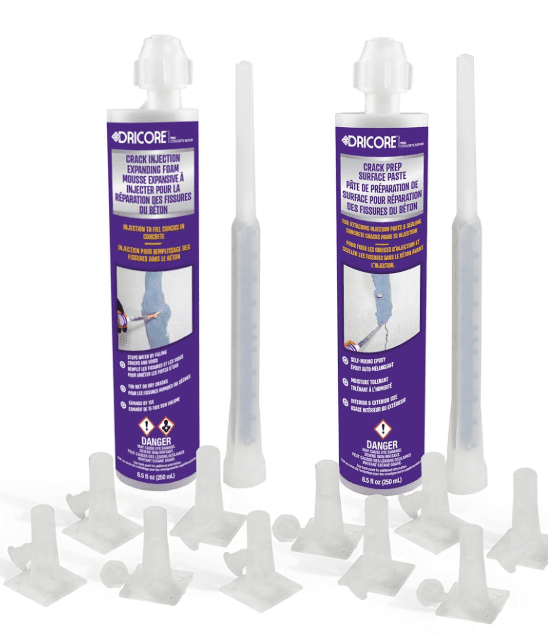
Weld the Concrete Together
Hydraulic cement will fail under horizontal soil pressure. A professional-grade structural epoxy injection kit is the only way to effectively bond a non-bowing cracked foundation back together.
2. Carbon Fiber Wall Reinforcement (For Slight Bowing)
Even a slight inward bow alongside your horizontal crack indicates a compromise in the wall’s structural integrity. Epoxy alone will crack again under the soil’s massive weight.
To fix this, contractors use carbon fiber straps. These straps are applied vertically to the wall (crossing over the horizontal crack) using an incredibly strong adhesive. Because carbon fiber does not stretch or break, it completely locks the wall in place, preventing the earth outside from pushing it any further inward.

Stop Wall Bowing Instantly
Carbon fiber reinforcement kits are 10 times stronger than steel and lay flat against your wall, allowing you to paint right over them once the epoxy has cured.
Horizontal Foundation Crack Repair Cost Breakdown
One of the most common questions homeowners ask is, “How much to repair horizontal crack in foundation walls?” The answer depends entirely on how quickly you catch the damage.
| Repair Method | Damage Level | Estimated Cost |
|---|---|---|
| DIY Epoxy Injection | Hairline crack, no bowing | $100 – $250 (Kit Cost) |
| Carbon Fiber Straps | Slight bow (Under 2 inches) | $400 – $1,500 |
| Steel Wall Anchors | Severe bow (Over 2 inches) | $3,000 – $7,000+ (Professional) |
| Full Foundation Rebuild | Structural failure/Collapse | $15,000 – $30,000+ |
As you can see, the horizontal foundation crack repair cost skyrockets the longer you wait. Fixing a hairline crack today with an inexpensive kit prevents a massive wall anchor excavation next spring.
How to Prevent Foundation Cracks (Stop Hydrostatic Pressure)
Preventing foundation cracks is far cheaper and less stressful than repairing them. Because horizontal cracks are caused by expanding, water-saturated soil (hydrostatic pressure) pushing against the walls, your primary goal is to keep water away from the foundation perimeter.
1. Regrade Your Yard Away from the House
The single most important step is making sure the ground slopes away from your foundation. Building codes generally recommend a slope of at least 6 inches drop over the first 10 feet away from the foundation wall. If your soil slopes toward the house, water will pool against the concrete, freeze in the winter, and crack the wall.
2. Extend Gutters and Downspouts
Clogged gutters or short downspouts dump thousands of gallons of roof runoff right next to your foundation every year. Ensure your downspouts discharge water at least 5 to 10 feet away from the house.
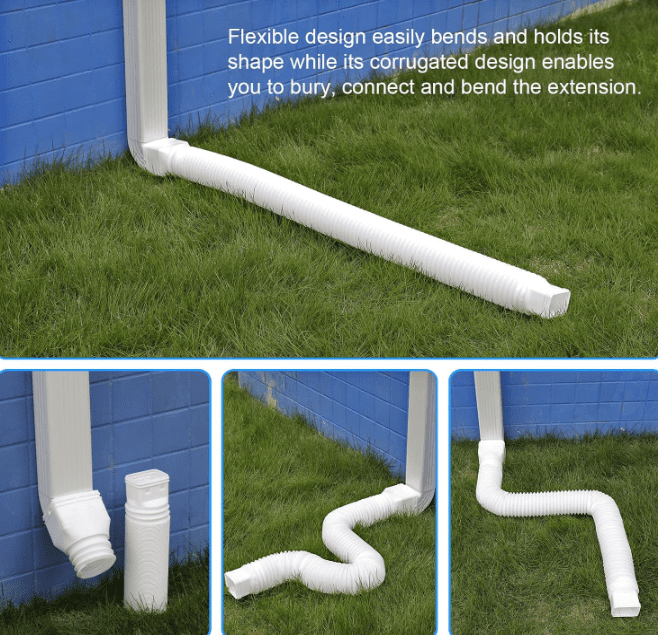
Move Water Away Fast
Flexible downspout extensions are the cheapest and easiest way to stop water from pooling against your basement walls and causing hydrostatic pressure.
3. Install a French Drain System
If your yard naturally stays wet or you have heavy clay soil that retains moisture, surface grading may not be enough. A French drain is the ultimate long-term insurance. By burying a perforated corrugated pipe wrapped in landscaping fabric near the foundation, you create an underground channel that captures water and carries it safely away before it can build pressure against the wall.
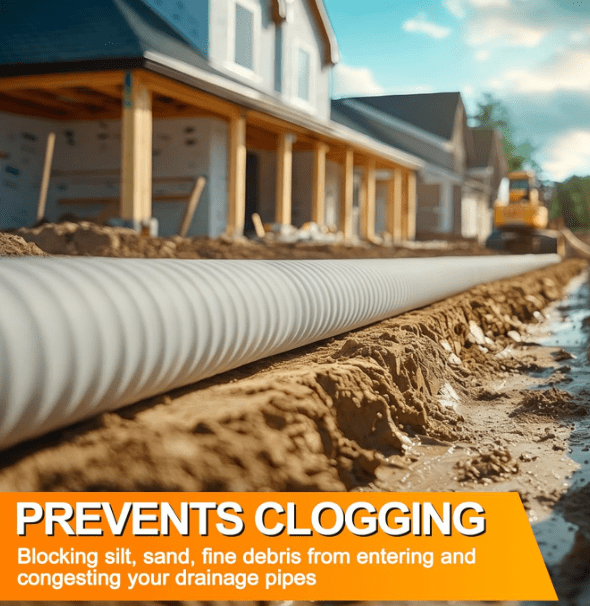
The Ultimate Drainage Solution
DIY French drain kits include pre-wrapped perforated pipes with packing peanuts, making installation incredibly easy without hauling tons of heavy gravel.
Foundation Crack Prevention Costs
| Prevention Method | DIY Cost | Pro Installed Cost |
|---|---|---|
| Proper Yard Grading (Soil) | $100 – $300 | $1,000 – $2,500 |
| Downspout Extensions | $30 – $80 | $150 – $300 |
| DIY French Drain Kit (40 ft) | $250 – $500 | $3,000 – $5,000 |
🏡 Protect Your Biggest Investment
Join our community of homeowners and get expert DIY repair guides, property maintenance tips, and landscaping advice sent straight to your inbox.
100% Free. No spam. Unsubscribe anytime.