

















Energy Boosting Alkaline Juice
Alkaline juice has become a favorite among health-conscious gardeners and wellness enthusiasts, and for good reason. We’re passionate about sharing the science and practical benefits behind popular trends-so let’s explore what alkaline juice is, its potential benefits, how to make it, and what to keep in mind before adding it to your daily routine.
What Is Alkaline Juice?
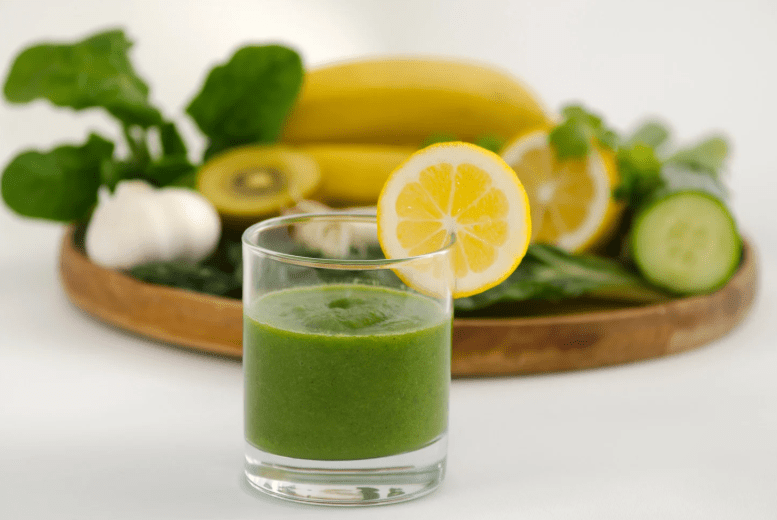
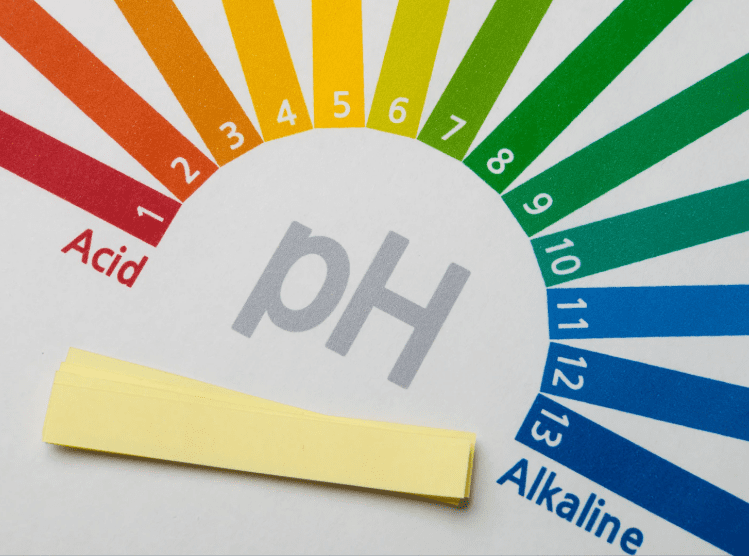
Alkaline juice is a beverage made primarily from fresh, raw, alkaline-forming vegetables and fruits. The goal is to create a drink that helps support the body’s natural pH balance, typically by using ingredients like leafy greens, cucumber, celery, and low-sugar fruits such as lemon or grapefruit.
Unlike smoothies, alkaline juices are usually fiber-free, which means their nutrients are absorbed rapidly into the bloodstream for a quick energy boost.
Why Drink Alkaline Juice?
Alkaline juices are celebrated for several potential health benefits:
-
Detoxification: They help flush out toxins and support the body’s natural cleansing processes.
-
Chlorophyll Boost: Green juices are rich in chlorophyll, which is linked to improved cellular nutrition and oxygenation.
-
Immune Support: The nutrient-dense profile of alkaline juices can help strengthen the immune system.
-
Enhanced Beauty: Regular consumption may improve the health of skin, hair, and nails.
-
Instant, Stable Energy: Unlike coffee or sugary drinks, alkaline juices provide a non-jittery, long-lasting energy boost.
-
Quick Nutrient Absorption: With little to no fiber, the vitamins and minerals are absorbed almost instantly, making them ideal for a morning pick-me-up or post-workout recovery.
How to Make Alkaline Juice Our Way
To get the most out of your alkaline juice, follow these tips:
-
Go Green: Use about 80% green vegetables (like spinach, kale, cucumber, celery).
-
Add Low-Sugar Fruits: Limit sweet fruits to less than 20% of the recipe to avoid acidifying the juice. Opt for lemon, lime, grapefruit, or a small piece of apple or pear.
-
Include Roots and Herbs: Carrots, beets, ginger, and fresh herbs (like basil or mint) can add flavor and extra nutrients.
-
Cold-Press for Quality: Use a cold-press juicer to preserve vitamins, minerals, and enzymes.
-
Drink Fresh: Consume your juice immediately for the best taste and nutritional value.
Sample Alkaline Juice Recipe:
-
1 small cucumber
-
1 cup kale or spinach
-
¼ head of cabbage
-
1 carrot
-
½ lime
-
1 knob ginger
Juice all ingredients and enjoy right away!
GardenFrontier Tips for the Perfect Alkaline Juice
-
Don’t mix more than two types of leafy greens for easier digestion.
-
Choose organic, local produce whenever possible for maximum nutrition and sustainability.
-
Add a superfood (like spirulina or wheatgrass powder) or a few drops of liquid chlorophyll for an extra health kick.
Potential Risks and Considerations
While alkaline juice can be a healthy addition to your diet, moderation is key. Excessive intake of alkaline-forming foods or drinks could potentially disrupt your body’s natural pH balance, though this is more of a concern with alkaline water than with juices made from whole foods. If you have a medical condition or are on medication, consult your healthcare provider before making significant changes to your diet.
Takeaway
Alkaline juice is a delicious, nutrient-packed way to support your body’s natural balance and boost your daily energy. By focusing on fresh, green ingredients and keeping recipes simple, you can enjoy all the benefits—detoxification, immune support, and more- without sacrificing flavor. Give alkaline juice a try this season and let your garden (and your body) flourish!
Happy juicing from your friends at GardenFrontier!