


















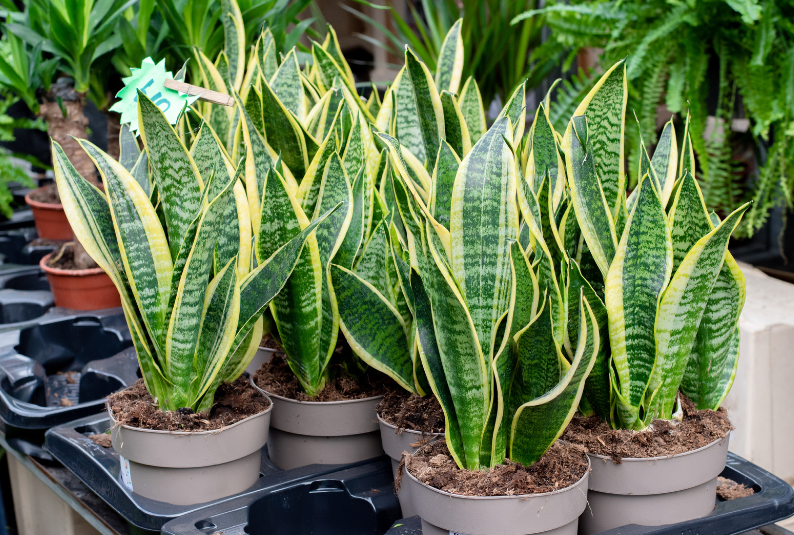
Snake plants are more than just a trendy houseplant; they’re a delightful addition to any home. You’ve come to the right place if you want to add a touch of greenery without much fuss. Let’s dive into everything you need to know about caring for your snake plant at home.
What Makes Snake Plants Special?
Snake plants, also known as sansevieria, are famous for their unique foliage and low light tolerance. They’re a beginner-friendly plant that adds height to your indoor collection and helps with indoor air purification by absorbing carbon dioxide and removing toxins like benzene and formaldehyde.
Snake Plant Varieties and Their Unique Features
Snake plants, also known as Sansevieria trifasciata or Dracaena, come in a stunning array of varieties and cultivars, each with distinct shapes, colors, and growth patterns. These versatile houseplants are perfect for urban growers, requiring minimal care while making a bold visual statement. Let’s explore some popular types and their unique characteristics to help you find the perfect fit for your indoor garden.
The African Spear Plant (Dracaena angolensi) features striking cylindrical leaves that grow in upright clusters, creating an architectural look ideal for modern interiors. Similarly, the Whale Fin (Dracaena masoniana) captivates with its broad, paddle-shaped leaves adorned with beautiful bands of green and sometimes cream accents. This rare cultivar is a collector’s favorite for its dramatic size and presence.
For those who prefer a traditional appearance, the Bantel’s Sensation (Sansevieria trifasciata) stands out with its stiff, sword-like leaves striped with green, yellow, and cream hues. Its compact form makes it an excellent choice for small spaces or as a tabletop accent.
Whether you’re an experienced master gardener or a beginner, each variety offers something unique. Their ability to thrive in low light, tolerate neglect, and purify the air makes them a staple for every plant enthusiast.
By exploring the diverse world of snake plants, from the bold Whale Fin to the sleek Bantel’s Sensation, you can add variety, elegance, and a touch of nature to your home. Each cultivar brings a distinctive charm, ensuring there’s a perfect option for every urban grower.
There are several snake plant varieties to choose from:
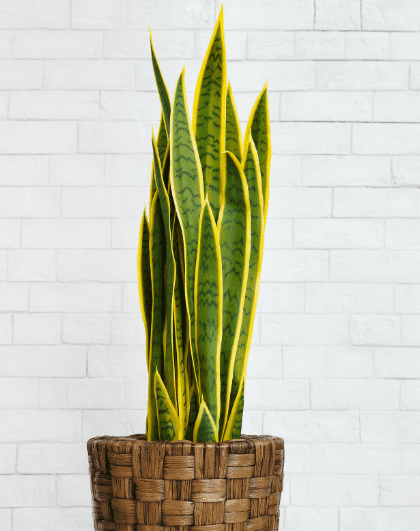
- Dracaena trifasciata ‘Laurentii’: Known for its yellow-edged leaves.
- Sansevieria ‘Golden Hahnii’: A compact version perfect for small spaces.
- Cylindrical snake plant (Dracaena angolensis): Features round, upright leaves.
- White snake plant: Offers a striking contrast with its pale leaves.
Ideal Conditions for Your Snake Plant
Essential Care Requirements for Snake Plants
Snake plants are known for their resilience, but proper care ensures they thrive and maintain their vibrant appearance. By addressing their specific needs for light, soil, water, temperature, and humidity, you can help these slow growers reach their full potential while avoiding common issues like dilute color or stunted growth.
Light and Lighting Conditions
Snake plants adapt to a wide range of lighting conditions, from low light to early-morning direct sunlight. However, they thrive best in indirect sunlight, which helps maintain their vivid green tones without scorching the leaves. Insufficient light can stunt growth, while too much direct exposure may damage the foliage. Position your plant near a bright window with filtered light for optimal results.
Soil and Watering Needs
These plants prefer a loose, well-drained potting soil mix to prevent waterlogging, which can lead to root rot. Water sparingly, allowing the soil to dry out completely between waterings. Overwatering is the most common cause of issues, so it’s better to err on the side of caution. Adjust your watering schedule based on the season, as snake plants require less water during overwintering.
Temperature and Humidity
Snake plants thrive in warm temperatures and tolerate typical indoor climates with average humidity. Avoid exposing them to temperatures lower than 50°F, as cold conditions can cause damage. While they aren’t picky about humidity levels, maintaining a consistent environment free from drafts or sudden temperature changes is key to their health.
You can enjoy a hardy, low-maintenance plant that adds beauty and greenery to any space by meeting these care requirements. With the right lighting conditions, soil, and watering practices, your snake plant will continue flourishing, proving why it’s one of the most popular houseplants for beginners and seasoned gardeners.
Potting and Repotting Tips for Snake Plants
Potting and repotting your snake plant properly is essential for its health and longevity. These hardy houseplants thrive in a well-chosen pot and soil combination, and knowing when and how to repot can prevent issues like root rot and overcrowded growth.
Opt for a wide, shallow pot with adequate drainage holes when potting your snake plant for the first time. Snake plants don’t like sitting in water, so ensuring proper drainage is key to avoiding excess moisture. Use a cactus potting mix or well-draining potting soil to replicate the plant’s natural environment, allowing water to flow freely and draining out effectively after each watering.
Repotting is typically required every three to five years or sooner if you notice signs of overcrowded roots, such as roots growing out of the drainage holes or the soil surface. Spring is the best time for spring repotting, as the plant enters its active growth phase, making it easier to recover from the stress of being moved.
When repotting, choose a container slightly larger than the current one to give the roots room to expand. Plastic and terracotta pots work well, but plastic retains moisture slightly longer, which may not be ideal for snake plants prone to overwatering. If you’re moving the plant to a larger pot, gently loosen the root ball and remove any damaged or rotted roots before replanting it in fresh soil.
Following these repotting tips ensures your snake plant remains healthy, with vibrant, upright leaves and strong root systems. By providing the correct pot size, soil, and timely care, you can keep your snake plant thriving and looking its best for years to come.
How to Encourage Your Snake Plant to Bloom
While snake plants are prized for their hardy nature and striking foliage, many plant enthusiasts are delighted to discover that these houseplants can produce stunning, fragrant blooms under the right conditions. Snake plant flowers, typically tubular and pale green or creamy white, grow in clusters along a tall stalk, adding a surprising decorative touch to your home. But how do you encourage your snake plant to bloom?
Snake plants bloom when they experience stress, such as becoming rootbound in their pot. When the roots fill the container, the plant signals that it’s time to focus on reproduction, often resulting in flowers. Choosing the right cultivar is also essential, as not all snake plant varieties flower with the same frequency.
Place your snake plant in partial shade or a spot that receives bright, indirect sunlight to promote flowering. Snake plants thrive in consistent, moderate lighting conditions, but too much direct sunlight can scorch the leaves, while deep shade may inhibit growth. Seasonal changes can also trigger blooming, so pay attention to shifts in temperature and light during the year.
Maintaining slightly dry soil is another key factor. Snake plants don’t tolerate overwatering; excess moisture can prevent blooms or even lead to root rot. Keep the watering schedule light, allowing the soil to dry completely between waterings.
Finally, patience is crucial. Snake plants are slow-growing and may take years to reach the point where they flower. However, the effort is well worth it, as a blooming snake plant enhances your home’s aesthetic and serves as a testament to your successful care.
By understanding the conditions that encourage blooming—such as being rootbound, adequate sunlight, and proper watering—you can transform your snake plant into a thriving, flowering masterpiece, showcasing its full potential as one of the most versatile and beautiful houseplants in your collection.
Effective Propagation Methods for Snake Plants
Snake plants are low-maintenance and incredibly easy to propagate, making them a favorite among houseplant enthusiasts. Whether you want to expand your collection or share plants with friends, understanding various propagation methods like division and leaf cuttings can help you multiply your snake plants effortlessly.
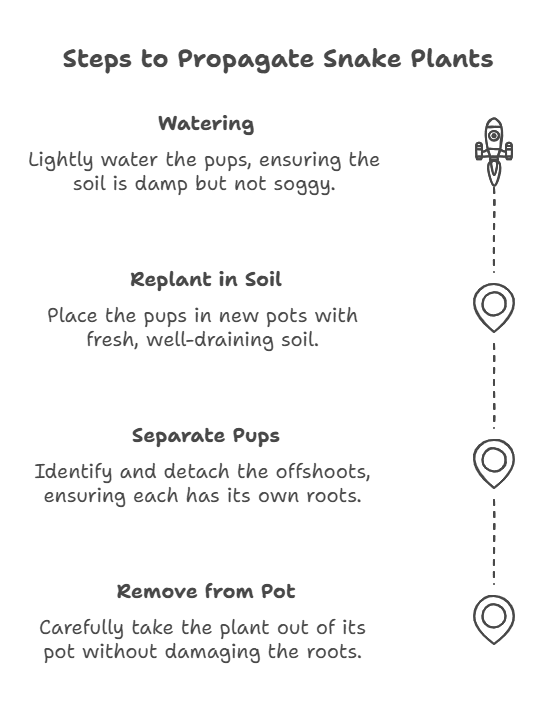
One of the most reliable techniques is division, where mature snake plants are separated into smaller clumps containing roots and leaves. This method works best when the plant has produced offshoots, also known as pups, which grow alongside the main plant. To propagate by division, carefully remove the plant from its pot, separate the pups, and replant them in fresh, well-draining soil. Ensure the damp soil is not soggy, as excessive moisture can hinder root growth.
For a more hands-on approach, consider propagating with leaf cuttings. Cut a healthy leaf into sections, each about 2–3 inches long. Allow the cut ends to callous over for a day or two to prevent rotting, then plant the cuttings in soil propagation or place them in water. With water propagation, immerse the cuttings in a water container, ensuring the cut end is submerged but the leaf remains dry. Over time, you’ll notice new roots forming, signaling that the cutting is ready for planting.
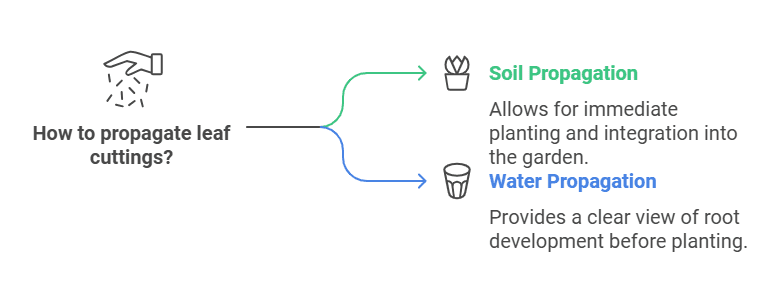
If you prefer soil propagation, insert the cuttings into lightly damp soil, keeping the environment warm and humid to encourage root growth. Whichever method you choose, patience is key, as snake plants take several weeks to establish roots and grow new shoots.

By mastering propagation techniques like division, leaf cuttings, and both soil and water propagation, you can enjoy the satisfaction of nurturing new plants while expanding your indoor jungle. With a little care and the right conditions, your snake plant propagation efforts will flourish, ensuring a continuous supply of these versatile and hardy houseplants.
Dusting and Pruning: Key Maintenance Tips for Healthy Snake Plants
Regular dusting and pruning are essential tasks to keep your snake plant thriving. These simple maintenance activities not only improve the plant’s appearance but also ensure it stays healthy and free from potential issues caused by neglect.
Dusting Leaves
Snake plants’ upright, broad leaves can easily collect dust, which blocks sunlight and reduces their photosynthesis ability. Gently wipe the leaves with a damp, soft cloth every few weeks to keep them clean and glossy. This simple step helps the plant absorb more light, especially near clean windows. Avoid using chemical leaf shine products, which can clog pores and harm the plant.
Pruning for Health and Growth
Pruning is vital for removing damaged, yellowing, or dead leaves, which can detract from the plant’s health and appearance. To prune snake plants, use sharp, sterilized scissors or pruning shears to cut the affected leaves as close to the soil as possible. Pruning during the growing season encourages new growth while preventing energy from being wasted on struggling leaves.
If your snake plant has grown too large for its space, consider thinning out overcrowded leaves or dividing it to maintain a balanced look. When thinning, remove the oldest leaves first to make room for fresh, vigorous growth.
Regularly dusting leaves and pruning strategically can keep your snake plant looking its best while promoting healthier growth. These small but impactful maintenance tasks ensure your plant remains a stunning focal point in your home.
Removing Damaged or Diseased Leaves
Spotting damaged leaves or diseased leaves? It’s time for some routine trimming. Use pruning shears or a sterile cutting tool to cut these leaves off at the soil line carefully. This helps prevent potential pest infestation and keeps your plant healthy.
Dusting the Leaves
Believe it or not, dust can hinder your plant’s photosynthesis. Gently wipe the leaves with a microfiber cloth to remove any dust buildup. This simple step allows your snake plant to absorb light more efficiently.
Best Time for Pruning
The growing season is the ideal time for most of your pruning tasks. However, a little winter pruning can be beneficial if you notice any issues. Just be gentle, as the plant is less active during colder months.
By incorporating these easy steps into your care routine, you’ll ensure your snake plant continues to thrive and look its best.
Common Problems and Troubleshooting
Overwatering and Root Rot
Signs include yellow or brown leaves and foul-smelling soil. Ensure your pot has good drainage and adjust your watering schedule.
Pests
Watch out for thrips and other pests. Treat infestations with neem oil or other natural remedies.
Leaf Discoloration
Curling or droopy snake leaves can indicate insufficient light or other issues. Adjust the plant’s location and care routine accordingly.
Fertilization Guide for Snake Plants
While snake plants are low-maintenance, providing them with the right fertilization during their active growing season can give them a valuable nutrient boost, promoting healthy growth and vibrant foliage. By understanding their specific fertilization needs, you can ensure your snake plant thrives without the risk of overfeeding.
A balanced 10-10-10 fertilizer or a general plant fertilizer is ideal for snake plants. Opt for liquid fertilizers diluted to half strength to avoid overwhelming the plant with excessive nutrients, which can damage the roots or dilute the leaf color. Applying fertilizer once a month during spring and summer, their primary growing months is usually sufficient.
For hands-off care, consider using a slow-release fertilizer that gradually provides nutrients over time. This option is perfect for plant owners who prefer minimal maintenance, as it reduces the need for frequent applications.
Avoid fertilizing during the dormant fall and winter months when the plant’s growth slows down. Feeding during this time can lead to salt buildup in the soil and unnecessary stress on the plant. Always ensure the soil is slightly moist before applying fertilizer, as feeding a dry plant can cause root burn.
By using the right type of fertilizer, such as a balanced formula diluted to half-strength, and timing your feedings to the growing season, you can help your snake plant grow stronger and healthier while maintaining its reputation as one of the easiest houseplants to care for.
Safety Concerns: Toxicity
Be cautious if you have pets or young children. Snake plants contain saponins, which can cause nausea, vomiting, and diarrhea if ingested.
Benefits of Having a Snake Plant
Beyond aesthetics, snake plants offer:
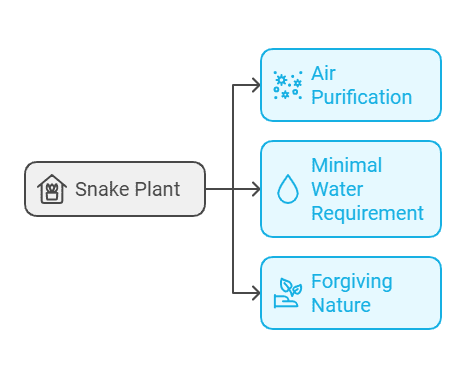
- Air purification by removing toxins.
- Minimal water requirement, making them drought-resistant.
- Forgiving nature is ideal for those new to plant care.
Enhancing Your Home with Snake Plants
Their compact growth habit and unique foliage make snake plants perfect for any space. Whether you want to add a touch of green to your office or bedroom, they’re a fantastic choice.
Final Tips for Success
- Use LED grow lights if natural light is scarce.
- Keep an eye on the soil pH to ensure optimal growth.
- Regularly check for signs of pest infestation or disease.
Join the Snake Plant Community
Caring for a snake plant is a rewarding experience. Share your journey with fellow plant enthusiasts and enjoy the many benefits this resilient plant has to offer.
Common Problems and Troubleshooting
Even though snake plants are hardy, they can still face a few issues. One common problem is overwatering, which can lead to root rot. Signs of this include yellow or brown leaves and foul-smelling soil. To prevent this, ensure your plant has good drainage and avoid using poor potting material that retains too much moisture.
If you notice curling leaves or a droopy snake plant, this might indicate insufficient light. Move your plant to a brighter spot to help it recover. Pests like thrips can also affect snake plants, causing damage to the leaves. Treat infestations by applying neem oil and regularly inspecting your plant for signs of bugs.
Monitoring these common issues and adjusting your care routine can keep your snake plant healthy and thriving.