

















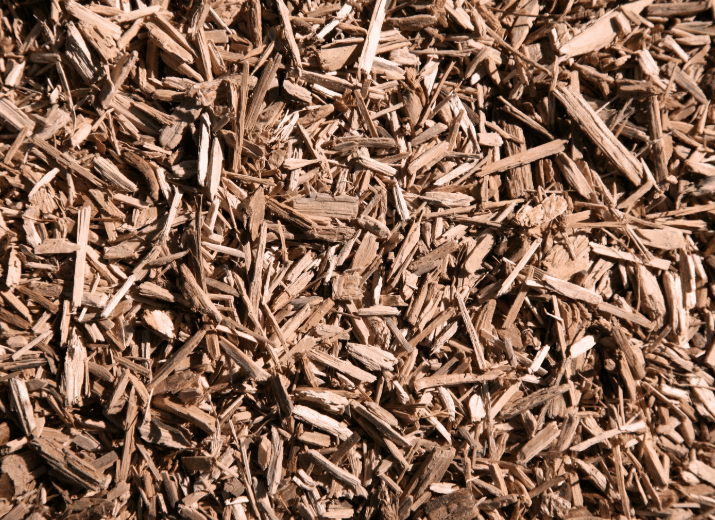
If you’re looking for a mulch that does more than just cover the ground, cedar mulch might be your garden’s new best friend. At GardenFrontier, we love sharing the “why” behind our favorite gardening choices-and cedar mulch is one we reach for time and again. Let’s dig into what makes cedar mulch stand out, where it shines, and how to use it for lush, low-maintenance beds.
Why Choose Cedar Mulch?
Cedar mulch isn’t just a pretty face in the garden. Here’s why we-and so many gardeners-love it:
-
Weed Suppression: Cedar mulch forms a dense mat that blocks sunlight, making it much harder for weeds to break through. Less weeding means more time to enjoy your garden.
-
Moisture Retention: Its absorbent nature acts like a blanket, reducing evaporation and keeping soil moist longer. This means less watering for you and happier plants, especially during hot spells.
-
Temperature Regulation: Cedar mulch insulates your soil, keeping roots cooler in summer and warmer in winter. This buffer helps perennials and shrubs handle temperature swings with ease.
-
Pest Repellent: The signature cedar aroma isn’t just pleasant for us-it’s a natural deterrent for ants, mosquitoes, termites, and even moths. Some studies suggest cedar’s aromatic oils can even kill certain pests, giving your plants an extra layer of protection.
-
Long-Lasting and Tidy: Cedar decomposes slowly, so you won’t need to replenish it as often as other mulches. Its interlocking texture also means it stays put, even in wind or rain, keeping your beds neat with minimal effort.
Where Cedar Mulch Works Best
We recommend cedar mulch for:
-
Paths and Walkways: Its durability and pest-repelling properties make it ideal for high-traffic areas and dog runs.
-
Around Established Plants: Trees, shrubs, and mature perennials love cedar mulch. It’s especially handy for moisture-loving plants that benefit from consistent soil conditions.
-
Flower Beds: Many sun-loving and shade-tolerant flowers thrive with cedar mulch, including black-eyed Susans, coneflowers, hostas, and astilbe.
A Few Cautions:
-
Avoid using cedar mulch around seedlings or newly germinated plants, as there’s some debate about whether it releases allelopathic substances that could inhibit young roots.
-
Don’t use cedar mulch in boggy, poorly drained areas or around plants prone to root rot (like succulents or cacti), as its moisture retention can be too much of a good thing.
-
For best results, keep mulch a few inches away from plant stems and tree trunks to prevent rot and encourage airflow.
How to Apply Cedar Mulch-GardenVoice Style
-
Prep the Area: Remove weeds, grass, and debris. Lay landscape fabric if you want extra weed control.
-
Edge the Beds: Use a spade or edger for a crisp, finished look.
-
Spread the Mulch: Aim for a 2–4 inch layer. Too much can suffocate roots; too little won’t do the job.
-
Keep It Clear: Leave a gap around plant bases and tree trunks.
-
Water In: Give the mulch a good soak to help it settle and start working its magic.
The GardenVoice Takeaway
Cedar mulch is a powerhouse for the busy (or just smart) gardener: it looks great, smells fresh, keeps weeds and pests at bay, and helps your plants thrive with less work. While it’s a bit pricier than basic mulches, its longevity and suite of benefits make it a worthy investment for most gardens.
Ready to give your beds a boost? Try cedar mulch this season and let your garden-and your weekends-thank you.
Happy gardening from all of us at GardenFrontier!