













Ever since I published my gas cooktop and range hood installation guide, the number one question flooding my inbox is: “Can I just use a ductless range hood so I don’t have to drill a hole in my wall?” My answer is always a hard, uncompromising NO if you are using a gas cooktop.
I learned this the hard way during my own kitchen remodel. I briefly considered a recirculating hood to avoid cutting through the siding. Within two weeks of daily cooking, I could smell lingering gas odors, the kitchen felt noticeably warmer and greasier, and the charcoal filters were already saturated. I ended up tearing out the ductless unit and installing a proper ducted system. The difference in air quality, heat removal, and long-term maintenance was dramatic.
In this guide, I break down exactly how ducted vs ductless range hood systems work, the pros and cons of each, and why cutting a hole in your siding for a ducted system is 100% worth the effort, especially with gas.
How Ducted and Ductless Range Hoods Actually Work
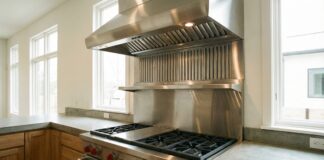
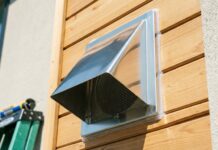
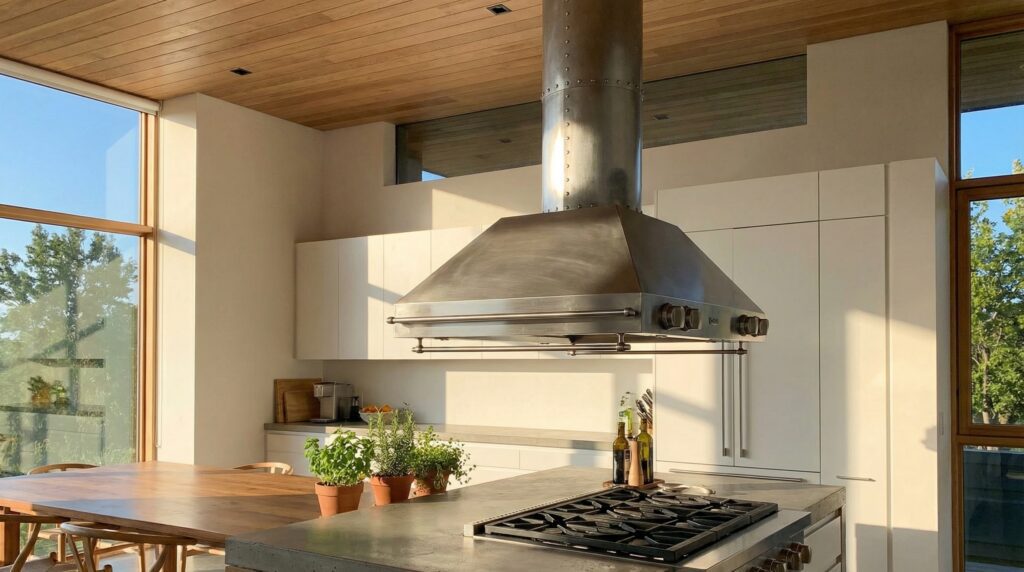
A ducted range hood pulls cooking air through stainless-steel baffle filters, then sends it straight outside through rigid ducting and a roof or exterior wall cap. It removes heat, moisture, grease, odors, and combustion byproducts completely from your home.
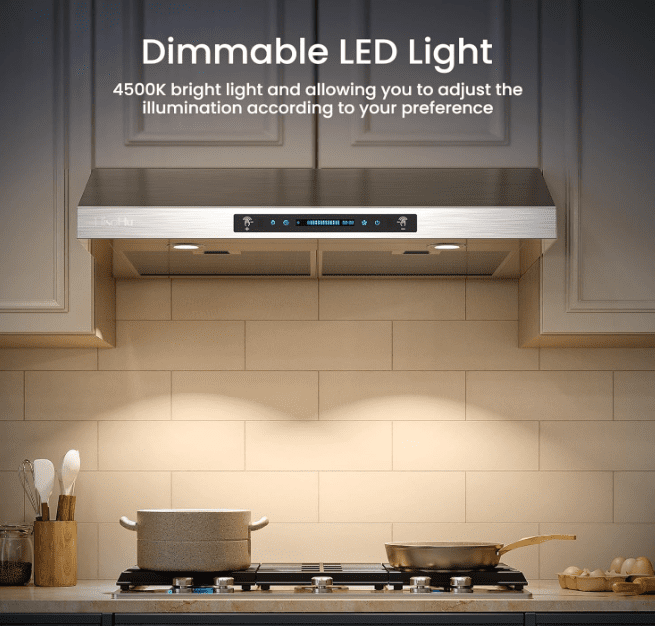
A ductless range hood (also called a recirculating range hood) pulls the same air through the filters but then pushes it through a charcoal filter and blows the “cleaned” air right back into the kitchen. It gets rid of some smells and grease, but not heat or toxic gases.
The Rule for Gas Stoves: Ductless Is Not an Option
Gas cooktops make a lot of heat, carbon monoxide, nitrogen dioxide, and water vapor. A ductless range hood for gas stoves can’t filter or remove any of those. The charcoal filters only catch some grease particles; the heat and gases go right back into the air you breathe. For this reason, building codes in most places now strongly discourage or even ban ductless hoods over gas appliances.
I use a gas cooktop that gives off 62,000 BTUs. The kitchen temperature went up 8–10°F during a 20-minute stir-fry session with the ductless hood, and the air felt heavy. The kitchen was cooler and smelled better after the same cooking session when they switched to ducted. Ducted is the only option for gas. Ductless is only okay for light electric or induction cooking in apartments where venting to the outside is not possible.
Ducted vs Ductless: Direct Comparison
✅ Ducted Range Hood Pros
- Removes heat, moisture, grease, and combustion gases completely.
- Much quieter at equivalent CFM because air is not fighting a charcoal filter.
- Permanent stainless baffle filters that go in the dishwasher.
- Far better long-term air quality and lower fire risk.
❌ Ducted Range Hood Cons
- Requires cutting a hole in the wall or roof and running ducting.
- Higher upfront cost if you pay a pro (but an easy DIY if you size your ductwork properly).
✅ Ductless (Recirculating) Range Hood Pros
- No exterior venting needed—ideal for apartments or historic homes.
- Cheaper and faster to install.
❌ Ductless (Recirculating) Range Hood Cons
- Cannot remove heat or dangerous gases from gas cooktops.
- Charcoal filters must be replaced every 3–6 months at $30–$60 each.
- Louder because air has to push through dense carbon.
- Grease eventually coats the inside of the hood and cabinets.
Maintenance Reality Check
This is where the long-term cost difference becomes obvious. Ducted hoods use washable stainless baffle filters—I pull mine out every 2–3 months, run them through the dishwasher, and they are like new. Ductless hoods rely on disposable charcoal filters. After six months, the charcoal is saturated, airflow drops, and you are breathing the same greasy air again. Over ten years, the recurring cost of charcoal filters easily exceeds the price difference of installing proper ducting.
My Verdict: Cut the Hole — It Is Worth It
I know drilling through siding feels intimidating. I felt the same way. But after living with both systems, I can tell you the ducted hood is one of the best investments I made in the entire kitchen remodel. The kitchen stays cooler, smells fresher, and the hood runs quieter on lower speeds. The one-time effort of running a duct through the wall is far easier than dealing with greasy walls, bad air quality, and constant filter replacements for the next 10–15 years.
If you are in an apartment or historic home where a vent hood outside is truly impossible, then a high-quality ductless range hood with fresh charcoal filters is better than nothing—but understand its limitations.
Quick DIY Tips If You Decide to Go Ducted
- Use smooth, rigid metal duct—never flexible.
- Keep the run as short and straight as possible.
- Seal every joint with professional HVAC foil tape.
- Install a backdraft damper at the exterior cap.
- Match the duct diameter to the hood collar (never reduce size).
The bottom line from my experience: if you cook with gas, do not settle for a recirculating range hood. Venting outside is the only way to get true performance and safety. The hole in the wall is a temporary inconvenience; poor indoor air quality is a permanent regret.
Want More Pro Kitchen Remodeling Hacks? 🏡
Choosing the right range hood completely transformed our kitchen’s air quality. If you want more step-by-step DIY home improvement guides, honest appliance reviews, and building code tips from my own renovations, head over to our homepage and join our free email newsletter!
You’ll get the smartest money-saving tutorials directly to your inbox—completely spam-free. Let’s build a safer, better home together!