
















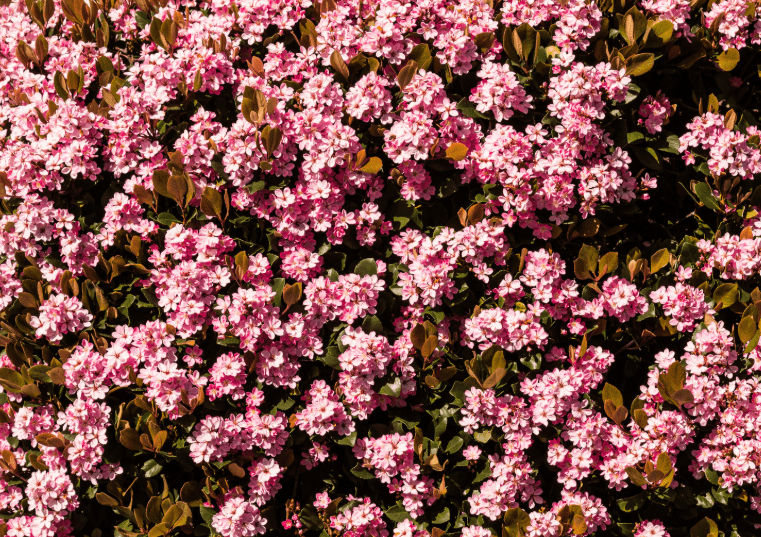
Hey there, fellow green thumbs! If you’re on the hunt for a shrub that’s a real workhorse in the garden, tough, beautiful, and not too fussy, let me introduce you to the Indian Hawthorn. Native to Southern China, these hardy Indian Hawthorn shrubs offer glossy, evergreen foliage and clusters of attractive flowers, making them a stellar choice for just about any sunny spot.
Let’s get into what makes these plants so special and how you can get one thriving in your own yard.
Finding a Role in Your Garden
Before we even get to the specific varieties, it helps to know how versatile these shrubs are. Their compact nature makes them perfect for a variety of landscape uses. They are excellent choices for foundation plantings against a house, creating neat hedges, or used in mass plantings for a wave of color and texture. Some larger cultivars can even be trained into a small tree form, serving as a lovely accent piece in the garden.
Choosing Your Cultivar
Now for the fun part—picking your plant. Indian Hawthorn comes in a wide selection of heights and widths, so you can find the perfect fit for your garden’s needs. These different types are known as cultivars.
You’ll find cultivars that produce beautiful pink or white flowers.
-
For Pink Blooms: Look for ‘Pink Lady,’ which grows 4 to 6 feet tall and wide with deep pink flowers, or the smaller ‘Calisto,’ a low-mounding selection with rose-pink blooms and burgundy highlights on its fall foliage.
-
For Classic White Flowers: The Snow White Indian Hawthorn is a popular choice, a dwarf form growing 3 to 4 feet tall with pure white blooms. ‘Clara’ is another white-blooming variety whose new foliage emerges red before maturing to green. For a later bloomer, Spring Sonata™ grows to about 4 feet tall and 5 feet wide with white flowers that appear about two weeks after other Indian Hawthorns.
-
For a Statement Piece: If you need something bigger, ‘Majestic Beauty’ can be trained into a small tree and reach 8 to 10 feet tall with fragrant, light-pink blooms.
Beyond the flowers, the foliage itself is a year-round attraction. The leaves are typically a deep green, but some cultivars offer reddish new foliage. The flowers themselves have reddish pistils and stamens, which add a nice contrast. After flowering, the shrubs produce attractive berries that ripen from blue to black in late summer and fall, providing winter interest and food for wildlife.
Getting It in the Ground
Alright, you’ve picked your plant. Now, let’s talk about getting it settled into its new home. Indian Hawthorns aren’t too demanding, but a good start makes all the difference.
Planting in the Garden
-
Find the Right Spot: These shrubs thrive in full sun, needing at least 6 to 8 hours of direct sunlight each day. While they can tolerate partial shade, you’ll get the best flowering and disease resistance in a sunny location. Good air circulation and well-drained soil are also key.
-
Dig the Hole: Your planting hole should be two to three times wider than the plant’s root ball, but only just as deep.
-
Prep the Soil: It’s a good idea to work some compost into the soil you removed from the hole to enrich it.
-
Set it In: Place the plant in the hole so the top of its root ball is either level with or slightly above the surrounding ground. This helps prevent water from pooling around the base and causing root rot.
-
Backfill and Water: Fill the hole with the amended soil, tamping it down gently to get rid of any air pockets. Once filled, give it a deep watering to help the soil settle.
Planting in Containers
Indian Hawthorns also do wonderfully in pots. Just make sure your container has plenty of drainage holes. Use a good quality, all-purpose potting soil and position the plant so the top of the root ball sits about an inch below the rim of the container. Water it thoroughly after planting.
Keeping Your Hawthorn Happy
Once established, Indian Hawthorns are fairly low-maintenance. Here’s a simple care routine to keep them looking their best throughout the growing season.
Watering and Feeding
Mature plants are quite drought-tolerant, but they perform best with consistent moisture. Let the soil dry out a bit between waterings to avoid root rot. It’s best to use a soaker hose or drip irrigation to deliver water directly to the roots and keep the evergreen foliage dry, which helps prevent fungal diseases. Feed your Indian Hawthorn in the early spring with a balanced, slow-release fertilizer to kickstart its growth.
A Little Trim
Pruning is rarely necessary but can be done to shape the plant. The best time for a trim is right after it finishes flowering in late spring or early summer. Use sharp pruning shears to snip off any dead or damaged branches. You can also thin out crowded areas to improve air circulation.
What Are the Most Common Problems with Indian Hawthorn?
The most significant of the disease problems is Entomosporium leaf spot, a fungal disease that causes red spots on the foliage. Proper care, including full sun and free air circulation, is the best prevention. Minor pests like aphids can also appear, and the shrub is susceptible to cold damage.
-
Entomosporium Leaf Spot: This is the most common issue affecting Indian Hawthorn. Caused by a fungus, this leaf spot appears as tiny, round, red spots on the leaves, which can merge into larger blotches. Severe infections can cause leaves to drop. The best prevention is to plant disease-resistant cultivars, provide full sun and good air circulation, and avoid overhead watering. Raking up and disposing of fallen leaves can also help control the spread.
-
Other Pests: Keep an eye out for pests like aphids and scale, which can occasionally become a problem.
-
Cold Damage: Indian Hawthorns are sensitive to cold damage and may be killed in severe winters, especially if already stressed by disease or poor conditions. If you live in a colder part of its growing zone, plant it in a protected location.