















If you’re anything like me, your kitchen shelves are lined with bottles of hot sauce, each one a story waiting to be tasted. For those who crave a bit of fire in every meal, making your own hot sauce is a rewarding journey that starts right in the garden. Let’s dig into how you can transform your backyard harvest into a signature sauce that’s as unique as your garden itself.
Why Grow Your Own Peppers for Hot Sauce?
There’s magic in watching a seed become a plant and, eventually, a bottle of hot sauce. Growing your own peppers gives you control over flavor, heat, and quality. Plus, it’s a thrill to experiment with different varieties, blending colors and capsaicin levels to create something truly your own. Whether you’re after a gentle glow or a tongue-tingling inferno, the choice is yours—and it all starts with the right pepper.
The Pepper Palette: Choosing Your Heat
Peppers come in every color of the rainbow and a dizzying range of heat levels, thanks to the Scoville scale. Here’s how to pick the perfect peppers for your hot sauce adventure:
-
Sweet/Mild (0–2,500 Scoville Units):
-
Paprika – Dried and ground, adds color and subtle warmth.
-
Aji Panc – Deep red, mild, and fruity.
-
Poblano – Dark green, ripens to red or brown, often dried as ancho.
-
Hatch – Long, curved, and perfect for stuffing or roasting.
-
Peppadew – Sweet and tangy, a South African favorite.
-
-
Medium (2,501–15,000 Scoville Units):
-
Pasilla – Dried chilaca, mild to medium, earthy flavor.
-
Cascabel – Small, round, and nutty.
-
New Mex Big Jim – Large, mild, and meaty.
-
-
Medium Hot (15,001–100,000 Scoville Units):
-
Jalapeño – Versatile, from mild to spicy.
-
Serrano – Hotter than jalapeño, crisp and bright.
-
-
Hot (100,001–300,000 Scoville Units):
-
Fatalii – Citrusy and fiery.
-
Orange Habanero – Fruity with intense heat.
-
Scotch Bonnet – Sweet, fruity, and seriously hot.
-
-
Superhots (300,001+ Scoville Units):
-
Red Savina Habanero – One of the hottest habaneros.
-
Naga Jolokia (Ghost Pepper) – Legendary heat.
-
Trinidad Moruga Scorpion – Extreme fire.
-
Carolina Reaper – The current world record holder.
-
The Secret Sauce: Beyond the Pepper
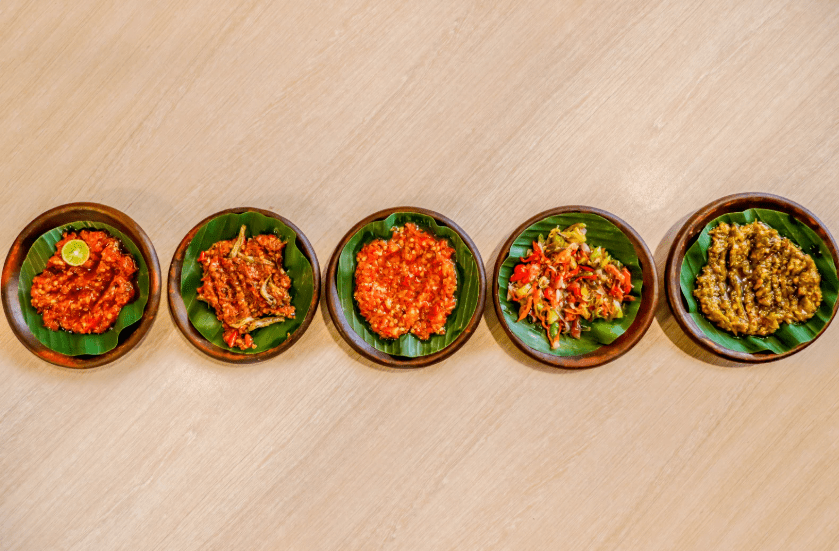
Hot sauce isn’t just about heat—it’s about balance. The perfect sauce dances between sweet, acidic, and spicy. Here are some tips to elevate your homemade hot sauce:
-
Sweetness: Add roasted garlic, caramelized onions, or ripe fruit like mango or pineapple.
-
Acidity: Use vinegar (apple cider, white, or rice), citrus juice, or fermented brine.
-
Umami: A dash of soy sauce or fish sauce can deepen the flavor.
-
Herbs and Spices: Experiment with cilantro, oregano, cumin, or smoked paprika.
Garden Wisdom: Tips for Growing Peppers
-
Start Early: Peppers love warmth. Start seeds indoors 8–10 weeks before the last frost.
-
Sun and Soil: Plant in full sun and well-draining soil. Add compost for extra nutrients.
-
Water Wisely: Keep soil moist but not soggy. Mulch to retain moisture.
-
Cross-Pollination: If you want true-to-type seeds, keep pepper varieties separated. Otherwise, embrace the surprise!
-
Harvest: Pick peppers when they’re fully colored for maximum flavor and heat.
Hot Sauce Experiments: Try This at Home
-
Roasted Pepper Sauce: Char peppers on the grill or under the broiler for a smoky depth.
-
Fermented Hot Sauce: Ferment peppers with salt and water for a tangy, complex flavor.
-
Fruit-Infused Hot Sauce: Blend peppers with mango, peach, or pineapple for a sweet-heat combo.
-
Instant Gratification: Simmer fresh peppers with vinegar, garlic, and salt for a quick, bright sauce.
The Joy of Sharing
One of the best parts of growing your own peppers is sharing the bounty. Bottle your sauces in colorful jars, label them with creative names, and gift them to friends and family. They’ll taste the love—and the heat—in every drop.
Your Garden, Your Signature
There’s no right or wrong way to make hot sauce. The best sauce is the one that makes your taste buds sing. So plant a rainbow of peppers, experiment fearlessly, and let your garden be the inspiration for your next culinary masterpiece.