

















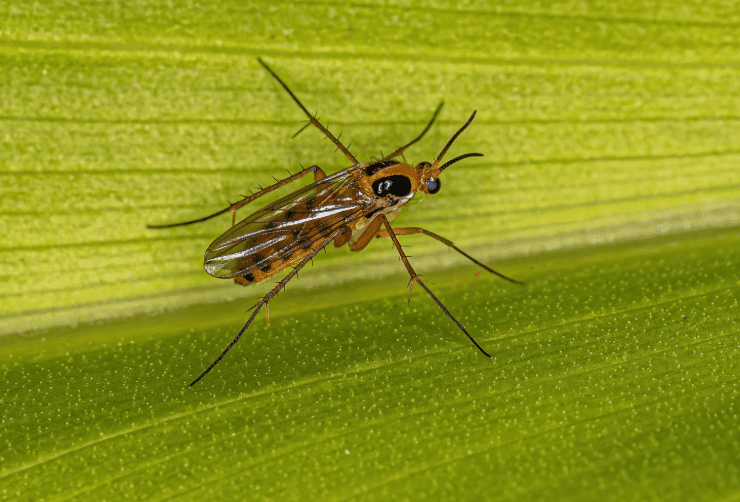
Gnats can be a pesky problem, especially in urban and school environments. These tiny insects thrive in moist conditions, often making their presence known in our homes and gardens. Understanding how to get rid of gnats is essential for maintaining healthy, vibrant spaces.
Fungus gnats, in particular, are a common nuisance for houseplant enthusiasts. They love damp soil, which provides the perfect breeding ground. Overwatering is a frequent culprit, leading to infestations that can be challenging to control.
Fortunately, there are eco-friendly solutions to tackle these pests. From natural repellents to sustainable gardening practices, you can manage gnats without harming the environment. Urban planners and educators can benefit from these methods, integrating them into green spaces and school projects.
By learning about gnat habits and prevention strategies, you can create resilient, gnat-free environments.
We will explore practical steps to eliminate gnats and promote sustainability. Let’s embark on this journey to healthier, more harmonious spaces.
Understanding Gnats: Types and Habits
Gnats, though small, can cause considerable disturbance in our homes and gardens. Primarily, they are attracted to moist and organic environments. Understanding their behaviors and preferences is the first step in controlling them effectively.
There are several types of gnats that may invade your space. The most common include fungus gnats, fruit flies, and drain flies. Each has unique habits and environments where they thrive.
- Fungus gnats: Found in damp soil, particularly around houseplants.
- Fruit flies: Attracted to ripened or rotting fruits and vegetables.
- Drain flies: Prefer the slimy residue that can build up in drains.
Fungus gnats, in particular, are often found indoors around houseplants. They lay their eggs in moist soil where larvae can feed on organic matter. This cycle continues until conditions change or are disrupted. By understanding these preferences, you can target and reduce their populations more effectively.
Why Gnats Thrive: Common Causes and Environments
Gnats thrive in conditions where moisture and organic material are abundant. These environments provide them with food and places to lay eggs. Understanding these causes is vital for prevention.
Some of the common reasons for gnat infestations include:
- Overwatering: This creates the perfect moist soil for fungus gnats.
- Rotting produce: Leftover fruits attract fruit flies with ease.
- Clogged drains: Drain flies flourish in stagnant water and debris.
Additionally, poor ventilation can increase humidity, creating a more inviting environment for gnats. Urban settings with excess waste can also contribute to their populations. By identifying these causes, you can take proactive steps to alter these environments, making them less appealing to gnats and reducing their numbers significantly.
Identifying Gnat Infestations: Signs to Watch For
Spotting a gnat infestation early can save time and hassle. These tiny invaders often go unnoticed until they become a nuisance. Observing your environment closely can help identify their presence.
Watch for these telltale signs of gnat infestations:
- Small, swarming bugs: Notice groups hovering near plants or drains.
- Wilting plants: This might signal soil-dwelling gnats affecting roots.
- Sudden increase: See a rise in small, fly-like insects indoors.
In homes, gnats often gather around moisture sources, like sinks or waterlogged plants. Outdoors, they may be found near compost or in dense vegetation. Recognizing these signs can prompt immediate action, helping you get rid of gnats before they become overwhelming.
How to Get Rid of Fungus Gnats in Houseplants
Fungus gnats can be pesky houseguests, thriving in the damp soil of indoor plants. Overwatering is often the main culprit, providing the perfect breeding ground. Adjust your watering habits to allow the top inch of soil to dry between waterings.
Consider these effective methods to eliminate fungus gnats:
- Yellow sticky traps: Place them near affected plants to catch adult gnats.
- Neem oil: Apply it to the soil to deter insects naturally.
- Hydrogen peroxide mix: Use it in a diluted form to target larvae.
Beneficial nematodes are another option, attacking gnat larvae in the soil. This tiny predator offers a natural and eco-friendly solution. Adjusting your plant care routine is essential in preventing recurrence.
Frequent inspection of your houseplants can catch infestations early. Look for wilting or yellowing leaves, which are potential signals of gnat issues. With these strategies, you’ll reclaim your indoor garden from uninvited guests, ensuring your plants thrive in peace.
[azonpress template=”grid” columns=”3″ asin=”B0CBW6MSKF,B0CBW8BD3P,B0DWSC87TR”]
Natural and Eco-Friendly Ways to Get Rid of Gnats
Embracing natural methods to tackle gnats aligns with sustainable gardening practices. Such methods not only preserve the environment but also enhance your garden’s ecosystem. Eco-friendly solutions effectively manage gnat populations without harmful chemicals.
Consider these natural remedies for gnat control:
- Apple cider vinegar traps: Mix vinegar with a few drops of dish soap in a dish to attract and trap gnats.
- Essential oils: Oils like peppermint or tea tree act as repellents when diluted and sprayed in gnat-prone areas.
- Diatomaceous earth: A light dusting on soil surfaces can effectively desiccate and deter gnats.
Proper ventilation in your space is crucial in deterring gnats. They thrive in humid environments, so reducing indoor humidity helps. Composting right and covering bins can prevent attracting unwanted gnats as well.
Promoting biodiversity with companion planting encourages natural predators. This approach reduces not just gnats, but a variety of garden pests naturally. By employing these eco-conscious solutions, you’ll foster a healthier, gnat-free environment, enhancing both biodiversity and sustainability. This approach turns pest control into a rewarding endeavor, balancing care for your plants with respect for nature.
Preventing Gnats Indoors: Sustainable Strategies
Preventing gnats from invading your indoor spaces requires a proactive approach. Start by ensuring that conditions are not conducive to gnat breeding. Keep areas dry and well-ventilated to discourage their presence.
Regular maintenance is key. Frequently check and clean potential gnat habitats like drains and trash bins. It’s also essential to manage houseplants carefully, avoiding overwatering, which attracts gnats.
To prevent gnats indoors, consider these sustainable strategies:
- Use proper watering techniques: Only water when necessary.
- Maintain clean surfaces, especially in the kitchen.
- Store produce correctly: Keep ripe fruits covered or refrigerated.
Integrating these simple yet effective strategies into your routine can significantly reduce Gnat presence. A holistic and sustained effort helps maintain a gnat-free home. By focusing on prevention, you create a healthy environment for both plants and residents, fostering a space that supports well-being without the annoyance of pests.
Outdoor Gnat Control: Urban and School Settings
Controlling gnats in outdoor settings involves understanding their habits. Gnats thrive in moist and shaded areas, common in both urban and school gardens. It’s crucial to address these conditions.
Urban planners and school administrators can design landscapes to minimize gnat presence. This includes using plants that naturally repel gnats and designing water features that discourage stagnant water.
Moreover, community involvement is vital. Encouraging local residents and students to participate in garden maintenance fosters awareness and commitment to pest control.
Consider these methods for outdoor gnat control:
- Utilize native plants: Support local ecosystems and reduce pests.
- Promote biodiversity: Encourage natural predators of gnats.
- Implement rain gardens: Manage stormwater effectively.
By adopting these strategies, both urban and school environments can become healthier and more resilient. Emphasizing natural solutions supports a balanced ecosystem, reducing reliance on chemical pest controls and promoting ecological harmony.
Integrating Gnat Control into Urban Planning and School Projects
Integrating gnat control into urban planning and school projects requires a thoughtful approach. Urban planners and educators must consider eco-friendly methods that align with their goals of community well-being and education.
The first step is to incorporate pest management solutions into the design phase. This might involve selecting plants that naturally deter gnats or constructing facilities that minimize moisture accumulation.
In school settings, gnat control can be an educational tool. Students can learn about sustainable practices through hands-on activities and experiments. By involving them in projects that focus on pest control, they gain valuable insights into ecology.
Effective strategies might include:
- Companion planting: Use plants that repel gnats next to susceptible ones.
- Regular maintenance: Schedule upkeep to prevent moisture buildup.
- Educational workshops: Teach sustainable gardening techniques.
These efforts not only manage gnat populations but also promote environmental consciousness within the community.
Teaching and Learning: Educational Activities on Gnat Management
Educational activities focused on gnat management can deeply engage students. By exploring the lifecycle of gnats, students learn valuable lessons about ecology and sustainability.
Hands-on projects, such as creating natural gnat traps, encourage problem-solving and collaboration. These activities make science tangible and foster curiosity about the natural world.
Potential educational activities include:
- Building gnat traps: Use household items like vinegar and soap.
- Observation logs: Track gnat behavior over time.
- Role-playing games: Simulate ecosystems to understand ecological balance.
These interactive approaches not only provide knowledge but also inspire a commitment to sustainable practices. Engaging students in this way builds a foundation for lifelong environmental stewardship.
Frequently Asked Questions About Gnats
Gnats often appear in our homes and gardens, leading to many queries. Here are answers to common gnat-related questions to help you understand and manage these pests more effectively.
Gnats might be small, but their impact can be significant. By understanding their habits and preferences, you can prevent infestations effectively. Whether you’re nurturing houseplants or maintaining urban landscapes, adopting natural and sustainable strategies makes all the difference.
Creating gnat-free environments involves more than just individual efforts. It requires community engagement and education. Urban planners, school teachers, and gardeners alike can work together to foster environments that are both healthy and vibrant. Together, we can balance human needs with the natural ecosystem.
Ultimately, gnats highlight the importance of holistic care for our environments. By building resilient spaces, we enhance not only our daily lives but also support the broader ecological community. Let’s cherish our gardens and green spaces, transforming them into havens for all.