














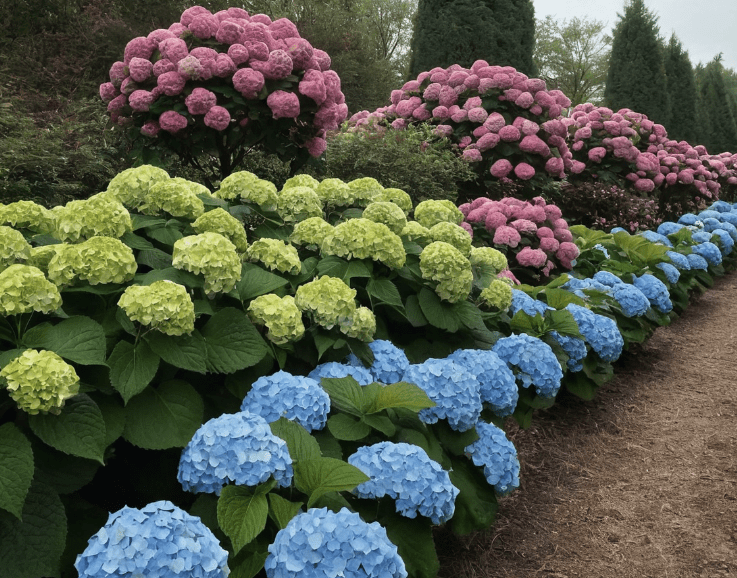
As the crisp autumn air gives way to the chill of winter, gardeners everywhere turn their attention to the beloved hydrangea. These enchanting shrubs, with their voluminous blooms and vibrant colors, are a staple in worldwide gardens.
But how do they fare when the temperatures drop? Understanding the cold hardiness of hydrangeas is essential for bloom preservation and ensuring your garden remains a floral paradise year after year.
Cold Tolerance of Hydrangeas
Hydrangeas are a diverse group of plants, each with its level of cold tolerance. Hydrangea cold tolerance varies significantly between species, affecting bud survival and overall plant health during extreme cold. Temperature swings and unexpected weather events can lead to cold damage, impacting the upcoming gardening season.
How Cold is Too Cold?
Most hydrangeas can withstand temperatures down to -10°F (-23°C), but this depends on the species and the plant’s acclimation to the cold. Winterizing hydrangeas is crucial in regions where temperatures frequently dip below this threshold. Extreme cold can damage flower buds, leading to a lack of blooms in the following season.
Cold-Tolerant Hydrangea Varieties
For gardeners in colder climates, selecting the right hydrangea species is key. Here are some varieties known for their hardiness:
Hydrangea Paniculata (Panicle Hydrangea)
One of the most cold-tolerant hydrangea types, Hydrangea paniculata, thrives in USDA zones 3-8. It blooms on new wood, producing flowers on the current year’s growth—a boon for areas with harsh winters.
Hydrangea Arborescens (Smooth Hydrangea)
Also blooming on new wood, Hydrangea arborescens varieties like ‘Annabelle’ are reliable bloomers even after cold winters. They prefer well-draining soil and regular water, tolerating drought and poor drainage.
Hydrangea Quercifolia (Oakleaf Hydrangea)
Oakleaf hydrangea is valued for its root hardiness and extreme heat and cold tolerance. Its unique foliage adds interest to the garden even when not in bloom.
Hydrangea Serrata ‘Blue Billow’
A mountain hydrangea, H. serrata ‘Blue Billow’ is more compact and cold-hardy, making it suitable for colder regions. Its delicate lacecap flowers add a subtle charm to any garden.
Hydrangea Care During Winter
Proper hydrangea care during the colder months ensures healthy plants and abundant blooms come spring.
Pruning and Maintenance
Avoid heavy pruning in late fall. For varieties that bloom on old wood, such as bigleaf hydrangea (H. macrophylla), pruning should be done immediately after flowering to avoid cutting off next year’s buds.
Mulching
A winter mulch layer helps regulate soil temperature, protecting the root environment from freezing temperatures. Materials like straw, pine needles, or shredded bark are effective.
Protecting from Wind
Desiccating winds can cause dry leaves and crispy leaves. Setting up a windbreak or wrapping plants with burlap on stakes shields them from harsh winter winds.
Hydrangeas for Specific Garden Needs
Selecting hydrangeas based on your garden’s unique conditions can enhance plant performance and satisfaction.
Compact Spaces
Consider the Endless Summer series, which offers reblooming and compact varieties for smaller gardens. These rebloomers flower on old and new wood, providing a longer flowering season.
Shade Tolerance
Hydrangeas like climbing hydrangea (H. anomala petiolaris) thrive in partial or dappled sunlight, making them ideal for shaded areas.
Pollinator Gardens
Incorporate hydrangeas with lacecap flowers, such as H. serrata ‘Tuff Stuff’, to attract pollinators. Their open flower structures make nectar accessible to bees and butterflies.
Identifying Frost Damage
After a cold snap or late-season freeze, inspect your hydrangeas for signs of frost damage:
- Blackened flower buds or dried flower buds
- Wilted leaves that turn dark brown leaves or black leaves
- Red or purple leaves, indicating stress
Early detection allows timely intervention, potentially saving the plant from further harm.
Mitigating Weather Extremes for Hydrangeas
Extreme weather requires proactive measures to protect your hydrangeas.
Site Selection
Plant hydrangeas in a sheltered location near a building or fence to reduce exposure to harsh elements.
Raised Beds
A raised garden bed improves drainage, preventing poor drainage issues that can harm hydrangeas during wet winters.
Winter Protection Techniques
- Use burlap on stakes to create a protective barrier.
- Apply a thick layer of winter mulch around the base.
- For container-grown hydrangeas, consider container-growing plants that can be moved to a sheltered area.
Preventing Winter Damage
Preparation is the best defense against winter woes.
Hardening Off
Gradually acclimate your hydrangeas to colder temperatures in the fall. This process, known as hardening off, strengthens the plants’ resilience.
Mulch and Soil Care
Maintain a healthy mulch layer to insulate the soil. Well-draining soil prevents root rot during periods of heavy precipitation.
Wrapping Plants
Wrapping plants with burlap or frost cloth can prevent cold damage in regions prone to desiccating wind and extreme cold.
Expert Tips and Resources
For more in-depth guidance, consider resources like Lorraine Ballato’s hydrangea care books or tune into gardening podcasts for pro tips. Many nurseries offer collections of hydrangeas suited for various climates; don’t hesitate to shop now and expand your garden’s potential.
Conclusion
You can enjoy these beautiful plants year-round if you know and care about hydrangeas‘ cold hardiness. Your hydrangeas will survive the winter and flourish in the spring if you choose the right varieties, follow the right care instructions, and take proactive measures to mitigate weather extremes.
Remember that a gardener’s preparation and knowledge are the best tools for a successful garden. With confidence, welcome the changing of the seasons, knowing that your hydrangeas are ready to bloom beautifully and are well-protected.