












If you mention “hydrangeas” to most gardeners in drought-prone areas, they will likely roll their eyes. Hydrangeas have a notorious—and somewhat unfair—reputation as massive “water hogs” that wilt at the first sign of a hot summer afternoon. But after decades of designing resilient, water-wise landscapes, I can confidently tell you that this is a myth born from planting the wrong species in the wrong place.
You absolutely can have massive, stunning hydrangea blooms in dry climates without running your water bill through the roof. The secret lies in moving away from the classic, thirsty florist varieties and embracing the rugged, drought-tolerant hydrangea species that have adapted to survive harsh conditions. Let’s break down exactly which varieties to plant and how to train their root systems for ultimate drought resilience.
The Most Drought-Tolerant Hydrangea Species
Not all hydrangeas are created equal. If you live in a hot zone (USDA Zones 7-9) or face frequent watering restrictions, these are the species you need to target.
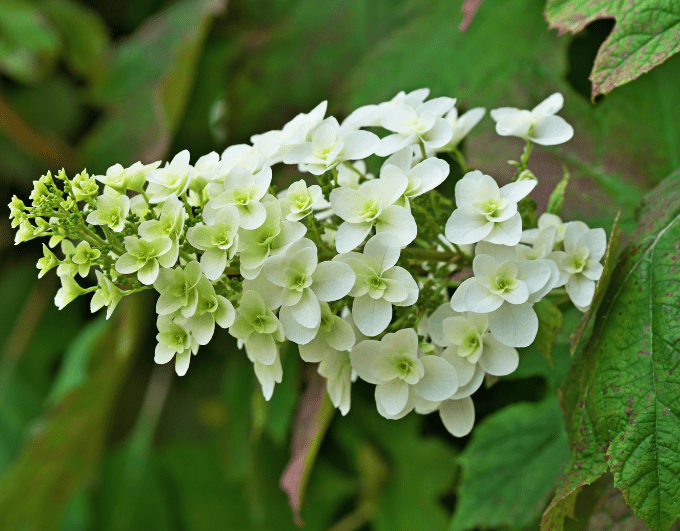
1. Hydrangea Quercifolia (Oakleaf Hydrangea) – The Ultimate Survivor
If there is a champion of the drought-tolerant hydrangeas, it is the native Oakleaf Hydrangea. Why is it so resilient? It comes down to biology. The Oakleaf has incredibly deep taproots that hunt for underground moisture. Furthermore, the undersides of its thick, leathery leaves are fuzzy (tomentose), which drastically reduces moisture loss through transpiration.
Top Cultivars: ‘Snow Queen’, ‘Alice’, ‘Ruby Slippers’
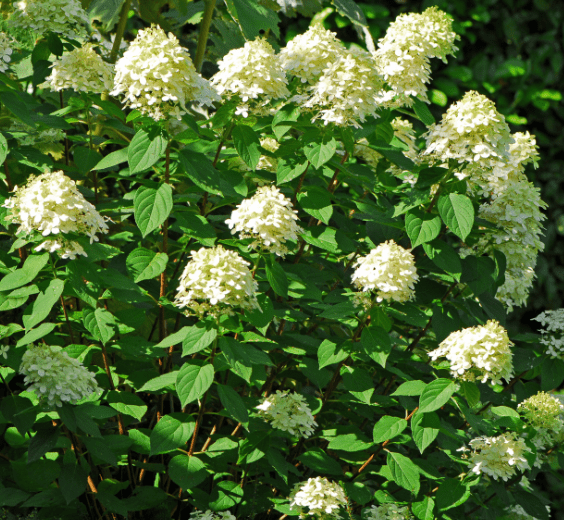
2. Hydrangea Paniculata (Panicle Hydrangea) – The Sun Lover
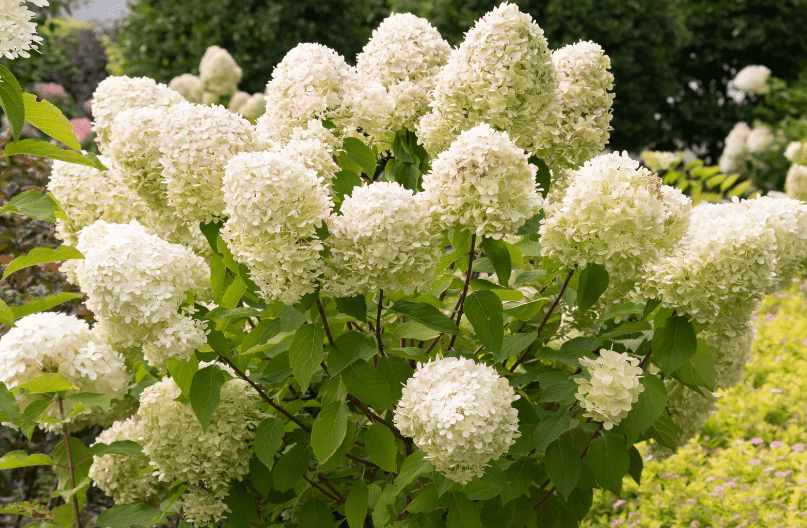
While most hydrangeas beg for afternoon shade, the Panicle Hydrangea thrives in full, baking sun. They are highly adaptable to poor soils and, once established (usually after their second growing season), they can handle prolonged dry spells with ease. Their massive cone-shaped blooms are a staple in water-wise landscapes.
Top Cultivars: ‘Limelight’, ‘Bobo’, ‘Little Lime’
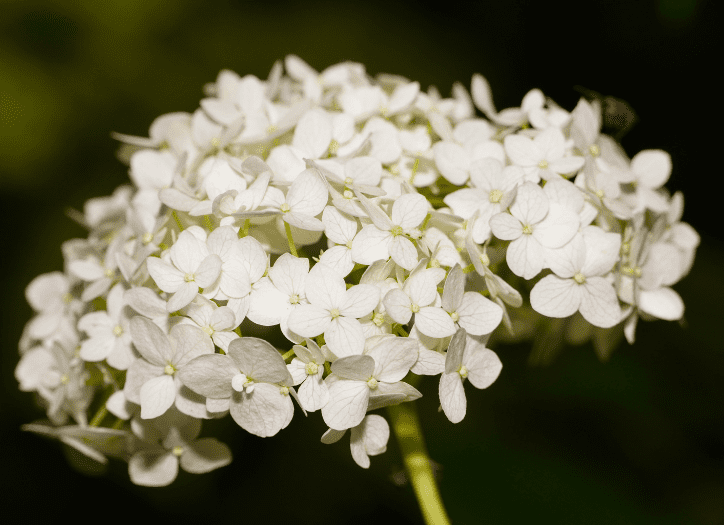
3. Hydrangea Arborescens (Smooth Hydrangea) – The Adaptor
Native to the eastern United States, the Smooth Hydrangea is surprisingly tough. While it prefers consistent moisture, its massive, sprawling root system allows it to bounce back quickly from drought stress. It handles rocky and sandy soils much better than the delicate Asian varieties.
Top Cultivars: ‘Annabelle’, ‘Incrediball’
The Species to Avoid in Dry Climates
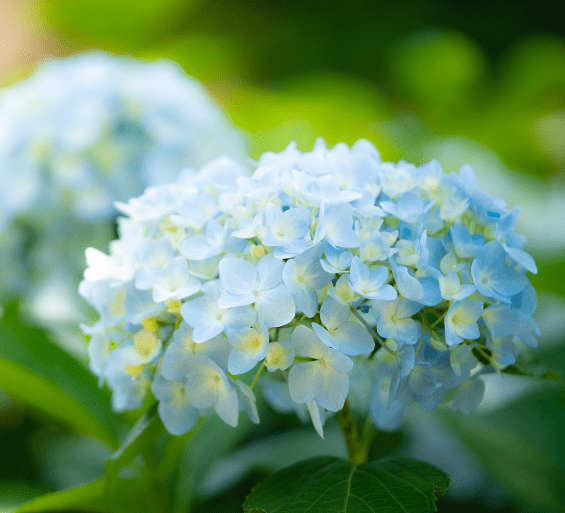
If you want a low-water garden, avoid Hydrangea Macrophylla (Bigleaf Hydrangea). These are the classic blue and pink mopheads you see in florist shops. Their large, thin leaves act like giant solar panels that evaporate water rapidly. Even with constant watering, they will flag and droop dramatically in the afternoon heat.
Expert Tips to Drought-Proof Your Hydrangeas
Even the toughest Oakleaf or Panicle hydrangea needs a little help to establish maximum drought resistance. Here is how professional landscapers train plants to survive on less water.
The biggest mistake gardeners make is giving hydrangeas a light sprinkle of water every day. This encourages weak, shallow roots that burn up in the heat. Instead, water deeply and infrequently (once or twice a week). Soak the ground so the water penetrates 8-10 inches down. This forces the roots to dive deep into the cooler, moist earth, making the plant naturally drought-resistant.
1. Install Drip Irrigation or Soaker Hoses
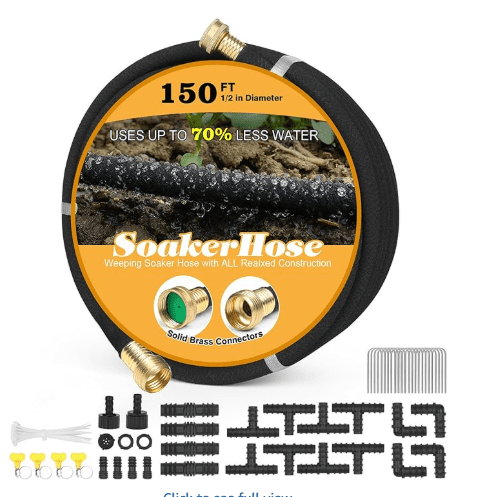
Overhead sprinklers waste water through evaporation and encourage fungal diseases on the leaves. Use a soaker hose buried under a layer of mulch. This delivers water directly to the root zone with zero waste.
2. The Magic of Hardwood Mulch
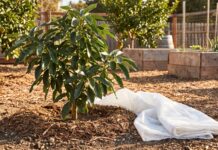
Never leave the soil bare around a hydrangea. Apply a thick, 3-inch layer of shredded hardwood mulch or pine straw around the base of the plant (keeping it a few inches away from the actual woody stems to prevent rot). Mulch acts as an insulator, keeping the soil cool and reducing water evaporation by up to 50%.
3. Amend with Compost, Not Peat Moss
Sandy soils drain too fast, leaving roots dry. When planting, amend your soil heavily with rich, organic compost. Compost acts like a sponge, holding onto moisture and slowly releasing it to the roots. Avoid peat moss, as it can actually repel water once it dries out completely.
Frequently Asked Questions
Why does my hydrangea droop in the afternoon even when the soil is wet?
This is a natural defense mechanism called “flagging.” During extreme afternoon heat, the plant loses water through its leaves faster than the roots can pull it up from the soil. The leaves droop to reduce their surface area facing the sun. If the soil is moist, do not water it. It will perk back up naturally as the sun goes down. Overwatering a flagging hydrangea will drown the roots.
How long does it take for a hydrangea to become drought-tolerant?
No plant is drought-tolerant on day one. A newly planted hydrangea requires consistent, deep watering for its first 12 to 18 months to establish a deep root system. By its second or third summer, species like Oakleaf and Panicle hydrangeas will be fully established and capable of handling dry spells.
Can I use water-retaining crystals in the soil?
Yes, agricultural hydrogels (water-retaining crystals) can be mixed into the planting hole. They absorb excess water during rain or irrigation and slowly release it back into the root zone as the soil dries. However, heavy organic compost achieves a very similar result while also feeding the soil microbiome.