















Periwinkle plants remain one of the most reliable garden flowering options, with significant improvements in recent years. Today’s varieties offer enhanced disease resistance, more vibrant colors, and improved vigor.
Types Of Periwinkle Plants
There are two main types of plants commonly called “periwinkle”:
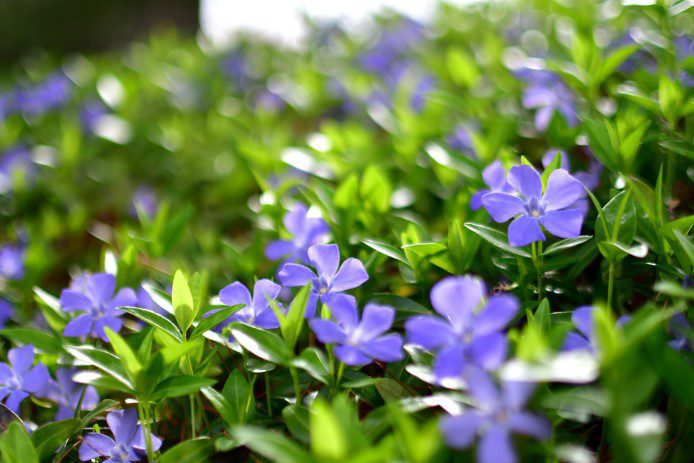
Vinca minor (Common Periwinkle)
-
Low-growing evergreen ground cover (4-6 inches tall)
-
Blue, purple, or white star-shaped flowers
-
Hardy perennials are used primarily for shade gardens and erosion control
Catharanthus roseus (Madagascar Periwinkle)
-
Also called annual vinca or rosy periwinkle
-
Upright shrubby plant growing 10-20 inches tall
-
Glossy green foliage with flowers in white, pink, purple, and red shades
-
Tropical perennials are usually grown as an annuals in most regions
Latest Periwinkle Varieties for 2025
The periwinkle market continues to evolve with exciting new introductions:
Titan-ium™ Series (2025 Release)
-
Features high resistance to some strains of aerial Phytophthora
-
14-16 inches tall with 10-12 inch spread
-
Available in Punch, White, Dark Red, Apricot, Really Red and Polka Dot
-
Flowers 10-14 days earlier than previous varieties
Vinca ‘Sphere Polkadot’
-
Named a 2025 All-America Selections National Winner
-
Demonstrates superior garden performance in national trials
Solarscape® XL Series
-
Larger plant size (11-13 inches tall, 18-20 inch spread)
-
New colors for 2025 include Lilac Spark and Pink Jewel
-
Large flowers measuring 2.5-2.75 inches across
Popular Periwinkle Cultivars
Common Periwinkle (Vinca minor) Varieties:
-
‘Jekyll’s White‘: Abundant white flowers
-
‘Alba‘: Clean white blossoms
-
‘Azurea Flore Pleno‘: Vibrant purple double flowers
-
‘Sterling Silver‘: Deep blue flowers with white-edged leaves
-
‘Illumination‘: Features yellow splotches in leaf centers
-
‘Moonlit‘: Double lavender flowers with yellow variegation
Periwinkle Care Requirements
Planting Time
You’re right that planting time is crucial. Madagascar periwinkle should be planted 2-3 weeks after the last frost when soil is thoroughly warm (above 60°F nighttime temperatures)
Light Requirements
-
Full sun (6+ hours daily) produces the most flowers
-
Will tolerate partial shade but with reduced flowering
Soil Preference
-
Well-draining soil is critical to prevent root rot
-
Can thrive in poor soil conditions
-
May develop chlorosis in highly alkaline soils (as you mentioned)
Watering
-
Moderate watering until established
-
Once established, highly drought-tolerant
-
Overwatering is the most common cause of problems
-
Allow soil to dry between waterings
Fertilizer
-
Light feeding with a balanced fertilizer
-
For potted plants: liquid fertilizer every 2-3 weeks
-
For garden plants: slow-release fertilizer at planting time
-
Excessive fertilizer can reduce flowering
Spacing
-
Space Madagascar periwinkle plants 12-18 inches apart
-
They will fill in quickly during the growing season
Disease Resistance Improvements
Modern breeding has significantly addressed the disease issues you mentioned:
-
Clemson University researchers helped develop the Cora XDR series with resistance to Phytophthora blight9
-
The new Titan-ium series offers resistance to aerial Phytophthora while maintaining quick flowering and attractive blooms
-
Research shows that specific periwinkle genes (like strictosidine β-glucosidase) are being studied for their role in disease resistance5
Common Problems And Solutions
Disease Prevention
-
Plant in well-draining soil
-
Avoid overhead watering to prevent fungal issues
-
Use disease-resistant varieties like Titan-ium or Cora XDR series
-
Provide proper spacing for air circulation
Iron Chlorosis
-
As you noted, this can be a problem in alkaline soils
-
Treatment with iron chelates or iron sulfate is effective
-
Adding organic matter when planting can help prevent this issue47
Pests
-
Generally resistant to most pests
-
Occasionally affected by aphids or spider mites
-
Natural predators or insecticidal soap can address these issues3
Landscape Uses
Madagascar periwinkle works beautifully in:
-
Flower beds and borders
-
Container gardens and hanging baskets
-
Hot, sunny spots where other flowers struggle
-
Low-water gardens and xeriscapes
Your instinct about periwinkle’s growing popularity is correct – modern varieties with improved disease resistance, vibrant colors, and heat tolerance make these plants a staple for summer color in warm regions. The newer cultivars available for 2025 continue this trend of improvement, making Periwinkle a garden standout worth reconsidering.