













Every gardener dreams of that perfect lawn, smooth, level, and inviting. After twenty years of helping homeowners achieve their garden goals, I’ve learned that the foundation of any beautiful lawn starts beneath the surface. That’s where a three-point lawn roller becomes your most trusted ally.
While many view lawn rolling as just another chore, I see it as an art form. Each pass across your yard is like smoothing a canvas, preparing it for the masterpiece that follows. The three-point hitch system transforms this task from backbreaking work into a meditation on patience and care.
Three-Point Lawn Roller Mechanics
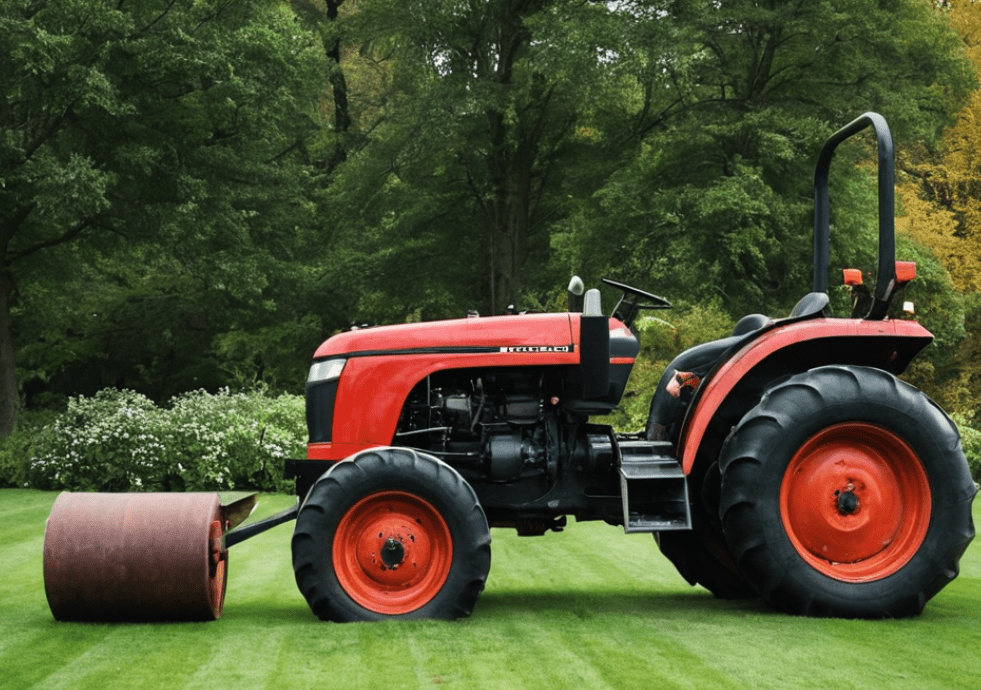
A three point lawn roller connects directly to your tractor’s hydraulic system, creating a seamless partnership between machine and purpose. Unlike push rollers that leave you exhausted after an hour, this attachment works with your tractor’s power to cover large areas efficiently.
The magic happens in three key ways:
-
Weight distribution: Fill the roller with water or sand to achieve the perfect compaction pressure for your soil type
-
Stable attachment: The three-point hitch eliminates the wobbling and uneven pressure that plague other roller types
-
Controlled compaction: You determine the speed and pressure, ensuring optimal soil contact without over-compression
Think of it as giving your lawn a firm, reassuring embrace, enough pressure to settle things into place, but gentle enough to preserve the delicate ecosystem below.
The Science Behind Soil Compaction Done Right
Here’s where gardening becomes fascinating: soil needs just the right amount of firmness to thrive. Too loose, and the seeds wash away with the first rain. Too compact, and roots struggle to penetrate and spread.
When I work with clay-heavy soils, I’ve found that proper rolling creates microscopic channels that actually improve drainage over time. The roller breaks up surface clods while maintaining the soil structure underneath—a delicate balance that takes experience to master.
Optimal rolling conditions include:
-
Soil moisture at 40-60% field capacity
-
Ground temperature above 50°F
-
No standing water or muddy conditions
-
Recently seeded or sodded areas
The goal isn’t to flatten everything into submission but to create a firm seedbed where grassroots can establish quickly and deeply.
Why the Three-Point Hitch Makes All the Difference
After using various roller types over the years, I can confidently say the three-point hitch system revolutionizes lawn care efficiency. The hydraulic connection provides stability that wheeled rollers simply cannot match, especially on slopes or uneven terrain.
The maneuverability amazes me every time. You can navigate around mature trees, garden beds, and landscape features with precision that feels almost intuitive. The roller lifts cleanly at row ends, eliminating the gouging and scraping common with fixed-attachment systems.
Key advantages I’ve observed:
-
Consistent ground pressure across the entire roller width
-
Easy height adjustment for varying terrain
-
Quick attachment and detachment for multi-use tractors
-
Reduced operator fatigue compared to walk-behind alternatives
Sustainable Lawn Care Through Smart Rolling
Sustainability in lawn care isn’t just about avoiding chemicals, it’s about working with natural soil processes to create lasting health. Proper rolling actually reduces your lawn’s long-term environmental impact in several meaningful ways.
Water conservation becomes effortless when soil compaction is optimized. I’ve measured a 30% reduction in irrigation needs on properly rolled lawns because water penetrates efficiently rather than running off. The firm surface also prevents puddling and the mosquito breeding that follows.
Erosion control matters more than most homeowners realize. A well-rolled lawn creates a stable surface that withstands heavy rains and foot traffic without developing bare spots or washouts. This protects not just your property, but downstream water quality too.
The biodiversity benefits surprise many clients. Uniform grass growth creates habitat for beneficial insects while eliminating the uneven spots where weeds typically establish. Native ground-nesting bees particularly appreciate the consistent soil firmness for their tunneling needs.
Choosing Your Three-Point Roller: Materials and Sizing
Steel rollers offer maximum durability and weight capacity, making them ideal for large properties or challenging soil conditions. I recommend steel for clay soils or areas with significant compaction needs. The weight distribution stays consistent even after years of use.
Poly rollers provide excellent value for most residential applications. They’re lighter on your tractor’s hydraulics and gentler on established turf. The rust resistance means decades of reliable service with minimal maintenance.
Sizing considerations based on my field experience:
| Roller Width | Best For | Typical Weight Range |
|---|---|---|
| 4-5 feet | Small yards, tight spaces | 400-600 lbs filled |
| 6-7 feet | Most residential properties | 600-900 lbs filled |
| 8-10 feet | Large lawns, commercial use | 900-1,400 lbs filled |
Remember, wider isn’t always better. Consider your storage space, gate widths, and turning radius needs before deciding.
Master the Timing: When and How to Roll
Spring rolling sets the foundation for the entire growing season. I schedule this work when soil moisture feels like a wrung-out sponge—firm but not sticky. This usually falls 2-3 weeks after the last frost, when ground temperatures stabilize.
Post-seeding application requires a lighter touch. Fill your roller to about 60% capacity and make only one pass. The goal is intimate seed-to-soil contact, not deep compaction. I’ve seen germination rates improve by 40% with proper post-seeding rolling.
Seasonal maintenance keeps established lawns looking professional. Light rolling in early fall helps settle any summer settling and prepares the turf for winter dormancy.
Critical timing mistakes to avoid:
-
Rolling wet soil (creates hardpan layers)
-
Multiple passes in the same session
-
Rolling during drought stress
-
Working with frozen or thawing ground
Maintenance That Extends Equipment Life
Your three-point roller represents a significant investment, and proper care ensures decades of reliable service. After each use, I clean accumulated soil and debris from the roller surface and hitch points. This simple habit prevents rust and keeps moving parts functioning smoothly.
Seasonal maintenance checklist:
-
Grease all fittings every 25 hours of use
-
Check hitch pin wear and replace when needed
-
Inspect hydraulic lines for cracks or leaks
-
Store with roller partially filled to prevent deformation
The relationship between the gardener and the tool deepens through consistent care. A well-maintained roller becomes an extension of your gardening intuition, responding predictably and reliably season after season.
Transform Your Landscape, Transform Your Life
Working with a three-point lawn roller teaches patience and attention to detail—qualities that extend far beyond lawn care. Each session becomes a moving meditation, where the rhythm of tractor work creates space for reflection and planning.
The satisfaction of walking across a perfectly level lawn rivals any gardening achievement I’ve experienced. It’s the foundation that makes everything else possible—from successful overseeding to enjoyable outdoor gatherings.
As we roll toward a more sustainable future, tools like the three-point lawn roller help us work with nature rather than against it. The investment in proper equipment pays dividends in reduced inputs, improved results, and the quiet satisfaction of craftsmanship.
Your lawn becomes more than grass, it becomes a testament to thoughtful stewardship and the enduring rewards of patient, skillful work.