

















Swiss chard seeds are the perfect starting point for gardeners who want to enjoy a colorful, nutritious, and versatile green right from their own backyard. Whether you’re new to gardening or looking to expand your vegetable patch, swiss chard is a rewarding crop that offers beauty and bounty throughout the season.
What is Swiss Chard?
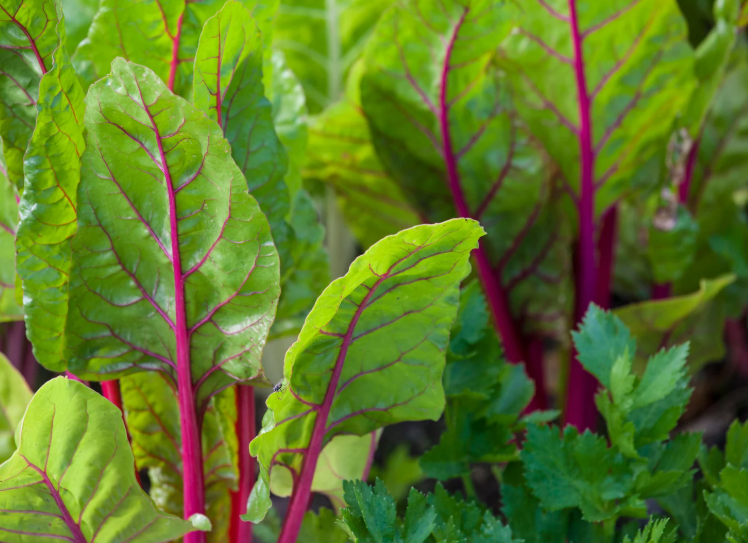
Swiss chard is a leafy green vegetable known for its vibrant stems and lush, glossy leaves. Often called rainbow Swiss chard when grown in a mix of colors, this plant is as attractive in the garden as it is delicious on the plate. The Swiss chard plant is related to beets and spinach, and it thrives in a variety of climates.
Why Grow Swiss Chard from Seeds?
Starting with Swiss chard seeds allows you to choose from a wide range of varieties, including the striking rainbow Swiss chard. Seeds are easy to sow and produce hardy plants that provide a steady harvest throughout the growing season.
Benefits of Growing Swiss Chard:
-
Adaptable to spring, summer, and fall gardens
-
Tolerant of heat and light frost
-
Continuous harvest with the cut-and-come-again method
-
Ornamental value in edible landscapes
How to Grow Swiss Chard from Seeds
1. Sowing Swiss Chard Seeds
-
Sow seeds directly in the garden as soon as the soil can be worked in spring.
-
Plant seeds ½ inch deep and 2 inches apart in rows 12-18 inches apart.
-
Keep soil moist until seeds germinate, which usually takes 7-14 days.
2. Caring for Your Swiss Chard Plant
-
Thin seedlings to 6-12 inches apart for best growth.
-
Water regularly and mulch to retain moisture.
-
Fertilize with compost for lush, healthy leaves.
3. Harvesting Swiss Chard
-
Begin harvesting outer leaves when they reach 6-8 inches tall.
-
The plant will continue to produce new leaves for months.
-
Both the leaves and colorful stems are edible and delicious.
Swiss Chard Nutrition and Taste
Swiss chard nutrition is impressive: it’s high in vitamins A, C, and K, as well as magnesium, potassium, and fiber. Wondering what Swiss chard tastes like? Its flavor is mild and earthy, with a hint of beet-like sweetness and a tender texture, making it a favorite in many dishes.
How to Cook Swiss Chard: Recipes and Ideas
Swiss chard is incredibly versatile in the kitchen. If you’re searching for Swiss chard recipes or wondering how to cook Swiss chard, here are some popular methods:
-
Sauteed Swiss Chard: Quickly sauté leaves and stems with olive oil, garlic, and a pinch of salt for a simple side dish.
-
Swiss Chard Salad: Use young, tender leaves raw in salads for a colorful, nutrient-dense addition.
-
Swiss Chard Recipes: Add chopped Swiss chard to soups, stews, omelets, or pasta dishes for extra flavor and nutrition.
-
Swiss Chard Recipe Tip: Try stuffing the leaves with grains and cheese, or use them as a wrap for a healthy alternative to tortillas.
Rainbow Swiss Chard: A Feast for the Eyes
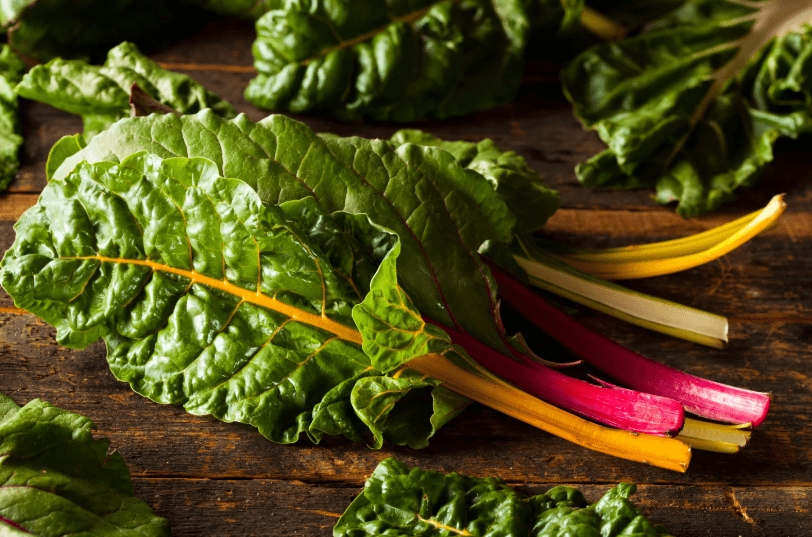
Rainbow Swiss chard is a mix of varieties with stems in shades of red, yellow, orange, and pink. Not only does it brighten up your garden, but it also adds visual appeal to any Swiss chard salad or sautéed Swiss chard dish.
Final Thoughts
Swiss chard seeds are your gateway to a season of fresh, homegrown greens packed with flavor and nutrition. From sowing your first seeds to discovering new Swiss chard recipes, this versatile plant offers endless possibilities for gardeners and cooks alike.
Whether you enjoy it raw in a Swiss chard salad, sautéed as a side, or as the star of your favorite Swiss chard recipe, this leafy green is sure to become a staple in your kitchen and garden.