















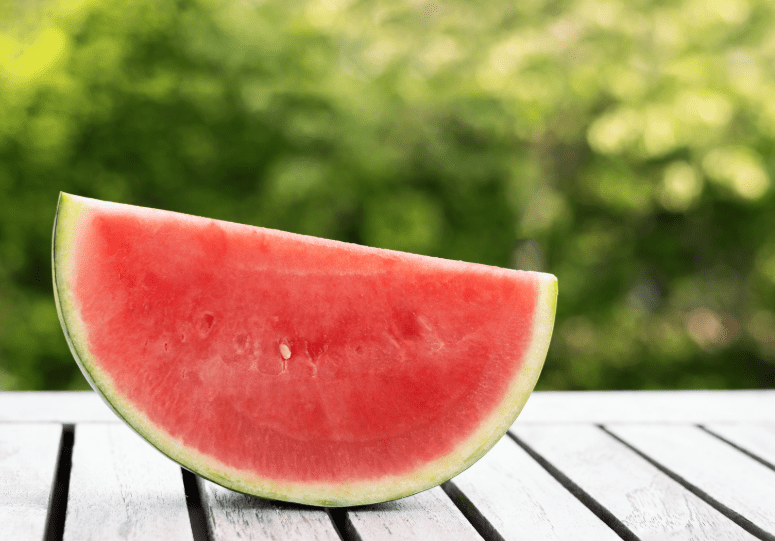
Are you looking for a watermelon variety that combines the classic sweetness you love with the convenience of no seeds? Seedless Black Diamond watermelons might be exactly what your garden needs this season.
These impressive fruits offer the best of both worlds – the rich flavor profile of traditional Black Diamond watermelons without the hassle of spitting out seeds with every bite.
What Are Seedless Black Diamond Watermelons?
Seedless Black Diamond watermelons are a unique variety that combines the distinctive characteristics of the classic Black Diamond watermelon with modern seedless technology. The original Black Diamond watermelon is an heirloom variety known for its dark blue-green to almost black rind, sweet red flesh, and impressive size – often weighing 40-50 pounds. The seedless version maintains these desirable traits while eliminating the hard black seeds that can interrupt your eating experience.
Unlike regular watermelons, seedless varieties may contain small, soft, white seed-like structures that are entirely edible. These aren’t mature seeds but undeveloped seed coats that don’t get in the way of enjoying your watermelon.
The Science Behind Seedless Watermelons
How Are Seedless Watermelons Created?
You might wonder how seedless watermelons reproduce if they don’t have seeds. The process is fascinating and involves some clever plant genetics.
Seedless watermelons are triploid, meaning they have three sets of chromosomes instead of the standard two sets found in regular (diploid) watermelons. This is achieved by using the chemical colchicine to double the chromosomes in a typical watermelon plant, creating a tetraploid plant with four sets of chromosomes.
When a normal diploid watermelon pollinates this tetraploid plant, the resulting seeds produce triploid plants. These triploid plants are essentially the “mules” of the plant kingdom – they can produce fruit but not viable seeds.
Why Choose Seedless Over Traditional?
Seedless Black Diamond watermelons offer several advantages:
-
They’re more convenient to eat without seed-spitting
-
They have a longer shelf life since there are fewer seeds to serve as deterioration points
-
The flesh is often firmer and sweeter than traditional seeded varieties
-
They’re particularly popular with restaurants and food service establishments due to their convenience
Growing Seedless Black Diamond Watermelons
Starting From Seeds
Growing seedless Black Diamond watermelons requires special attention, but the results are worth it. Here’s how to get started:
Seed Preparation and Germination
Seedless watermelon seeds have thicker seed coats than regular ones, which can make germination more challenging.
For best results:
-
Use a light, well-aerated potting mix to ensure good oxygen flow to the seeds
-
Plant seeds 1/4 inch deep in peat pots or seed-starting trays
-
Keep soil temperature between 80-85°F for optimal germination
-
Avoid overwatering, as seedless watermelon seeds need more oxygen during germination than many other seeds
-
Consider using a humidity dome initially, but remove it as soon as seedlings emerge
Transplanting and Growing Conditions
Once your seedlings have developed their first true leaves and all danger of frost has passed, they’re ready for transplanting:
-
Wait until soil temperatures reach at least 70°F before transplanting
-
Space plants 36-48 inches apart to accommodate their sprawling vines
-
Choose a location with full sun (6-8 hours daily) and rich, well-draining soil
-
Apply a thick layer of mulch once vines begin to develop to control weeds and keep melons off the soil
-
Keep soil consistently moist until fruit begins to develop, then water only when soil dries out completely
Caring for Your Seedless Black Diamond Watermelon Plants
Soil and Fertilizer Requirements
Seedless Black Diamond watermelons thrive in:
-
Well-draining, fertile soil with a pH between 6.0 and 6.8
-
Rich, loose soil with plenty of organic matter
-
Regular feeding with a balanced fertilizer, reduce nitrogen once fruits begin to form
Pest and Disease Management
Watch for common watermelon pests like:
-
Aphids
-
Cucumber beetles
-
Squash bugs
Prevent diseases by:
-
Providing good air circulation
-
Avoiding overhead watering
-
Rotating crops yearly
-
Removing and destroying any diseased plant material promptly
Harvesting Your Seedless Black Diamond Watermelons
How to Tell When They’re Ripe
Knowing when to harvest your seedless Black Diamond watermelons can be tricky. Look for these signs of ripeness:
-
The curling tendril closest to the melon’s stem turns brown
-
The underside of the melon where it rests on the ground turns yellow
-
When knocked with your knuckles, the melon produces a dull thump rather than a hollow ring
-
The melon has reached its expected size (typically large for Black Diamond varieties)
Proper Harvesting Techniques
When harvesting:
-
Use sharp pruning shears to cut the stem rather than pulling the fruit
-
Leave a short piece of stem attached to the melon
-
Handle carefully to avoid bruising
-
Harvest in the morning when temperatures are cooler
Storing and Enjoying Your Harvest
Storage Tips
Properly harvested seedless Black Diamond watermelons can be stored:
-
At room temperature (50-60°F) for up to a week before cutting
-
Away from direct sunlight
-
In the refrigerator for a few days once cut
Avoid storing uncut melons at temperatures below 50°F, as this may cause a loss of flavor
Nutritional Benefits
Seedless Black Diamond watermelons aren’t just delicious; they’re good for you, too:
-
They’re about 92% water, making them incredibly hydrating
-
Low in calories (a 4 by 8 inch slice has only 111 calories)
-
Rich in vitamins A and C
-
Good source of potassium
-
Contain antioxidants that contribute to heart health and skin vitality
-
Have anti-inflammatory properties
Why Seedless Black Diamond Watermelons Stand Out
Taste and Texture
Seedless Black Diamond watermelons are known for their exceptional eating quality:
-
Sweeter and firmer-fleshed than traditional Black Diamond watermelons
-
Bright red flesh with great flavor
-
Juicy yet crisp texture with a slight tanginess
-
Often compared to the flavor of watermelon candy but in natural form
Appearance and Size
These impressive fruits make a statement in any garden:
-
Dark blue-green to almost black rind that’s tough and bruise-resistant
-
Typically lack the usual stripes of more familiar watermelon varieties
-
Can grow to enormous sizes, averaging 40 pounds but sometimes reaching up to 50 pounds
-
Oblong shape with bright red interior that creates a striking contrast with the dark exterior
Where to Find Seedless Black Diamond Watermelons
If growing your own seems too challenging, you might be able to find seedless Black Diamond watermelons at:
-
Specialty grocery stores like Albertsons
-
Local farmers’ markets
-
Farm stands in areas with long growing seasons
-
Some organic grocery stores (though they may be more expensive, ranging from $9-$18 depending on whether they’re conventionally or organically grown)
Final Thoughts on Seedless Black Diamond Watermelons
Growing seedless Black Diamond watermelons requires patience and attention to detail, but the reward is a uniquely delicious summer treat that combines convenience with exceptional flavor.
Whether you’re a seasoned gardener looking to try something new or a watermelon enthusiast searching for the perfect variety, seedless Black Diamond watermelons offer a premium experience worth the extra effort.
With their striking appearance, sweet flavor, and seedless convenience, these watermelons deserve their reputation as garden royalty. So, this growing season, why not try seedless Black Diamond watermelons? Your summer picnics and backyard gatherings will never be the same!