












Replacing a roof is one of the most expensive and stressful home improvement projects you will ever undertake. When the time comes to tear off that old, leaking roof, homeowners are immediately faced with the ultimate debate: traditional asphalt shingles or a modern metal roof?
If you are trying to calculate the exact metal roof cost vs shingle roof cost, you have likely realized that the answer isn’t a simple flat number. The price gap varies widely depending on whether you are comparing cheap 3-tab asphalt to exposed-fastener corrugated metal, or premium architectural shingles to a high-end standing-seam metal roof.
In this comprehensive 2026 guide, we will break down the exact costs per square foot, provide calculation tables for different home sizes, analyze the long-term ROI, and help you decide which material is the smartest financial investment for your home’s climate.

When comparing the metal roof cost vs shingle roof cost over time, you must look beyond the initial installation quote. A standard asphalt shingle roof will need to be fully replaced every 15 to 20 years. A high-quality standing-seam metal roof can last 50 to 70 years. While metal costs significantly more upfront, it is almost always the cheaper option when calculated over a 50-year homeownership period.
Total Replacement Cost by Home Square Footage
Contractors price roofing materials and labor by the “square” (a 100-square-foot area). Keep in mind that your roof’s square footage is usually larger than your home’s floor plan due to the pitch (slope) and overhangs. To save you from doing the math, here is a breakdown of what you can expect to pay based on the size of your roof.
Asphalt Shingle Roof Estimates
| Roof Square Footage | Basic 3-Tab Shingles | Premium Architectural Shingles |
|---|---|---|
| 1,000 sq. ft. | $4,500 – $6,000 | $5,500 – $8,000 |
| 1,500 sq. ft. | $6,750 – $9,000 | $8,250 – $12,000 |
| 2,000 sq. ft. | $9,000 – $12,000 | $11,000 – $16,000 |
| 2,500 sq. ft. | $11,250 – $15,000 | $13,750 – $20,000 |
| 3,000 sq. ft. | $13,500 – $18,000 | $16,500 – $24,000 |
Metal Roof Estimates
| Roof Square Footage | Corrugated (Exposed Fastener) | Standing Seam (Hidden Fastener) |
|---|---|---|
| 1,000 sq. ft. | $6,000 – $9,500 | $10,000 – $16,000 |
| 1,500 sq. ft. | $9,000 – $14,250 | $15,000 – $24,000 |
| 2,000 sq. ft. | $12,000 – $19,000 | $20,000 – $32,000 |
| 2,500 sq. ft. | $15,000 – $23,750 | $25,000 – $40,000 |
| 3,000 sq. ft. | $18,000 – $28,500 | $30,000 – $48,000 |
ROI and Resale Value: Which is the Better Investment?
If you plan on selling your home in the next five years, the metal roof cost vs shingle roof cost equation shifts heavily toward shingles. According to national remodeling and real estate data, a new asphalt shingle roof yields an immediate resale return on investment (ROI) of approximately 68%. Buyers expect a functional roof, and standard shingles check that box affordably.
A metal roof yields a slightly lower immediate resale ROI (around 50%). Buyers are not always willing to pay a massive premium just because you installed standing seam metal. However, if this is your “forever home,” metal roofing is the undisputed champion. You will completely bypass the cost of replacing your roof a second or third time over the next few decades.
The Architectural Shingles vs Metal Roof Cost Debate
Most modern homeowners skip the cheap 3-tab shingles and go straight to architectural (or composite) shingles. These are thicker, provide a 3D aesthetic, and handle wind much better.
When comparing the cost of architectural shingles vs a metal roof, the gap narrows slightly. A premium architectural shingle roof will run you about $14,000 for an average home. If you opt for a standard corrugated metal roof, you might pay $16,000. For an extra $2,000, you gain 20 years of lifespan and superior fire resistance.
However, if you upgrade to a standing-seam metal roof (where the fasteners are hidden beneath the metal panels to prevent future leaks), the price jumps dramatically to $25,000+. This is the gold standard of roofing, offering unmatched durability and zero maintenance.
Essential Gear for Roof Maintenance & Safety
Whether you choose metal or asphalt, maintaining the perimeter of your home and protecting the structure itself is mandatory. Here is the gear professional roofers and smart homeowners rely on.
1. Snow Guards for Metal Roofs (Mandatory for Winter Climates)
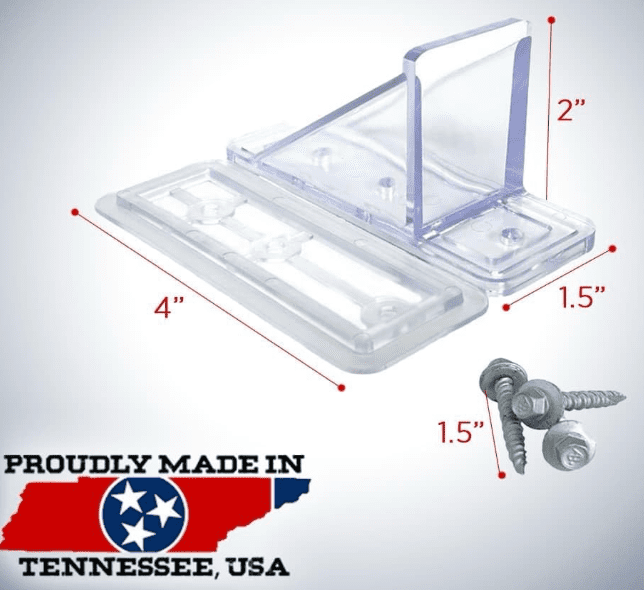
If you live in a region that gets snow and you are installing a metal roof, snow guards are not optional—they are a safety requirement. Metal roofs are slick. When the sun warms the metal, thousands of pounds of accumulated snow can slide off all at once, destroying your gutters, crushing landscaping, or injuring anyone walking below.
✅ Pros:
- Prevents dangerous “roof avalanches.”
- Sliding ice can rip off expensive gutters, but this product protects them.
- Easy to install with adhesive or mechanical fasteners.
❌ Cons:
- Must be strategically placed along the lower roofline.
2. Liquid Rubber Polyurethane Roof Coating (Best for Shingles)
If you are trying to squeeze a few more years out of an aging asphalt shingle roof before paying for a full replacement, a high-quality liquid rubber sealant is your best friend. It seals micro-cracks, stops active leaks around chimneys and vents, and reflects UV rays.

✅ Pros:
- Creates a seamless, 100% waterproof membrane.
- Stretches and shrinks with temperature changes without cracking.
- Can be applied with a standard heavy-duty paint roller.
❌ Cons:
- Requires a completely dry, debris-free surface before application.
3. Asphalt Shingles Repair Adhesive Kit (Best for Quick Fixes)
Before you panic and pay for a full roof replacement because of a few missing or flapping shingles after a storm, try a heavy-duty repair adhesive. This roofing caulk locks loose shingles back down and seals exposed nail heads instantly to prevent leaks.

✅ Pros:
- Instantly seals small leaks and glues down flapping shingles.
- Applies easily with a standard caulk gun.
- Withstands extreme temperatures, heavy rain, and harsh weather.
❌ Cons:
- Only a temporary fix for roofs nearing the end of their lifespan.
4. 36-Inch Magnetic Sweeper with Release (Mandatory After Installation)
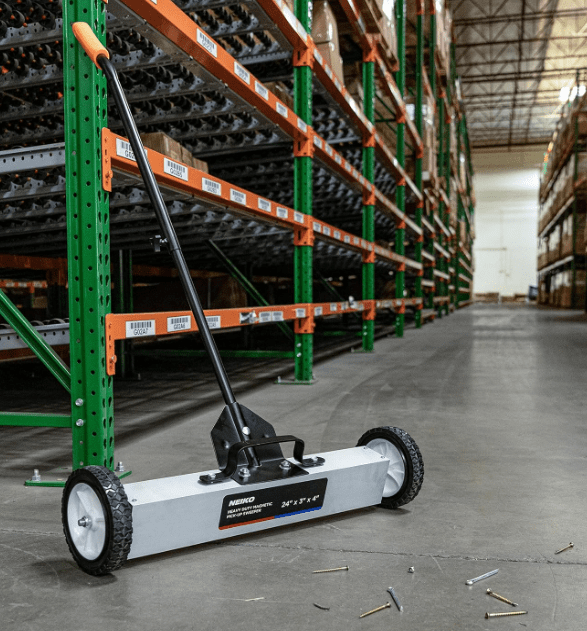
Whether you hire a crew or do it yourself, tearing off an old shingle roof results in thousands of rusted roofing nails falling into your grass and driveway. A heavy-duty magnetic sweeper is an absolute necessity to protect your car tires and your family’s feet.
✅ Pros:
- Pulls buried nails out of thick grass effortlessly.
- Quick-release handle drops collected debris straight into the trash.
- Saves hundreds of dollars in potential flat tire repairs.
❌ Cons:
- Will not pick up aluminum or non-ferrous debris.
Before making your final choice, call your homeowner’s insurance provider. Because metal roofs are highly resistant to hail, extreme winds, and fire, many insurance companies offer significant annual premium discounts (up to 25% in some states) for homes with a standing seam metal roof. This can heavily offset the higher metal roof cost vs shingle roof cost over time.
Frequently Asked Questions
What is the difference in metal roof cost vs shingle roof cost?
On average, a basic corrugated metal roof costs 30% to 50% more than a standard asphalt shingle roof. However, if you upgrade to a premium standing seam metal roof, you can expect to pay double or even triple the cost of standard shingles.
Can you put a metal roof over shingles?
In many jurisdictions, yes. Building codes often allow a metal roof to be installed directly over one layer of existing asphalt shingles. This saves thousands of dollars in tear-off labor and disposal fees. However, the existing roof deck must be structurally sound and free of rot.
Do metal roofs make houses hotter in the summer?
No, this is a common myth. In fact, metal roofs are highly reflective and have high emissivity, meaning they reflect the sun’s UV rays and release absorbed heat much faster than dark asphalt shingles, often lowering summer cooling costs by up to 20%.
Are metal roofs loud in the rain?
Not when installed correctly over a solid roof deck (plywood) and modern insulation. The sound of rain on a modern residential metal roof is no louder than rain hitting a traditional asphalt shingle roof.