










I still remember the panicked phone call from my neighbor at 7 a.m. on a Saturday. “There’s black stuff all over my antique oak dining table—I think it’s mold!” Her voice was shaking.
Twenty years ago, I would have panicked too. But after spending two decades as a professional woodworker and mold remediation specialist, I have learned exactly how to remove mold from wood without damaging the piece.

The first and most important truth I ever learned came from my Uncle Joe, an old-school carpenter who raised me in the trade: Never, ever use bleach on porous wood. Bleach kills only the surface mold, leaving the roots alive. Worse, the water in the bleach actually feeds the mold and drives it deeper into the wood fibers.
If you just discovered mold on your expensive hardwood floors, cherished furniture, or structural beams, take a deep breath. You can save most pieces if you act quickly. In this comprehensive guide, I share the exact methods I use on real job sites to kill mold and restore rotted wood back to its original strength.
White Mold vs. Black Mold on Wood
Not all mold is the same, and knowing the difference can save you thousands in unnecessary repairs.
- White mold (Mildew): Usually surface-level and appears as fuzzy white or gray patches. It thrives in damp conditions but is easier to treat and rarely causes immediate structural damage.
- Black mold (Stachybotrys chartarum): This is the serious one. It grows in areas with prolonged moisture. It penetrates deep into the wood, causes wood rot, and creates health issues. To get rid of black mold on wood, you must fix the moisture source first.
The Best Way to Get Rid of Mold on Wood
The safest and most effective method is a two-stage process: kill the mold at the roots, then remove the remaining stains.
Always wear an N95 respirator, nitrile gloves, and eye protection. Mold spores are tiny and can cause severe respiratory problems. I never enter a moldy space without proper protection.
Step 1: The White Vinegar Method (For Surface Mold)
Distilled white vinegar is highly acidic and kills mold at the root level, depriving it of moisture.
- Remove loose mold with a dry brush or a HEPA vacuum.
- Mix a 1:1 solution of white vinegar and water in a spray bottle.
- Saturate the area and let it sit for at least one hour.
- Wipe clean with a microfiber cloth. Do not rinse!
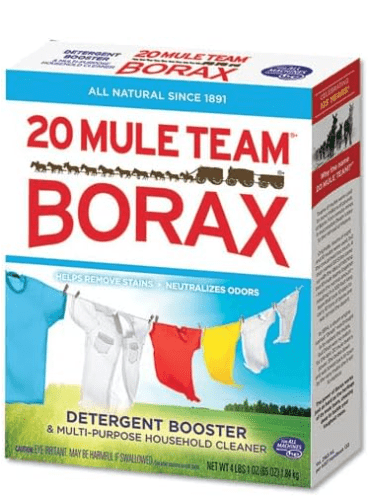
Step 2: The Borax Solution (For Stubborn Mold)
When vinegar isn’t enough, Borax is a natural mineral that creates an alkaline environment where mold cannot survive.
- Mix 1 cup of Borax with 1 gallon of hot water.
- Scrub the area with a stiff brush dipped in the solution.
- Let it dry completely without rinsing so the protective residue remains.
How to Get Rid of Mold Stains on Wood
Killing the mold is only half the battle. The dark stains left behind can make the wood look permanently ruined. Here is how to fix that:
- Let the wood dry completely (use fans and dehumidifiers).
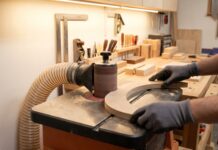
- Sand the stained area with 120-grit sandpaper, finishing with 220-grit.
- For deep stains that sanding cannot remove, apply oxalic acid (wood bleach) following the manufacturer’s instructions. This is remarkably effective on oak and pine.
Phase 2: Wood Rot Restoration (When Mold Eats the Wood)
Wood rot is the nightmare that follows mold if you don’t catch it early. If you push a sharp screwdriver into the wood and it sinks in easily like wet cardboard, the mold has caused structural wood rot. The good news is that most wood rot is salvageable if the core is still sound.
1. Identify the Type of Rot
- Brown Rot: The wood turns dark brown, cracks into small cubes, and becomes brittle (often called “dry rot”). It loves damp, poorly ventilated wood.
- White Rot: The wood turns pale, stringy, and fibrous. It feels soft and spongy.
- Soft Rot: The surface looks chewed or feels mushy. Destructive in high-moisture zones like crawl spaces and window sills.
2. The Golden Rule: Kill the Moisture Source
Rot is a symptom, not the disease. I have seen people spend 0 on epoxy and fillers only to watch the rot come back six months later because a roof leak was never fixed. Fix the water issue first!
3. Remove All Rotted Wood
Cut or chisel out every bit of soft, spongy wood until you reach solid, healthy wood. I always cut 2–3 inches past the visible rot because the fungi have already traveled farther than you can see.
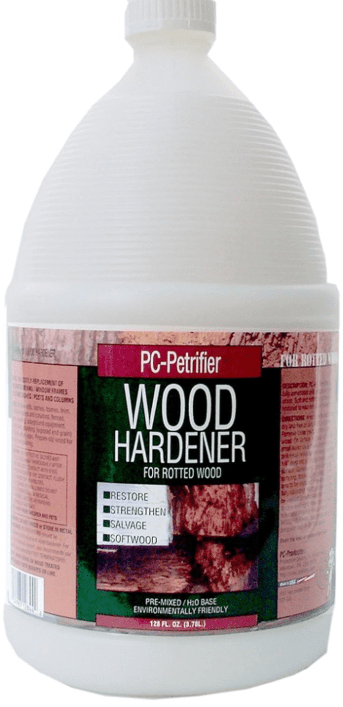
4. Apply an Epoxy Consolidant
Once the bad wood is gone, I brush on a penetrating epoxy consolidant. This liquid soaks into the weakened wood fibers and hardens them from the inside out. It is the closest thing we have to turning soft wood back into solid wood.
5. Fill, Sand & Rebuild
For larger voids, I use a two-part wood epoxy filler (like Abatron WoodEpox) for structural areas, or standard Bondo Wood Filler for cosmetic spots. Sand everything smooth, prime with a stain-blocking primer, and refinish to match.
Cost, Time & When to Give Up
DIY is very cost-effective for small jobs, but you must be honest with yourself about the limits of restoration.
- Small furniture piece: $40–80 in materials, 2–3 hours.
- Hardwood floor section: $150–350 materials, 4–6 hours.
- When to replace: If the wood is soft and crumbles when you poke it, if more than 50% of the cross-section is rotted, or if it is a critical load-bearing stud, replacement is the only safe option.
Specific Solutions for Different Areas
| Location | Best Action Plan |
|---|---|
| Wood Furniture | Use the 50/50 vinegar method. Wipe gently. If stains remain, carefully sand off the finish, treat with borax, and refinish only that small section. |
| Hardwood Floors | Fix the subfloor leak first! Pull up affected boards if possible. If not, use borax, let it dry, then sand and refinish the entire room. |
| Structural Beams | Use borax liberally. If rot is present, use an epoxy consolidant. If more than 30% of the beam is rotted, you must “sister” it with new lumber for safety. |
Frequently Asked Questions
What to use to get rid of mold on wood naturally?
Distilled white vinegar is the absolute best natural solution. It kills mold at the roots without leaving harmful residues. Borax is the second choice for more stubborn cases. Both are safe, inexpensive, and highly effective when used correctly.
Can you save wood that has mold?
Yes, in most cases. As long as the wood has not turned soft and crumbly (advanced wood rot), you can kill the mold and restore the piece using vinegar, borax, and sanding.
Does sunlight kill mold on wood?
Yes, UV rays from direct sunlight are excellent at killing surface mold. Whenever possible, move affected furniture outside on a sunny, dry day for several hours. The combination of sunlight and fresh air works wonders.