
















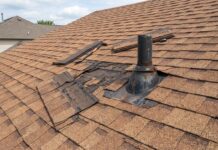

Your roof protects everything inside your home: your family, your structure, your insulation, your electrical systems, your furniture, and your personal belongings. But no roofing system lasts forever. After years of sun, wind, rain, hail, humidity, snow, and temperature swings, roofing materials naturally wear down and eventually need to be replaced.
A full roof replacement is a major home improvement and one of the most important investments in your property. A professionally installed new roof can improve curb appeal, protect your home from weather damage, enhance energy efficiency, and help preserve long-term property value.

Need a New Roof Installed?
Speak with professional roof installation contractors about replacing your aging roof with a new roofing system.
Call for Roof Replacement Help: (844) 578-1874
New roof installation and replacement inquiries only.
When Should You Replace Your Roof?
Many homeowners wait until a roof problem becomes obvious before taking action. The smarter approach is to watch for signs that the roofing system is nearing the end of its useful life. Replacing the roof before widespread failure can help prevent interior damage and protect the structure underneath.
Here are the most common signs that your home may need a professional roof replacement.
1. Your Roof Is Near the End of Its Lifespan
Age is one of the most important factors in deciding whether to replace a roof. Many asphalt shingle roofs last around 20 to 25 years, depending on installation quality, ventilation, weather exposure, roof pitch, and maintenance history.
If your roof is approaching that age range, it may be time to start planning for a new installation. Even if the roof still looks acceptable from the ground, the shingles, underlayment, flashing, and ventilation system may be aging underneath the surface.
2. Shingles Are Curling, Buckling, Cracking, or Missing Across the Roof
A few isolated damaged shingles may not always mean the entire roof must be replaced. But widespread curling, buckling, cracking, or missing shingles usually suggests that the roofing material is deteriorating.
Curling shingles can indicate age, heat damage, poor ventilation, or material breakdown. Cracked shingles may no longer shed water properly. Missing shingles expose the underlayment and roof deck to weather. When these problems appear across multiple roof planes, replacement is often more practical than continuing to chase individual trouble spots.
You can often spot these issues from the ground with binoculars. Avoid climbing onto a damaged roof, especially if the surface looks brittle, uneven, or sagging.
3. You See Granules Collecting in the Gutters
Asphalt shingles are covered with protective granules that help shield the roof from UV rays and weather exposure. Over time, shingles naturally lose some granules. However, heavy granule buildup in gutters, downspouts, or around the foundation can be a warning sign that the shingles are wearing out.
When shingles lose too many granules, they become more vulnerable to sun damage, cracking, and faster deterioration. If your roof is older and you are seeing significant granule loss, it may be time to discuss replacement options with a professional roofing installer.
4. The Roof Deck Appears Sagging or Uneven
A sagging roof should be taken seriously. It may indicate moisture damage, weakened decking, structural movement, poor ventilation, or long-term roof system failure.
A roof should have clean, straight lines. If parts of the roof look wavy, dipped, soft, or uneven, a professional inspection is important. In many cases, a sagging roof requires more than surface work. The contractor may need to remove old roofing materials, inspect the decking, replace damaged wood, and install a new roof system correctly.
5. Your Attic Shows Signs of Roof System Failure
The attic often reveals roof problems before they become obvious from outside. During daylight hours, safely inspect your attic from inside the home if accessible.
Look for:
- Water stains on rafters or decking
- Damp insulation
- Dark streaks on wood
- Musty odors
- Visible daylight through roof boards
- Rust around nails or fasteners
- Signs of poor ventilation or condensation
If attic moisture problems are widespread or connected to an aging roof, a new roof installation may be the best long-term solution.
6. Your Roof Has Had Repeated Storm Exposure
Homes in areas with frequent storms, high winds, hail, heavy snow, intense sun, or coastal humidity often experience faster roof aging. Even if your roof has not failed completely, repeated weather exposure can weaken shingles, flashing, seal strips, underlayment, and roof edges.
If your roof has been through years of severe weather and is showing visible wear, it may be wise to plan a replacement before the next major storm season.
Benefits of a New Roof Installation
A complete roof replacement is not just about removing old shingles. A properly installed new roof system can improve several important parts of your home.
Better Weather Protection
A new roof gives your home a fresh protective barrier against rain, wind, snow, hail, and sun exposure. Professional installers replace worn roofing materials and install modern underlayment, flashing, ventilation components, drip edge, and roof covering according to local building standards.
Improved Curb Appeal
A worn, stained, curling, or patchy roof can make an otherwise attractive home look neglected. A new roof can dramatically improve curb appeal and create a cleaner, more updated exterior appearance.
Potential Property Value Support
Buyers often pay close attention to roof age. A newer roof can be a major selling point because it reduces uncertainty about future replacement costs.
Better Roofing System Performance
Modern roofing systems include more than shingles. Proper ventilation, underlayment, flashing, starter shingles, ridge caps, and installation details all affect performance. A full replacement gives contractors the opportunity to correct old installation problems and build a more complete system.
Thinking About Replacing Your Roof?
Talk with professional roof installers about your new roof installation options, materials, and project timeline.
Call Now: (844) 578-1874
Roofing Materials for a New Roof Installation
The right roofing material depends on your budget, climate, home style, neighborhood requirements, and long-term goals. A professional roofing contractor can help compare the best options for your home.
Asphalt Shingles
Asphalt shingles are the most common residential roofing material in the United States. They are available in many colors, profiles, and price ranges. Architectural shingles are especially popular because they offer a dimensional look and stronger performance than basic three-tab shingles.
Metal Roofing
Metal roofing is known for durability, long service life, and strong weather resistance. It can be a smart choice in areas with heavy rain, snow, high heat, or strong wind exposure. Metal roofs also create a distinct modern or farmhouse-style appearance depending on the panel profile and finish.
Tile Roofing
Tile roofing offers a premium look and long lifespan, especially in warm climates. Clay and concrete tiles are heavy, so the home must be structurally suitable for the material.
Slate Roofing
Slate is a high-end roofing material known for exceptional longevity and natural beauty. It is expensive and heavy, but it can be an excellent choice for certain architectural homes.
What Happens During a Professional Roof Replacement?
A full roof replacement usually follows a detailed process. The exact steps vary by home and roofing material, but most professional installations include:
- Roof evaluation: The contractor checks roof age, condition, slope, ventilation, flashing, and visible damage.
- Material selection: You choose roofing material, color, style, underlayment, and accessory options.
- Old roof removal: Existing roofing materials are removed so the decking can be inspected.
- Deck inspection: Damaged or rotten decking is identified and replaced as needed.
- Underlayment installation: A protective layer is installed over the roof deck.
- Flashing and drip edge: Proper metal components are installed at roof edges, valleys, walls, chimneys, and penetrations.
- New roofing installation: Shingles, metal panels, tile, or other materials are installed according to manufacturer and code requirements.
- Ventilation setup: Ridge vents, intake vents, or other ventilation components are installed or updated as needed.
- Cleanup and final inspection: Debris is removed, nails are collected, and the finished roof is checked.
Why Professional Roof Installation Matters
Roof replacement is not a weekend DIY project. It involves fall risk, structural details, weatherproofing, ventilation, flashing, code compliance, and manufacturer installation requirements.
Professional roof installers bring:
- Safety equipment: Roofing work involves height, slope, and fall hazards.
- Installation experience: Proper underlayment, flashing, valleys, vents, and fastener placement are critical.
- Material knowledge: Contractors can recommend materials suited to your climate and home.
- Building code awareness: Local requirements may affect decking, ventilation, underlayment, and fastening patterns.
- Project efficiency: A professional crew can complete a roof replacement much faster than most homeowners.
- Workmanship accountability: Reputable contractors provide documentation, warranties, and project records.
Questions to Ask Before Hiring a Roof Replacement Contractor
Before choosing a roofing contractor, ask clear questions so you understand what is included in the project.
- Are you licensed and insured for roofing work in my area?
- Will this be a full roof replacement or partial work?
- What roofing materials do you recommend for my home and climate?
- Will the old roof be completely removed?
- How will damaged decking be handled?
- What underlayment and flashing will be installed?
- Will roof ventilation be evaluated?
- What warranties are included?
- How long will the installation take?
- How will cleanup and nail removal be handled?
Do Not Wait Until the Roof Fails Completely
Waiting too long to replace an aging roof can lead to more expensive problems. Moisture can damage roof decking, insulation, drywall, ceilings, framing, and attic spaces. A proactive replacement can help protect your home before old materials fail during heavy weather.
If your roof is old, visibly worn, sagging, or showing widespread shingle deterioration, it may be time to speak with professional roof installers about a complete replacement.
Schedule a New Roof Installation Consultation
Connect with roofing professionals who can help evaluate your replacement project and discuss new roof installation options.
Frequently Asked Questions About Roof Replacement
How do I know if I need a roof replacement?
You may need a roof replacement if your roof is near the end of its lifespan, has widespread curling or missing shingles, shows heavy granule loss, has sagging areas, or shows signs of water intrusion in the attic.
Is a new roof installation better than repeated repairs?
If the roof is old or has widespread material failure, a full replacement is often more reliable than repeated small fixes. Replacement allows contractors to remove worn materials, inspect the decking, and install a complete new roofing system.
How long does a roof replacement take?
Many standard residential roof replacements can be completed in one to several days, depending on roof size, material, weather, pitch, decking condition, and crew size.
What type of roof is best for my home?
The best roofing material depends on your climate, budget, home style, roof structure, and long-term goals. Asphalt shingles, metal roofing, tile, and slate all have different advantages.
Should I climb on my roof to inspect it?
No. Damaged or aging roofs can be unsafe. You can inspect visible signs from the ground or attic, but roof surface evaluation should be handled by trained professionals.
Final Thoughts
A roof replacement is one of the most important upgrades a homeowner can make. If your roof is aging, visibly worn, sagging, or showing widespread shingle deterioration, delaying the project can put your home at risk.
Professional roof installers can evaluate your home, explain material options, and install a new roofing system designed to protect your property for years to come.
Disclaimer: Gardenfrontier.com is a free service that helps homeowners connect with local service providers. All contractors and providers are independent. Gardenfrontier.com does not warrant or guarantee any work performed. Homeowners are responsible for verifying that any contractor hired has the necessary license, insurance, permits, and qualifications required for the work being performed. All persons depicted in photos or videos are actors or models and not contractors listed on Gardenfrontier.com.