











Hello, fellow green thumbs! If you’ve ever dreamed of pulling up a plump, homegrown onion from your garden, you’re in the right place. Onions are a staple in kitchens worldwide, and growing them is easier than you might think. In just five minutes, I’ll share the secrets to cultivating onions like a pro. Let’s dive in!
Choosing the Right Onion Variety
Selecting the perfect onion variety is the first step toward a bountiful harvest. Onions are sensitive to daylight, so understanding daylight sensitivity and your garden zone is crucial.
- Short-Day Onions: Require 10-12 hours of daylight. Ideal for southern regions. Varieties include Vidalia onions, known for their sweet flavor.
- Long-Day Onions: Need 14-16 hours of daylight. Best for northern areas. Consider Copra onions or yellow onions for their excellent storage capabilities.
- Day-Neutral Onions: Grow well in most regions regardless of day length.
Enrich your soil with organic matter to improve soil quality, ensuring your onions have the nutrients they need. Don’t forget about leeks—a close relative of onions that thrives under similar conditions.
Common Onion Pests and Diseases
Even the healthiest onions can fall victim to pests and diseases. Being proactive with prevention tactics is key.
- Onion Thrips and Maggots: These pests can wreak havoc on your crop. Use an organic pest control spray and practice crop rotation to keep them at bay.
- Onion Bulb Rot: Caused by planting in soggy soil. Ensure you have good draining soil and consider using raised beds.
- Bolting Onions: Occurs when onions flower prematurely, often due to hot and dry summer weather after a period of cool and moist soil. Keep soil conditions consistent to prevent this.
Mastering Companion Planting for Onions
Companion planting is a natural way to boost your garden’s health.
- Good Companions: Plant onions alongside cabbage family members, tomatoes, peppers, strawberries, and garlic. They help deter pests like cabbage maggots.
- Plants to Avoid: Keep onions away from beans and peas, as they can stunt each other’s growth.
- Pest Control: Onions can repel pests harmful to other plants, such as onion maggots.
Growing Onions from Seeds or Sets
Decide whether to start from onion seeds or onion sets.
- Onion Seeds: Offer a wider variety. Start them indoors in seed starting soil under grow lights. Use compost tea or fish emulsion as an organic fertilizer. Remember to harden off seedlings before transplanting.
- Onion Sets: Easier for beginners. Plant directly into the garden. Ensure proper watering techniques and mulching to retain moisture and control weeds.
Incorporate staggered planting to enjoy a continuous harvest throughout the season.
Effective Onion Planting Techniques
When planting onions, timing and proper techniques are critical for healthy growth and abundant harvests. Begin by transplanting onion seedlings after hardening them off, which helps them adjust to outdoor conditions. Whether using bare-root plants or seedlings, ensure the soil is nutrient-rich, ideally enhanced with compost tea or fish emulsion to give your onions the best start.
Timing is essential, so transplant short-day onions in warmer climates for the best results, while long-day varieties fare better in cooler regions. Properly prepared seed-starting soil and using grow lights during the early indoor phase set a strong plant foundation.
Once in the garden, mulching helps retain moisture and suppress weeds, while a hoop house can offer protection in colder areas. These techniques provide a comprehensive guide for successfully transplanting and growing onions in various conditions.
Proper planting sets the stage for a successful harvest.
- Transplanting Onions: Plant bare-root plants or seedlings in nutrient-rich soil after the danger of frost has passed.
- Mulching: Apply mulch to maintain soil temperature and moisture.
- Fertilizing: Regularly feed onions with composted goat manure or fish emulsion.
- Hardening Off: Gradually expose indoor-grown seedlings to outdoor conditions.
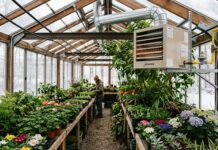
Consider using a hoop house for early planting or in cooler climates.
Seed Starting Considerations
When starting onion seeds, several key factors come into play to ensure a successful growing season. First, consider the type of seeds you are planting—long-day varieties are ideal for northern growing zones, while short-day types thrive in warmer climates.
It’s also crucial to check seed expiration dates, as older seeds may have a lower germination rate, which could impact your crop yield. Starting onions from seeds rather than sets offers the benefit of more storage-friendly onions and allows for seed-saving in future seasons.
For best results, begin indoors using a growth light setup and time your planting to align with your area’s last frost date. Additionally, hardening off the seedlings before transplanting them outdoors ensures they can handle the cooler temperatures that onions, being cold-hardy vegetables, can withstand.
This approach provides a foundation for successful onion growing, even for biennial crops like flowering onions.
Starting from seed requires attention to detail.
- Germination Rate: Use fresh seeds for the best germination rate. Onions are biennial crops, so seeds may lose viability after a year.
- Indoor Growth Light Setup: Essential for starting seeds indoors, especially in regions with shorter daylight hours.
- Last Frost Date: Start seeds 8-10 weeks before this date.
- Hardening Off: Crucial for transitioning seedlings outdoors.
- Seed-Saving: Allow some onions to become flowering onions for seed collection, especially in warmer climates.
Harvesting and Storing Onions
The reward for your hard work!
- Onion Harvest: When onion tops fall over and turn brown, it’s time to harvest.
- Curing Onions: Lay onions in a ventilated environment for drying. This process prevents moldy onions and extends shelf life.
- Storing Onions: Store in a cool dry location using mesh bags, braided onions, or ventilated plastic crates. Proper storage is vital for storage onions.
Final Thoughts
Growing onions is a fulfilling endeavor that enriches your garden and your table. You’ll enjoy a bountiful harvest of delicious onions by choosing the right variety, preventing pests, and mastering planting techniques. Remember, the key is patience and attentive care. Happy gardening!
Embrace the journey of growing your own onions, and you’ll soon relish the unmatched flavor of homegrown produce. From my garden to yours, may your onions be ever abundant!