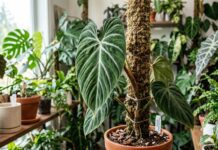















Philodendron Florida Ghost is a rare, striking tropical houseplant known for its unique, ghostly white new leaves that gradually transition to vibrant green. A favourite among plant enthusiasts, this beauty requires specific care to thrive.
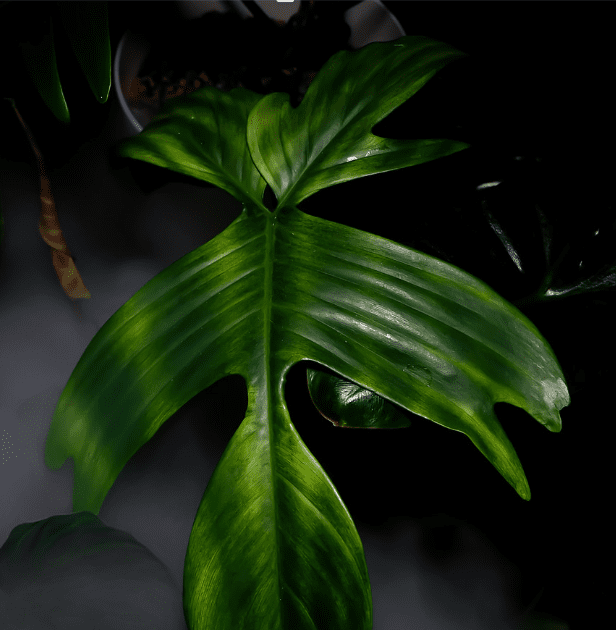
Essential Care Requirements for Philodendron Florida Ghost
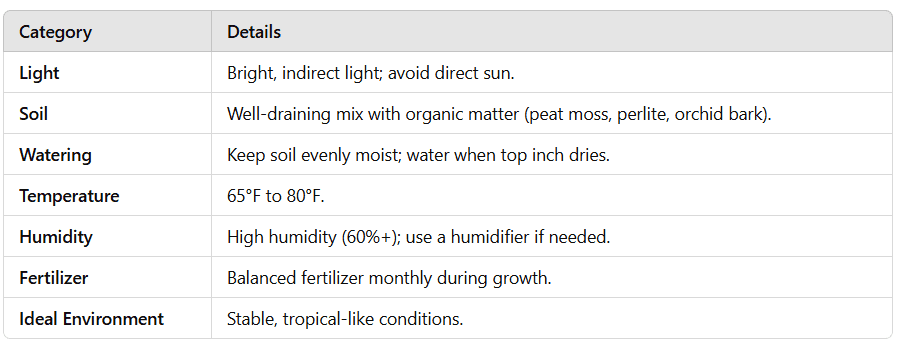
Proper care is the key to keeping your Philodendron Florida Ghost healthy and vibrant. Follow these guidelines:
- Light: Prefers bright, indirect light. Too much direct sunlight can scorch its delicate leaves, while too little light results in pale foliage.
- Soil: Use a loose, well-draining potting mix with rich organic matter. A mix of peat moss, perlite, and orchid bark works well.
- Watering: Keep the soil evenly moist but not soggy. Water when the top inch of soil feels dry.
- Temperature and Humidity: Ideal temperatures range from 65°F to 80°F. High humidity (60% or more) is essential; consider using a humidifier or placing the plant in an IKEA greenhouse cabinet.
- Fertilizer: Feed monthly during the growing season with a balanced, water-soluble fertilizer.
Care Requirements for Philodendron Florida Ghost
Common Problems and How to Fix Them
Like any houseplant, the Philodendron Florida Ghost may encounter various issues that affect its health and appearance. Yellowing leaves are often caused by overwatering or inadequate drainage, leading to waterlogged roots.
Conversely, browning leaves may result from low humidity or exposure to direct sunlight. Drooping foliage can indicate light deficiency, underwatering, or even root rot.
Pale foliage or loss of vibrancy often points to insufficient nutrients or improper lighting.
Diseases like bacterial leaf spot or fire blight can also occur in overly damp environments. To prevent these issues, ensure proper care by maintaining a stable environment, using well-draining soil, avoiding overwatering, and providing bright indirect light.
This is particularly crucial for preserving the distinct beauty of its variegated versions like Florida Ghost Mint. Regular monitoring and prompt action are key to keeping your plant healthy.
Pests and Diseases to Watch For
Philodendron Florida Ghost can attract common houseplant pests and diseases.
- Pests: Watch for aphids, mealybugs, spider mites, and scale. Treat with insecticidal soap or neem oil.
- Diseases: Overwatering may lead to bacterial leaf spot or root rot. Always use a well-draining soil mix and water moderately.
Potting and Repotting Best Practices
Proper potting and repotting are essential to ensure your Philodendron Florida Ghost thrives. Begin by selecting a pot with adequate drainage holes to prevent waterlogging. The pot size should be slightly larger than the current root ball, as this plant prefers not to be overly pot-bound.
Use a loose, rich potting mix containing peat moss, perlite, and orchid bark for optimal aeration and nutrient retention. Position the pot in a spot with filtered light or indirect light to prevent leaf scorch. When repotting, gently remove the plant, shake off old soil, and replace it with fresh soil to encourage healthy growth.
Repot every 1-2 years or when the plant outgrows its container, ensuring a stable environment for this tropical beauty.
Propagation Methods for Philodendron Florida Ghost
Propagating the Philodendron Florida Ghost is an excellent way to expand your collection or share this rare specimen with others. The most effective method is using stem cuttings during the plant’s active growing phase, typically in spring.
Select a healthy cutting with at least one node and place it in your chosen growing medium directly into moist soil or water for water propagation. If opting for water propagation, ensure the water is clean and change it weekly to prevent bacterial growth.
Once roots are established, transplant the cutting into a well-draining potting mix. Spring propagation ensures faster rooting and healthier new plants due to the season’s optimal growth conditions. Patience and proper care during this process will yield thriving, beautiful new plants.
FAQs
1. What makes Philodendron Florida Ghost unique?
Its ghostly white new leaves that transition to green set it apart from other philodendrons.
2. How much light does it need?
Bright, indirect light is best. Avoid harsh sunlight.
3. Why are my Philodendron Florida Ghost’s leaves turning yellow?
This could be due to overwatering, poor drainage, or low light conditions.
4. Can it survive in low humidity?
While it can adapt to average household humidity, it thrives in high humidity environments.
5. How often should I repot my Philodendron Florida Ghost?
Repot every 1-2 years or when the roots become pot-bound.
This comprehensive guide guarantees a thriving, vibrant Philodendron Florida Ghost that will make every plant lover envious.