
















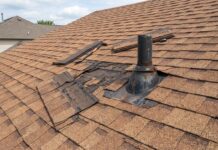

A new roof installation is one of the most important exterior home improvement projects a homeowner can schedule. Your roof is not just a layer of shingles. It is a complete weather protection system that includes decking, underlayment, flashing, ventilation, drip edge, starter strips, roof covering, ridge caps, and detailed installation.
If your existing roof is old, worn, sagging, losing granules, or showing widespread shingle deterioration, understanding the installation process can help you compare contractor estimates with confidence.
Find out in advance what happens during a professional new roof installation, what homeowners should expect before installation day, which components are usually included, and how this process fits into a full roof replacement project.

Quick Answer: What Is Included in a New Roof Installation?
A new roof installation usually includes removing old roofing materials, inspecting the roof deck, replacing damaged decking if needed, installing underlayment, drip edge, flashing, starter strips, new roofing material, ridge caps, ventilation components, pipe boots, cleanup, and final inspection. The exact scope depends on the roof condition, material type, local code, and contractor proposal.
Thinking About Replacing Your Roof?
Before choosing materials or comparing estimates, review the warning signs and full replacement checklist in our professional roof replacement guide.
1. Roof Evaluation and Project Planning
Before installation begins, a roofing contractor evaluates the existing roof system. This may include measuring the roof, checking pitch, counting roof planes, reviewing valleys and penetrations, examining attic ventilation, and looking for visible signs of deterioration.
The contractor may also ask about previous roof work, known moisture issues, attic stains, storm exposure, and the age of the existing roof.
During this stage, the contractor should determine:
- Roof size and number of roofing squares
- Roof pitch and access difficulty
- Number of existing roof layers
- Material type currently installed
- Whether a full tear-off is needed
- Potential decking concerns
- Flashing and ventilation needs
- Permit requirements
- Material options and color selection
This evaluation helps create a detailed proposal for the new roof installation.
2. Choosing Roofing Materials
The most common residential roof material is asphalt shingles, especially architectural shingles. However, some homeowners choose metal roofing, tile, slate, or specialty products depending on climate, budget, home style, and long-term goals.
| Roofing Material | Best For | Notes |
|---|---|---|
| Asphalt Shingles | Most standard homes | Affordable, widely available, many color options |
| Architectural Shingles | Improved curb appeal | Thicker and more dimensional than basic three-tab shingles |
| Metal Roofing | Durability and long-term performance | Higher upfront cost, strong weather resistance |
| Tile Roofing | Warm climates and distinctive architecture | Heavy material; structure must be suitable |
| Slate Roofing | Premium long-life roofs | Expensive and heavy, but highly durable |
The material choice affects installation cost, weight, appearance, lifespan, and maintenance expectations.
3. Permits, Scheduling, and Pre-Installation Prep
Some cities and counties require permits for a new roof installation. A professional contractor should explain whether permits are required and whether they are included in the proposal.
Before installation day, homeowners should prepare the property:
- Move vehicles away from the driveway
- Clear patio furniture near the work area
- Protect fragile items in the attic
- Remove wall decorations that may shake loose
- Keep pets and children away from the work zone
- Make space for a dumpster or material delivery
- Confirm access to exterior power if needed
Roof installation is noisy. Expect hammering, compressor noise, ladders, material movement, and debris removal during the project.
4. Old Roof Tear-Off
Most professional new roof installations begin by removing the existing roof covering. This process is called tear-off. Removing the old roof allows the crew to inspect the decking underneath and avoid trapping old damage beneath new materials.
Tear-off may include removing:
- Old shingles or roofing panels
- Old underlayment
- Old nails and fasteners
- Damaged ridge caps
- Old pipe boots
- Some flashing components, depending on condition
If a roof has multiple existing layers, tear-off can take longer and create more disposal cost.
5. Roof Deck Inspection
After tear-off, the contractor inspects the roof deck. This is the wood surface that supports the roof system. A solid deck is essential for a proper new installation.
Decking may need replacement if it is:
- Soft
- Rotten
- Delaminated
- Water-damaged
- Mold-stained
- Sagging
- Structurally weak
- Improperly fastened
Homeowners should ask in advance how decking replacement is handled and priced. This is one of the most common change-order items during roof replacement.
Important Installation Note
New roofing materials should not be installed over weak or rotten decking. The visible roof covering is only as reliable as the structure beneath it.
6. Underlayment Installation
Underlayment is installed over the roof deck before the final roof covering. It acts as a secondary protective layer under shingles, metal panels, or other roofing materials.
Common underlayment types include:
- Felt underlayment
- Synthetic underlayment
- Self-adhering ice and water shield
Ice and water shield is often used in valleys, along eaves, around penetrations, and in areas vulnerable to water backup. Local code and climate can affect where it is required.
7. Drip Edge, Flashing, and Roof Edges
Drip edge is metal installed along roof edges to help direct water away from fascia and roof decking. Flashing protects transitions and penetrations where water could enter.
Important flashing areas include:
- Chimneys
- Walls
- Skylights
- Valleys
- Pipe penetrations
- Dormers
- Roof-to-wall transitions
Poor flashing is one of the most common causes of roof system problems. During a new roof installation, flashing should be evaluated carefully and replaced when necessary.
8. Starter Strips and New Roofing Material
Starter strips are installed at roof edges before the main shingles. They help create a secure edge and improve wind resistance at vulnerable areas.
After starter installation, the roofing material is installed according to the manufacturer’s specifications. For asphalt shingles, this includes proper nail placement, alignment, exposure, overlap, and ridge details.
For metal roofing, installation details may include panel alignment, fastener type, clips, seams, closures, trim, and expansion considerations.
The key point is simple: the visible material must be installed as part of a complete system, not as a shortcut layer over old problems.
9. Ventilation Components
Roof ventilation helps manage heat and moisture in the attic. Poor ventilation can shorten roof life, contribute to moisture problems, and increase attic temperature.
A new roof installation may include:
- Ridge vents
- Soffit vents
- Intake vents
- Box vents
- Gable vents
- Bathroom or kitchen exhaust roof vents
Ventilation should be balanced. Exhaust vents need enough intake air to work properly. A good contractor should evaluate ventilation instead of simply replacing shingles.
10. Pipe Boots, Ridge Caps, and Final Details
Pipe boots seal plumbing vent pipes where they pass through the roof. Ridge caps cover the peak where roof planes meet. These details may look small, but they are essential for a complete installation.
Final roof components may include:
- Pipe boot flashing
- Ridge cap shingles
- Hip cap shingles
- Vent caps
- Flashing seal details
- Final fastener checks
- Roof accessory installation
Small details often separate a basic installation from a high-quality roof system.
11. Cleanup and Final Inspection
Roof replacement creates a lot of debris. A professional crew should clean the work area, remove discarded materials, collect loose nails, and inspect the finished installation.
Cleanup may include:
- Removing old shingles and packaging
- Magnetic nail sweep around the property
- Cleaning gutters if debris entered them
- Checking landscaping and driveway areas
- Removing leftover materials
- Final roof walk-through or inspection
Ask your contractor what cleanup is included before the project begins.
Want the Full Roof Replacement Checklist?
This installation guide explains the process. For warning signs, replacement timing, and homeowner decision points, read the complete professional roof replacement guide.
How Long Does a New Roof Installation Take?
Many standard asphalt shingle roof installations can be completed in one to several days. Larger homes, steep roofs, bad weather, damaged decking, premium materials, or complex designs can take longer.
Factors that affect project length include:
- Roof size
- Roof pitch
- Material type
- Number of roof layers being removed
- Decking condition
- Weather delays
- Crew size
- Permit or inspection requirements
- Roof complexity
Your contractor should provide a general timeline before work begins.
Questions to Ask Before a New Roof Installation
Before signing a roof installation contract, ask clear questions so you understand exactly what is included.
- Will the old roof be completely removed?
- How will damaged decking be handled?
- What underlayment will be installed?
- Where will ice and water shield be used?
- Will drip edge be installed?
- Will flashing be replaced or reused?
- Will attic ventilation be evaluated?
- What roofing material and product line are included?
- Are permits included?
- How will cleanup be handled?
- What warranties apply?
- What could change the final price?
New Roof Installation vs Small Fixes
Small isolated roof issues may sometimes be handled separately. But if the roof is old, has widespread shingle deterioration, sagging areas, repeated moisture signs, or major granule loss, a full new installation may make more sense.
A complete replacement gives the contractor the opportunity to remove worn materials, inspect the deck, install modern underlayment, update flashing, evaluate ventilation, and build a more reliable roof system.
For cost planning, see our roof replacement cost guide.
Final Thoughts
A new roof installation is a full system replacement, not just a cosmetic upgrade. The best installations address decking, underlayment, flashing, ventilation, roof edges, valleys, penetrations, cleanup, and final inspection.
If your roof is aging or showing widespread wear, learning the installation process will help you compare estimates and ask better questions before choosing a roofing contractor.
For the full homeowner overview, including signs that a roof may need replacement, read our professional roof replacement guide.
Related Roof Replacement Guides
Frequently Asked Questions About New Roof Installation
What is included in a new roof installation?
A new roof installation usually includes tear-off, decking inspection, underlayment, drip edge, flashing, starter strips, roofing material, ridge caps, ventilation components, pipe boots, cleanup, and final inspection.
How long does new roof installation take?
Many standard residential asphalt shingle roof installations take one to several days. Larger homes, complex roofs, steep pitch, weather delays, or damaged decking can extend the timeline.
Do roofers remove the old roof first?
In most complete replacements, the old roof covering is removed so the decking can be inspected. This helps prevent hidden damage from being covered by new materials.
What happens if roof decking is damaged?
Damaged decking should be replaced before new roofing materials are installed. Ask your contractor how decking replacement is priced and documented.
Does a new roof need new flashing?
Flashing should always be evaluated during installation. In many cases, replacing flashing is the better choice because old or damaged flashing can compromise the new roof system.
Is ventilation part of roof installation?
Yes, ventilation should be reviewed during a roof replacement. Proper attic ventilation helps manage heat and moisture and can affect roof performance.
Should I stay home during roof installation?
You can stay home, but the project will be noisy. Many homeowners choose to be away during the loudest parts of tear-off and installation.
What should I do before roofers arrive?
Move vehicles, clear outdoor furniture, protect attic items, keep pets and children away from the work zone, and confirm access for materials and debris removal.
Can a new roof be installed over old shingles?
Some areas may allow overlays in limited situations, but a complete tear-off is often preferred because it allows inspection of the roof deck and removal of worn materials.
When should I consider a new roof installation?
Consider a new roof installation if your roof is old, sagging, losing granules, showing widespread shingle wear, or has repeated signs of moisture intrusion.