












Creating privacy in your backyard, patio, deck, or balcony does not have to mean building an expensive fence. A DIY outdoor privacy screen is one of the easiest and most affordable ways to block neighbors, hide ugly views, reduce street exposure, and make your outdoor space feel more relaxing.
The best part? You do not need to be a professional carpenter. With a few basic materials, simple tools, and the right design, you can build a privacy screen that looks good, lasts outdoors, and fits your space perfectly.
In this guide, you will learn exactly how to build a DIY outdoor privacy screen, which materials work best, how to anchor it safely, and which cheap privacy screen ideas are worth trying.
Never dig post holes without knowing what is underneath your lawn. In the US, always call 811 at least a few days before your project. They will come out for free and mark any underground gas lines, water pipes, or electrical cables.

🔨 Quick Picks: Best DIY Privacy Screen Ideas
- Best Overall: Wood Slat Privacy Screen
- Best Budget: Outdoor Fabric or Mesh Screen
- Best Modern Look: Metal Privacy Screen Panels
- Best for Renters: Freestanding Planter Privacy Screen
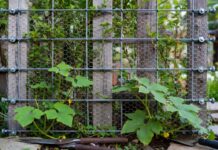
- Best Natural Option: Trellis with Climbing Plants
Why Build a DIY Outdoor Privacy Screen?
A privacy screen gives you more control over your outdoor space without the cost, permits, or commitment of a full fence. It is especially useful if you only need to block one view, such as a neighbor’s window, a street, a pool pump, trash bins, or an exposed patio.
A DIY screen is also easier to customize. You can build it tall or short, permanent or portable, modern or rustic, and you can match it to your patio, deck, or garden style.
- More affordable than fencing: You only build privacy where you actually need it.
- Great for small spaces: Perfect for patios, balconies, decks, and side yards.
- Customizable: Choose wood, metal, mesh, bamboo, lattice, or plants.
- Fast to install: Many DIY screens can be built in a weekend.
- Better outdoor comfort: Blocks unwanted views and creates a cozy outdoor room.
Best Materials for a DIY Outdoor Privacy Screen
The right material depends on your budget, climate, style, and how permanent you want the screen to be.
| Material | Best For | Pros | Cons |
|---|---|---|---|
| Wood Slats | Backyards, patios, decks | Affordable, customizable, warm look | Needs sealing or staining |
| Lattice | Garden spaces, plant screens | Lightweight, cheap, easy to install | Less privacy unless paired with vines |
| Metal Panels | Modern patios, windy areas | Durable, stylish, low maintenance | Higher upfront cost |
| Outdoor Fabric or Mesh | Budget privacy, fences, balconies | Cheap, fast, breathable | Less premium look |
| Bamboo | Tropical or natural look | Affordable, attractive, easy to attach | Can weather quickly outdoors |
Choosing the Right Wood for Your Screen
Not all lumber belongs outside. Using untreated indoor wood will result in rot and termite infestations within months. Here are your best options for outdoor screens:
-
- Cedar: The gold standard for outdoor DIY projects. It contains natural oils that resist rot and bugs. It is lightweight, stays incredibly straight, and takes stains beautifully. It is more expensive upfront, but pays off in longevity.
- Redwood: Similar to cedar in its natural weather resistance, redwood offers a gorgeous, rich tone. It is highly durable but can be costly depending on your region.
- Pressure-Treated Pine: The most budget-friendly option. It is chemically treated to resist rot and bugs. However, treated pine is notorious for warping, twisting, and “cupping” as it dries out in the sun. If you use it, you must secure it tightly and seal it well.
🛠️ The Ultimate DIY Tools & Materials Checklist
To build a standard 6-foot by 6-foot privacy screen, you will need the following gear:
- Two 4×4 pressure-treated posts (8 or 9 feet long)
- 1×2 or 1×3 cedar or treated pine wood slats (for the horizontal boards)
- Exterior-grade coated deck screws (2.5 inch) – Never use indoor drywall screws!
- Post hole digger or rented gas auger
- Fast-setting concrete mix (2-3 bags per post)
- Cordless drill or impact driver with extra bits
- 48-inch bubble level, tape measure, and string line
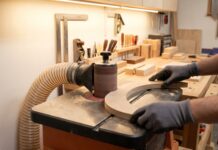
- Woodworking clamps (to hold boards while you screw them in)
- Exterior wood stain and UV sealer
If the wind will expose your privacy screen, avoid large solid panels. Slatted, lattice, mesh, and laser-cut designs allow air to pass through and are much safer in open areas.
How to Build a DIY Outdoor Privacy Screen
The wood slat privacy screen is one of the best DIY options because it is affordable, attractive, and strong enough for patios, decks, and backyards. Here is the basic step-by-step process.
Step 1: Choose the Location
Start by deciding exactly what you want to block. Do you need privacy from a neighbor’s window, a street, a side yard, or an exposed seating area?
Mark the screen location with stakes, tape, or chalk. Before installing anything permanent, sit in your patio chair and check the sightline. Many people build privacy screens that are too wide or too tall when they only need to block one specific view.
Step 2: Measure the Width and Height
Most outdoor privacy screens are between 4 and 6 feet tall. For patios and decks, 5 to 6 feet is usually enough to block seated eye level without making the space feel boxed in.
For small patios or balconies, a 3 to 4 foot screen may be enough if it is placed close to the seating area.
Step 3: Choose Your Posts
For a permanent screen, use pressure-treated 4×4 wood posts or metal fence posts. If you are building a freestanding privacy screen, use planter boxes, wide base feet, or heavy support legs to keep the screen stable.
For windy spaces, posts and anchoring matter more than the screen material itself. A beautiful screen will fail quickly if you attach it to weak supports.
Step 4: Install the Posts
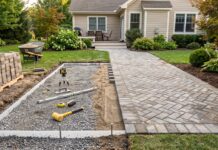
If installing in soil, dig post holes about 24 inches deep. Place each post in the hole, check that it is level, then pour quick-setting concrete around the base. Allow the concrete to cure according to the package instructions before attaching the screen material.
If installing on a deck or concrete patio, use proper post base brackets and exterior-rated hardware. Do not rely on small indoor brackets or basic screws for outdoor structural support.
Step 5: Attach Horizontal Slats or Panels
For a modern wood slat screen, attach horizontal boards across the posts with exterior screws. Leave a small gap between each board to allow airflow and reduce wind pressure.
A 1/2-inch to 1-inch gap usually provides a good balance between privacy and ventilation. If you want more coverage, use narrower gaps. If your area is windy, leave more space between boards.

Step 6: Sand and Finish the Screen
Sand rough edges, then apply an exterior stain, paint, or waterproof sealant. This step matters because outdoor wood is exposed to sun, rain, humidity, and temperature swings.
If you skip the finish, the screen may fade, crack, or warp much faster.
Step 7: Add Plants, Lighting, or Decor
Once the structure is complete, soften the look with outdoor string lights, climbing plants, hanging planters, or container shrubs. This makes the screen feel like part of the landscape instead of a plain barrier.
Cheap DIY Outdoor Privacy Screen Ideas
If you are working with a smaller budget, you do not need to build a full wood structure. These cheap privacy screen ideas can still make a big difference.
1. Bamboo Roll Screen
Bamboo screening is one of the fastest ways to create privacy. You can attach it to an existing fence, deck railing, balcony railing, or simple frame.
Best for: Renters, patios, balconies, and those seeking low-cost backyard privacy.
2. Outdoor Fabric Screen
Outdoor fabric can be attached to posts, pergolas, railings, or tension wires. Choose UV-resistant outdoor fabric so it does not fade or tear quickly.
Best for: Temporary privacy, shaded patios, and budget-friendly outdoor rooms.
3. Lattice Privacy Screen
Lattice panels are cheap, lightweight, and easy to install. On their own, they provide partial privacy, but when combined with climbing plants, they can become a dense green wall.
Best for: Gardens, side yards, and plant-based privacy.
4. Freestanding Planter Privacy Screen
Build or buy a long planter box, then attach a trellis, lattice panel, or slatted frame to the back. Fill the planter with tall grasses, bamboo, vines, or evergreen shrubs.
Best for: Renters, decks, patios, and people who cannot drill into walls or concrete.
5. Metal Privacy Screen Panels
Decorative metal panels cost more than wood or fabric, but they last longer and require less maintenance. They are a strong option for modern patios, especially if you want a clean architectural look.
If you prefer this style, see our full guide to the best metal privacy screens for outdoor spaces.
DIY Privacy Screen Ideas for Different Outdoor Spaces
For Patios
A patio privacy screen should feel like part of the outdoor living area. Wood slats, decorative metal panels, outdoor curtains, and planter screens all work well.
If the patio is exposed to wind, avoid large solid panels. Choose slats, mesh, or laser-cut panels that allow airflow.
For Decks
Deck screens need strong anchoring. Attach posts to structural framing whenever possible, not just thin surface boards. A horizontal slat screen works especially well because it looks modern and allows airflow.
For Balconies
Balcony screens should usually be renter-friendly and no-drill. Tension-mounted screens, mesh railing covers, faux ivy panels, and freestanding planters are safer choices than permanent structures.
For more renter-friendly options, read our guide to apartment balcony privacy solutions.
For Small Backyards
Small backyards benefit from vertical privacy because it does not take up much floor space. Use a narrow screen behind a seating area, around a hot tub, or along one side of a fence line.
How to Make a DIY Privacy Screen Wind-Resistant
Wind is one of the biggest reasons outdoor privacy screens fail. A solid screen acts like a sail, catching wind and transferring that force into the posts, screws, brackets, or railing.
To make your privacy screen safer in windy areas, follow these rules:
- Use breathable designs: Slats, lattice, mesh, and laser-cut panels perform better than solid panels.
- Anchor properly: Use concrete footings, post bases, lag bolts, or wedge anchors, depending on the surface.
- Avoid excessive height: Taller screens catch more wind and require stronger posts.
- Use exterior-rated hardware: Indoor screws and cheap brackets can corrode or fail outdoors.
- Check after storms: Tighten hardware and inspect for movement or leaning.
If wind is a major concern in your area, read our dedicated guide to privacy screens for windy areas.
Common Mistakes to Avoid
1. Building Too Tall
A taller screen is not always better. It may feel more private, but it also catches more wind and can make a small space feel closed in. For many patios, 5 to 6 feet is enough.
2. Using Untreated Wood
Untreated indoor wood will not last outdoors. Use pressure-treated lumber, cedar, redwood, or properly sealed exterior wood.
3. Ignoring Drainage
If posts sit in wet soil or planter boxes without drainage, they can rot quickly. Always allow water to drain away from wood supports.
4. Attaching to Weak Railings
Balcony and deck railings are not always designed to carry extra wind load. Avoid attaching heavy screens to weak or loose railings.
5. Forgetting Local Rules
Some neighborhoods, HOAs, and rental agreements limit fence height, balcony changes, or exterior modifications. Check the rules before building anything permanent.
Final Verdict: What Is the Best DIY Outdoor Privacy Screen?
For most homeowners, the best DIY outdoor privacy screen is a wood slat privacy screen. It is affordable, attractive, customizable, and strong enough for patios, decks, and backyard seating areas when properly anchored.
If you want the cheapest option, use bamboo, lattice, or outdoor mesh. If you want the lowest-maintenance option, consider metal privacy panels. If you are renting, choose a freestanding planter screen, balcony mesh, or tension-mounted privacy screen.
The right choice depends on your space, budget, and how permanent you want the solution to be.
📚 More Outdoor Privacy Guides
Planning a full backyard privacy upgrade? These guides can help:
Frequently Asked Questions
What is the cheapest way to build an outdoor privacy screen?
The cheapest options are bamboo rolls, lattice panels, outdoor fabric, or privacy mesh attached to an existing fence, railing, or simple wood frame.
How tall should an outdoor privacy screen be?
Most outdoor privacy screens are 4 to 6 feet tall. A 5 or 6 foot screen usually blocks seated eye level without making the area feel too enclosed.
Can I build a privacy screen without digging posts?
Yes. Use a freestanding planter screen, weighted base, tension-mounted screen, or portable folding screen if you would rather not dig holes or pour concrete.
What is the best wood for an outdoor privacy screen?
Cedar, redwood, and pressure-treated lumber are common choices because they handle outdoor conditions better than untreated indoor wood.
How do I keep a privacy screen from blowing over?
Use a breathable design such as slats, lattice, mesh, or laser-cut panels, and anchor the screen properly with posts, brackets, concrete footings, or structural bolts.