
















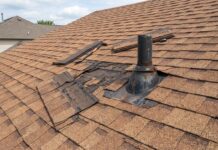

Learning the signs you need a new roof can help you act before an aging roof creates bigger problems for your home. Roofs do not usually fail all at once. They wear down gradually through years of sun exposure, wind, rain, snow, heat, humidity, freeze-thaw cycles, and storm stress.
Some roof issues may look minor from the ground, but widespread wear can signal that the roofing system is nearing the end of its useful life. When shingles, underlayment, flashing, ventilation, and decking begin to fail together, a complete roof replacement may make more sense than continuing to address one visible symptom at a time.
We will reveal the most important warning signs homeowners should watch for, how to inspect safely from the ground and attic, and when it may be time to consider a professional roof replacement evaluation.

Quick Answer: What Are the Biggest Signs You Need a New Roof?
The biggest signs you need a new roof include an aging roof near the end of its lifespan, widespread curling or cracked shingles, heavy granule loss, missing shingles across multiple areas, sagging roof sections, attic moisture, visible daylight through roof boards, repeated water stains, damaged flashing, and a roof that looks uneven or worn across large sections.
Need the Full Roof Replacement Checklist?
This article explains the warning signs. For the complete replacement overview, materials, installation steps, and homeowner checklist, read our professional roof replacement guide.
1. Your Roof Is Near the End of Its Lifespan
Roof age is one of the first clues. Even if your roof still looks acceptable from the street, roofing materials become less reliable as they age. Asphalt shingles lose flexibility, seal strips weaken, granules wear away, and underlayment can become brittle over time.
Many asphalt shingle roofs last around 20 to 25 years depending on climate, installation quality, ventilation, maintenance, and storm exposure. Some roofs fail sooner, while higher-quality systems may last longer.
If your roof is close to its expected lifespan, start watching more carefully for other signs of wear.
- Do you know when the roof was installed?
- Was it installed over an older layer?
- Has it been through hail, wind, hurricanes, or heavy storms?
- Does your attic have good ventilation?
- Are neighbors with similar homes replacing roofs?
If you do not know the roof age, check inspection reports, permit records, real estate paperwork, warranty documents, or old contractor invoices.
2. Shingles Are Curling at the Edges
Curling shingles are one of the easiest signs to spot from the ground. When shingles curl upward or cup in the center, they can no longer lie flat and shed water as designed.
Common causes include:
- Age-related drying
- Heat exposure
- Poor attic ventilation
- Improper installation
- Moisture trapped beneath the shingles
- Multiple roof layers
A few isolated curled shingles may not mean the entire roof is failing. But curling across multiple slopes is often a sign that the roof system is aging broadly.
3. Shingles Are Cracked, Brittle, or Breaking Apart
Cracked shingles are another warning sign. As shingles age, they become less flexible and more vulnerable to splitting. Wind, heat, impact, freeze-thaw cycles, and UV exposure can all contribute to cracking.
If cracks appear across many roof areas, the roof may be losing its ability to protect the home consistently.
Look for:
- Horizontal cracks
- Random surface cracks
- Broken shingle corners
- Pieces missing from tabs
- Exposed underlayment
- Shingle edges that look dry and brittle
Widespread cracking is usually more concerning than one damaged shingle.
4. You See Heavy Granule Loss
Asphalt shingles are coated with granules that protect them from sunlight and weather exposure. Over time, some granule loss is normal. Heavy granule loss, however, can mean the shingles are wearing out.
You may notice granules:
- In gutters
- At downspout exits
- On patios or sidewalks
- Near the foundation
- On the surface of lower roof sections
A roof with heavy granule loss may appear patchy, shiny, bald, or faded. Once shingles lose too many granules, they become more vulnerable to UV damage and faster deterioration.
Ground-Level Inspection Tip
You can often spot granule loss, curling shingles, and uneven roof areas from the ground with binoculars. Avoid climbing onto an aging or damaged roof.
5. Missing Shingles Are Showing Up in Multiple Areas
One missing shingle after a storm may be an isolated issue. But multiple missing shingles across different roof sections can suggest the roof system is weakening.
Missing shingles expose the layers beneath them to weather. If the roof is older, new replacement shingles may not match well, and surrounding shingles may also be brittle.
Widespread missing shingles may be connected to:
- Age
- Wind exposure
- Weak adhesive strips
- Poor installation
- Improper nailing
- Storm wear
- Brittle surrounding shingles
If missing shingles keep appearing, the roof may be signaling that replacement should be considered.
6. The Roof Looks Sagging, Wavy, or Uneven
A roof should have clean lines. If you notice sagging sections, dips, waves, or soft-looking areas, take it seriously. This may indicate problems beneath the shingles.
Possible causes include:
- Rotten decking
- Moisture damage
- Structural movement
- Poor attic ventilation
- Improper previous installation
- Excessive weight from multiple roof layers
A sagging roof is not just a cosmetic issue. It can mean the roof deck or framing needs professional evaluation.
Safety Warning
Do not walk on a sagging or visibly uneven roof. A weakened roof deck may not be safe. Inspect from the ground or attic and contact a qualified roofing professional for evaluation.
7. You Notice Water Stains in the Attic
The attic is one of the best places to look for hidden roof system problems. Water stains on rafters, decking, insulation, or framing may indicate moisture intrusion.
During daylight hours, inspect the attic safely if accessible. Look for:
- Brown stains on wood
- Damp insulation
- Dark streaks
- Musty odors
- Rust on nails
- Visible daylight through roof boards
- Mold-like discoloration
- Condensation patterns
Not every attic stain means the entire roof must be replaced. But widespread moisture signs on an older roof should not be ignored.
8. Daylight Is Visible Through the Roof Boards
If you see daylight coming through the roof boards from inside the attic, the roof system has openings where light can enter. In some cases, small pinpoints may be related to construction gaps, but visible light near problem areas should be evaluated carefully.
Daylight may appear around:
- Roof penetrations
- Ridge areas
- Damaged decking
- Old nail holes
- Gaps in roof boards
- Areas with missing or damaged shingles
If light can enter, water may also find a path under the right conditions. Combine this sign with roof age, staining, or exterior wear to judge how serious it may be.
9. Flashing Looks Rusted, Loose, or Damaged
Flashing protects vulnerable roof transitions. It is commonly installed around chimneys, skylights, walls, valleys, dormers, and roof penetrations.
Damaged flashing can let water reach areas shingles alone cannot protect.
Warning signs include:
- Rusted metal flashing
- Loose flashing edges
- Cracked sealant
- Gaps around chimneys
- Water stains near walls or ceilings
- Old tar patches around penetrations
If flashing problems appear on an otherwise old and worn roof, a full replacement may be the better time to update flashing properly.
10. Moss, Algae, or Dark Streaks Are Widespread
Moss and algae do not automatically mean you need a new roof. However, widespread biological growth can indicate moisture retention, shade, poor drainage, or aging materials.
Moss is especially concerning when it grows under shingle edges, holds moisture, and lifts shingles over time. Aggressive cleaning can also damage older shingles if done incorrectly.
If the roof is already old and showing other signs of wear, widespread moss or heavy staining may support the case for replacement planning.
11. Your Energy Bills or Attic Temperatures Are Getting Worse
A roof replacement is not only about shingles. Ventilation and attic performance matter too. Poor ventilation can trap heat and moisture, which may shorten roof life and affect indoor comfort.
Signs of poor attic performance may include:
- Very hot attic temperatures
- Moisture or condensation in the attic
- Uneven indoor comfort
- Ice dam problems in cold climates
- Premature shingle aging
- Musty attic odor
During a roof replacement, contractors can evaluate whether ventilation should be improved as part of the new roof system.
12. Your Roof Has Multiple Previous Patches
A roof with many patched areas may be reaching the point where individual fixes no longer make sense. Patches, mismatched shingles, tarred areas, reused flashing, and repeated problem spots can all suggest the roof system is aging unevenly.
When a roof has many visible attempts to address old issues, ask whether the underlying system is still reliable.
Replacement can provide a clean reset by removing old materials, inspecting the deck, installing fresh underlayment, updating flashing, and improving ventilation.
Signs You Need a New Roof vs Signs You Need a Small Fix
Not every roof issue means replacement. The difference is usually scale, roof age, and whether the problem is isolated or widespread.
| Situation | May Be Isolated | May Point Toward Replacement |
|---|---|---|
| Shingle Condition | One or two damaged shingles | Curling, cracking, or missing shingles across many areas |
| Roof Age | Relatively new roof | Near or past expected lifespan |
| Granules | Minor loss after installation or storms | Heavy granules in gutters and bald-looking shingles |
| Deck Shape | No visible sagging | Sagging, waves, dips, or soft-looking roof areas |
| Moisture Signs | Small localized stain | Repeated attic moisture, widespread stains, musty odor |
The more warning signs you see together, the stronger the case for a full roof replacement evaluation.
Seeing Several of These Warning Signs?
If your roof is older and showing multiple signs of deterioration, review the full replacement guide before deciding what to do next.
How to Inspect for Roof Replacement Warning Signs Safely
You do not need to climb onto the roof to spot many warning signs. In fact, walking on an old or damaged roof can be unsafe and may cause more damage.
Use safer inspection methods:
- Look from the ground with binoculars
- Check gutters and downspouts for granules
- Inspect attic areas during daylight
- Look for water stains on ceilings
- Check around chimneys and skylights from the ground
- Review roof age and installation records
- Compare your roof condition with nearby homes of similar age
If you see sagging, widespread wear, or attic moisture, avoid climbing the roof and have it evaluated professionally.
What to Do If You Think You Need a New Roof
If your roof shows several warning signs, start by gathering information rather than rushing into a decision.
- Confirm the roof age: Find records if possible.
- Document visible signs: Take photos from the ground and attic.
- Check the attic: Look for staining, moisture, or daylight.
- Review cost factors: Roof size, material, pitch, decking, and permits all matter.
- Learn the installation process: Understand tear-off, underlayment, flashing, ventilation, and cleanup.
- Compare detailed estimates: Make sure each proposal includes the same major components.
For planning numbers, start with our roof replacement cost guide. For the installation process, see our new roof installation guide.
Final Thoughts
The most important signs you need a new roof are usually not isolated. Roof age, widespread shingle wear, granule loss, sagging sections, attic moisture, damaged flashing, and repeated visible deterioration all matter more when they appear together.
If your roof is older and showing several warning signs, it may be time to think beyond small fixes and learn what a full replacement involves.
For a complete homeowner overview, including replacement signs, material options, and professional installation steps, read our professional roof replacement guide.
Related Roof Replacement Guides
Frequently Asked Questions About Signs You Need a New Roof
What are the most common signs you need a new roof?
The most common signs include roof age, curling shingles, cracked shingles, missing shingles across multiple areas, heavy granule loss, sagging roof sections, attic moisture, visible daylight through roof boards, and widespread roof wear.
Does one missing shingle mean I need a new roof?
Not necessarily. One missing shingle may be isolated. But multiple missing shingles across an older roof can suggest the roof system is weakening and should be evaluated more carefully.
Is granule loss a sign of roof replacement?
Heavy granule loss can be a sign that asphalt shingles are wearing out. If you see lots of granules in gutters and the roof looks bald or patchy, replacement planning may be appropriate.
Is a sagging roof serious?
Yes. A sagging roof may indicate moisture damage, weak decking, structural movement, or long-term roof system failure. Do not walk on a sagging roof.
Can attic stains mean I need a new roof?
Attic stains can indicate moisture intrusion, condensation, or roof system problems. If stains are widespread or paired with an aging roof, a replacement evaluation may be needed.
How old is too old for a roof?
Many asphalt shingle roofs last around 20 to 25 years, but climate, installation quality, ventilation, and storm exposure can shorten or extend that lifespan.
Can a roof look fine from the ground but still need replacement?
Yes. Some problems, such as underlayment failure, poor ventilation, decking damage, or attic moisture, may not be obvious from the ground.
Should I climb on my roof to inspect it?
No. Inspect from the ground with binoculars and check the attic if safe. Walking on an old, steep, wet, or damaged roof can be dangerous.
When does replacement make more sense than another small fix?
Replacement may make more sense when the roof is old and has widespread shingle deterioration, sagging, heavy granule loss, repeated moisture signs, or many previous patches.
What should I read next if I think I need a new roof?
Start with a full roof replacement guide, then review roof replacement cost and new roof installation steps so you understand the process before comparing estimates.