













Delicious Fall Vegetables
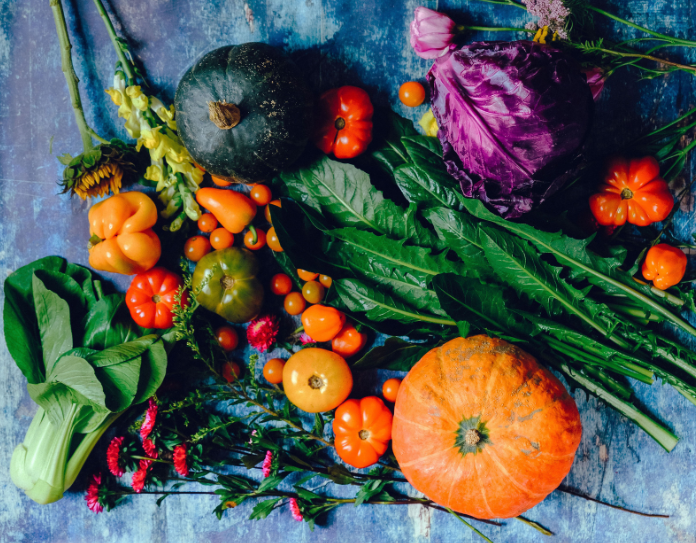
When summer’s heat gives way to crisp mornings and golden afternoons, the garden doesn’t have to close up shop. In fact, fall is when some of the most flavorful and nutritious vegetables reach their peak. If you’ve never tried growing or cooking with fall vegetables, you’re missing out on a season brimming with color, taste, and health benefits.
Why Plant Fall Vegetables?
Fall vegetables thrive in cooler temperatures. Unlike summer crops, these plants actually prefer the chill. Cooler weather means fewer pests and diseases, and the flavors, especially in root and cruciferous vegetables, often improve after a light frost. Plus, keeping your garden productive into autumn is a great way to maximize your harvest and keep fresh produce on your table longer.
What Grows Best in Fall?
Here’s a quick list of standout fall vegetables:
-
Broccoli and Brussels sprouts: These cruciferous stars get sweeter after a frost and are packed with vitamins C and K.
-
Carrots and beets: Root vegetables like these thrive in cool soil, developing rich flavors and vibrant colors.
-
Kale, spinach, and Swiss chard: Leafy greens regain their crispness and depth of flavor as temperatures drop.
-
Pumpkins and winter squash: These are the backbone of comforting fall soups and roasted dishes.
-
Potatoes and sweet potatoes: Both love the cool weather and store well for winter meals.
-
Radishes and turnips: Fast-growing and easy to tuck into small spaces, these roots add crunch and spice to salads and stews.
-
Alliums: Garlic, leeks, onions, and shallots add depth to any autumn recipe and are at their best in fall.
How to Get Started
-
Timing is key: Start seeds for many fall vegetables in late summer. For example, sow broccoli seeds in mid-summer or plant seedlings in late summer for a robust fall crop. Leafy greens like spinach and arugula can be sown about six weeks before your first expected frost.
-
Soil matters: Before planting, test your soil to ensure it has the right nutrients and pH (ideally between 6.2 and 6.8). Amend as needed to give your veggies the best start.
-
Harvest with care: Many fall vegetables, especially roots like parsnips and carrots, get sweeter after a light frost. Don’t rush to pull them- let nature work its magic.
Cooking with Fall Vegetables
Fall vegetables are versatile in the kitchen. Try roasting a medley of carrots, beets, and Brussels sprouts for a sweet, caramelized side dish. Toss kale or Swiss chard into soups and stews for a nutrient boost. Puree roasted squash or pumpkin for velvety soups, or slice radishes and turnips thin for salads with a peppery kick.
The Bottom Line
Fall isn’t the end of the gardening season, it’s a new beginning. With the right vegetables and a little planning, your garden (and your plate) can be just as vibrant and bountiful in autumn as it is in summer. So grab your gloves, dig in, and let fall’s flavors take center stage.
“Fall is a vegetable lover’s paradise, as this season offers an exceptional variety of fresh and flavorful produce. The harvest season is when vegetables shine their brightest, offering both culinary versatility and nutritional excellence.”