

















Whether you have just acquired your home or are finally considering taking on DIY repairs and maintenance to save money, having a comprehensive basic toolkit is incredibly beneficial. While professional contractors need specialized, expensive gear, the typical homeowner can tackle 90% of household maintenance with just a solid set of hand tools.
The golden rule of building your first toolkit is simple: Invest in high-quality tools because they will work better, prevent frustration, and last a lifetime. We have compiled the ultimate list of 16 essentials for every typical homeowner’s tool bag.
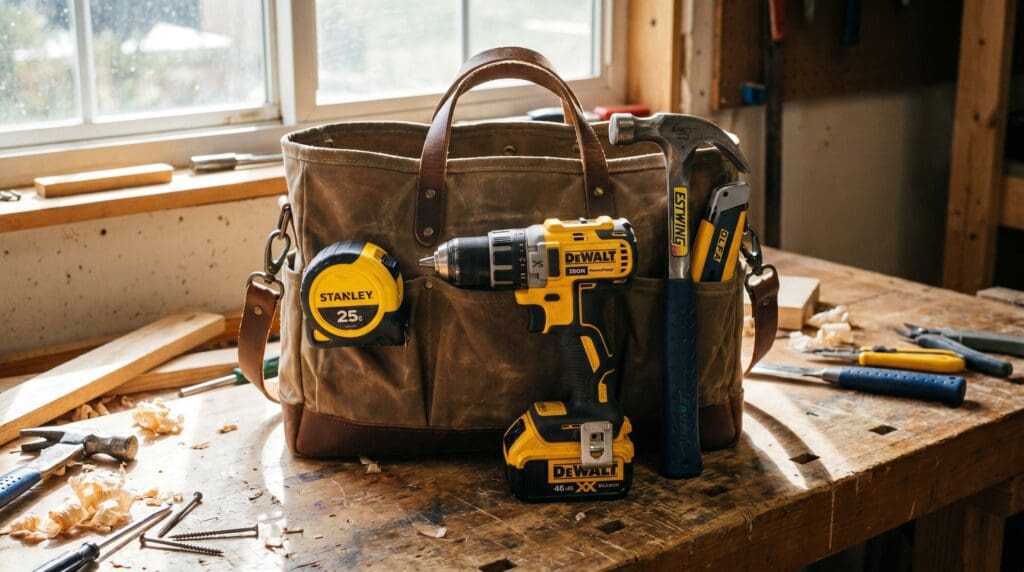
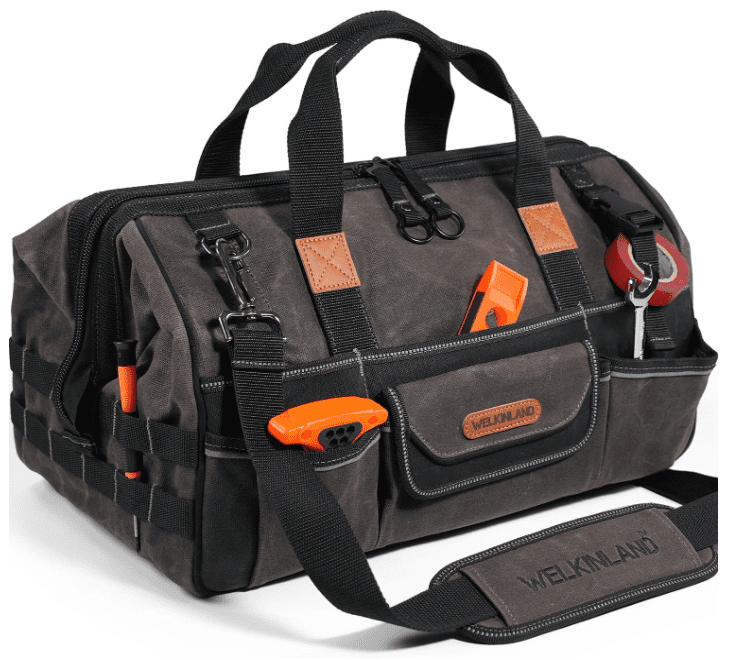
Experts heavily recommend a heavy-duty, portable canvas tool bag over a traditional rigid plastic or metal toolbox. A bag can expand to fit awkward tools, features interior and exterior pockets for quick access, and won’t scratch your hardwood floors when you drop it down to start a project.
What Should Be in Your Basic Toolkit?
1. The 16-Ounce Claw Hammer
A 16-ounce, rubber-grip claw hammer with a fiberglass frame is the most adaptable tool you can own. It absorbs shock better than solid steel, is comfortable in your palm, and the curved claw makes pulling out bent nails a breeze.

2. A Multi-Bit Screwdriver Set
No toolbox is complete without screwdrivers. Instead of buying 15 separate ones, get a high-quality multi-bit handle. You absolutely need a Philips (crosshead) tip and a flat-head, which can be used for everything from fixing electrical faceplates to removing paint can lids.

3. A 20V Cordless Drill
This battery-operated device can replace standard screwdrivers and save your wrists. It is far faster and more effective than manual turning, drastically reducing the time it takes to assemble IKEA furniture, hang shelves, or drill into wall studs.

4. Pliers (Locking & Needle-Nose)
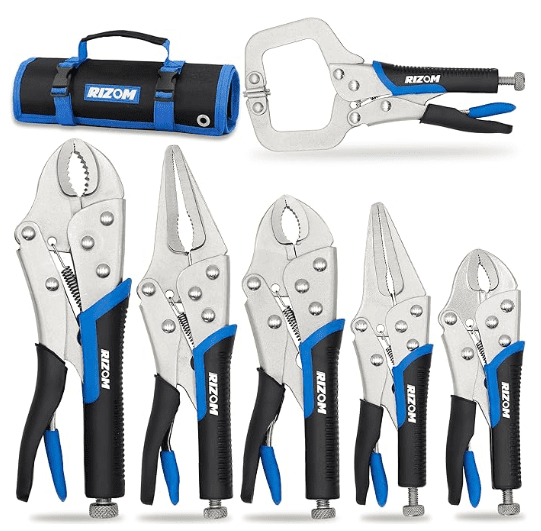
You need two types: locking pliers (vise grips) with adjustable jaws for tightly gripping stripped bolts and plumbing fittings, and needle-nose pliers for cutting and bending wire or reaching into awkward, narrow electrical boxes.
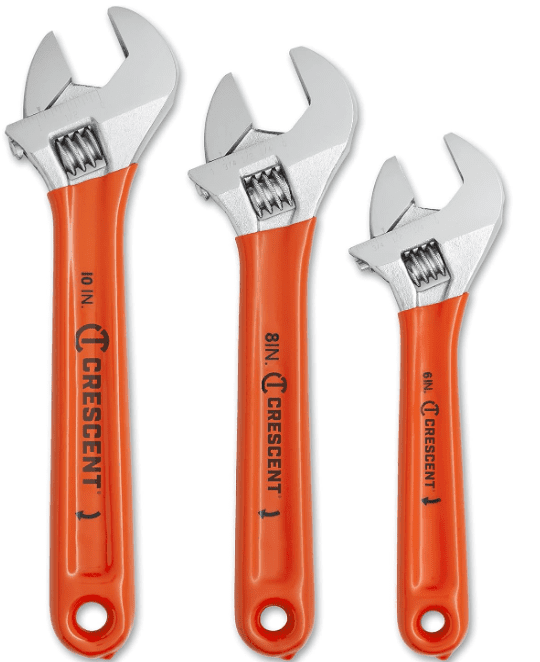
5. An Adjustable Crescent Wrench
Also known as a telescoping or adjustable wrench, this crescent-shaped tool is essential for tightening or loosening nuts and bolts of various sizes, especially for under-sink plumbing issues or outdoor furniture assembly.
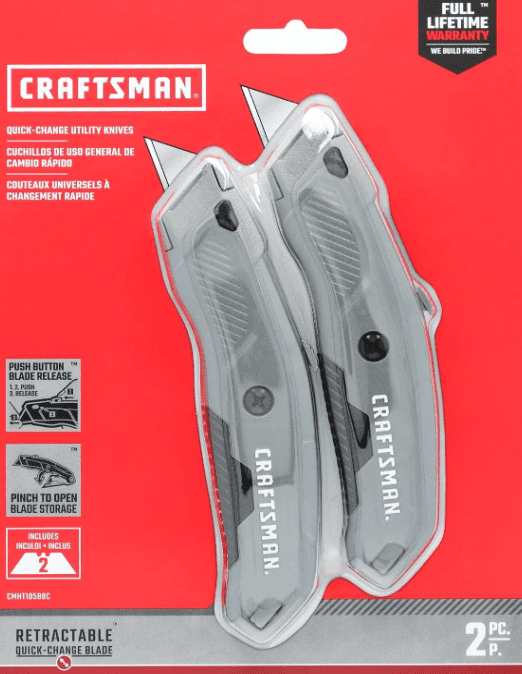
6. Retractable Utility Knife
Choose a utility knife that retracts and features integrated blade storage. The blade must retract so you won’t cut yourself when reaching inside your tool bag. It easily rips through drywall, breaks up old carpets, and safely slices open cardboard boxes.
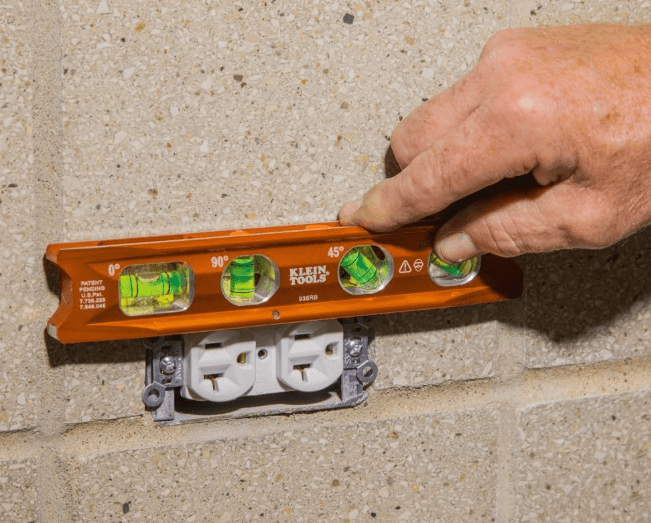
7. Torpedo Level
Experts advise purchasing a compact torpedo level (about 9 to 10 inches long). It is an absolute necessity for hanging wall art perfectly straight, leveling large appliances like washing machines to stop vibrations, and installing cabinet fixtures.
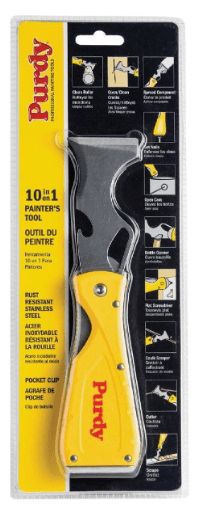
8. Multipurpose Painter’s Tool
Living up to its name, this versatile 5-in-1 tool serves as a putty knife for patching drywall, a paint scraper, a mini hammer, a nail puller, and a roller cleaner all at once. It saves a tremendous amount of space in your bag.
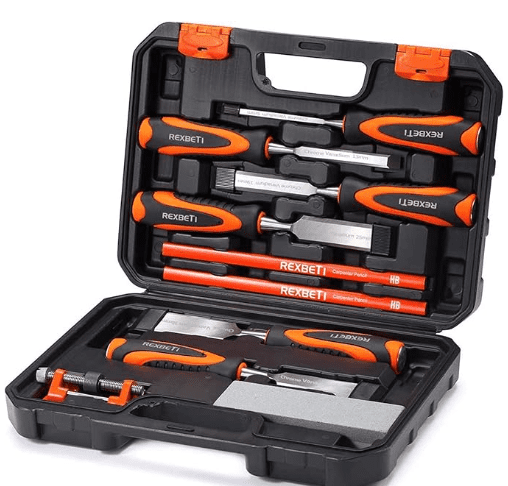
9. Wood & Masonry Chisels
A masonry chisel is required for rough tasks such as cracking bricks or removing broken bathroom tiles. A sharp wood chisel (1 to 2 inches wide) is vital for delicately trimming wood from doors to perfectly fit new hinges.
10. Scratch Awl
An awl is a simple, pointed steel spike with a handle. It is exactly what you need to puncture drywall, identify wooden wall studs, or mark precise pilot holes for your drill bit so it doesn’t wander across the surface.

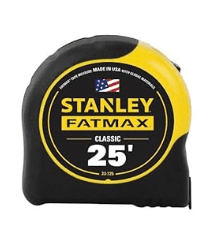
11. 25-Foot Tape Measure
This will come in handy more often than you imagine. Get one that locks automatically, extends up to 25 feet, and features a wide blade (at least 3/4 to 1-inch broad) so it stays rigid when measuring long distances alone.
12. WD-40 Lubricant
One of the many applications for this miracle spray is “unsticking” rusted metal parts, silencing squeaking door hinges instantly, displacing moisture, and even cleaning stubborn oil-based paint off your hands and tools.

13. Heavy-Duty Duct Tape
What could be disliked about duct tape? For domestic use, this incredibly strong, waterproof tape can reinforce cracked windows during a severe storm, temporarily stop a leak in a water hose, or hold glued pieces together.

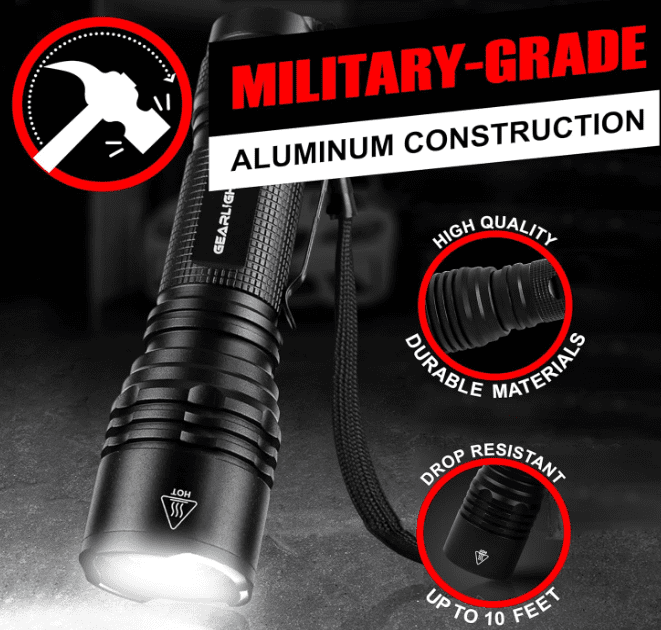
14. High-Lumen LED Flashlight
When you come upon a dark attic, a damp crawl space, or have to kill the power during an electrical repair, you will be happy to have this in your toolbox. Choose a bright, impact-resistant LED flashlight, as they have a very low battery drain.
15. Safety Gear (Gloves, Masks, Glasses)
Including safety tools in your box will prevent serious injuries. You need clear safety glasses and N95 dust-protection masks if you plan to sand drywall. Thick leather gloves are essential for moving sharp objects, working with masonry, or pulling weeds.

16. Canvas Toolkit Bag
Finally, you need something to hold it all. A portable, tough canvas tool bag can expand like a suitcase to accommodate additional items. Look for a bag with plenty of pockets and compartments on both the inside and the outside to keep screws and bits organized.
Frequently Asked Questions
Should I buy a pre-filled tool kit or build my own?
Pre-filled 100-piece kits sold at big-box stores are usually filled with low-quality, “filler” tools that you will never use. It is almost always better to buy a durable, empty canvas tool bag and fill it with these 16 high-quality, individual tools.
What is the difference between a drill and an impact driver?
A standard cordless drill spins smoothly and is meant for drilling holes and driving standard screws. An impact driver adds a rotational hammering action, making it much more powerful and designed specifically for driving massive lag bolts into dense wood.